
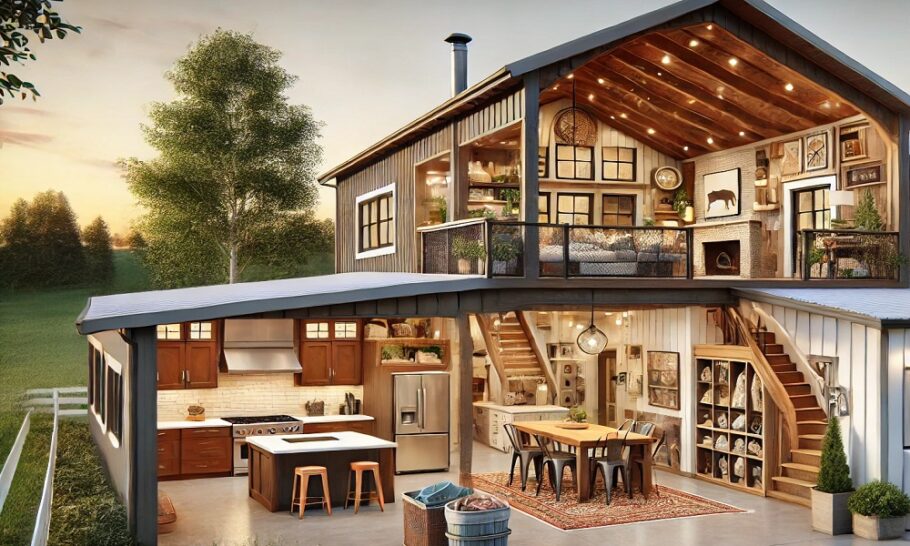
The barndominium boom shows no signs of slowing down. Across rural America and even into suburban fringes, these steel-framed hybrids offer open floor plans, lower construction costs per square foot, and that unmistakable modern farmhouse aesthetic. But ask anyone who has built or renovated a barndo about the single most debated expense, and the roof tops that list every time. Specifically, the standing seam metal roof.
Scrolling through online forums or chatting with contractors, a homeowner finds conflicting advice. Some say a standard metal roofing crew can handle standing seam just fine. Others insist that only a specialized crew—one that eats, sleeps, and breathes nothing but standing seam—should touch the project. And then comes the sticker shock. That specialized crew often charges thirty to fifty percent more than a general metal roofing outfit. On a typical barndominium with two thousand square feet of roof, that premium can run into the thousands of dollars.
So why do savvy builders and experienced barndo owners consistently recommend paying that premium? The answer lies in the unique engineering, the unforgiving nature of installation errors, and the long-term consequences of getting it wrong.
The Fundamental Misunderstanding About Standing Seam
Many people assume a standing seam roof is just another metal roof with prettier vertical ribs. That assumption proves expensive. Traditional exposed fastener panels—the classic barn roof with visible screws running down each rib—rely on those screws penetrating the metal. Every single screw represents a potential leak point. The rubber washers degrade under UV exposure, thermal cycling loosens the grip, and within ten or fifteen years, the roof starts weeping.
Standing seam systems operate on an entirely different principle. The seams lock together mechanically, either with snap-lock clips or with a double-lock seam that requires a specialized power seamer. No exposed fasteners pierce the weatherproof surface. The clips allow the entire panel to expand and contract with temperature changes without stressing the fasteners. That sounds simple, but the precision required borders on obsessive.
A barndominium amplifies every challenge. These structures typically run long and low, with wide roof planes and minimal hips or valleys compared to a Victorian house. That geometry creates massive thermal movement. A two-hundred-foot-long panel run can expand over an inch between a freezing winter morning and a blistering summer afternoon. If the attachment system fails to accommodate that movement, the panels buckle, the seams pop open, or the clips shear off. None of those outcomes make for a happy homeowner.
What General Roofing Crews Miss
The standard metal roofing crew out there does fine work on pole barns and agricultural buildings. They show up, unroll panels, drive screws through the flats or ribs, and move on to the next job. That approach works acceptably for a hay shed. For a barndominium where people live, sleep, and entertain guests, it creates a ticking time bomb.
Consider thermal expansion again. A general crew might install standing seam panels using the same clip spacing they use on a commercial warehouse—every two or three feet along the purlins. But barndominium purlins often space further apart because the structure uses heavier gauge steel. Without recalculating clip placement based on the specific panel length, gauge, and expected temperature range, the system fails prematurely. The specialized crew runs those calculations before the first panel leaves the ground.
Then there is the seaming itself. Snap-lock panels click together by hand, but getting a true weathertight seal requires the installer to apply consistent pressure along the entire seam. A hammer and block works in a pinch, but it leaves gaps. Water finds those gaps. Wind drives water upslope. The specialized crew carries electric or hydraulic seamers that compress the entire seam simultaneously to factory specifications. That machine costs north of ten thousand dollars. A general crew does not own one.
The hidden killer of standing seam roofs is what happens at the eaves, rakes, and ridge. Transitions kill metal roofs. Where the panel ends and the gutter begins, where the rake trim meets the panel edge, where the ridge cap overlaps the two slopes—every intersection demands custom bending, precise measurement, and an understanding of how water behaves under wind pressure. Specialized crews fabricate most of those flashing pieces on-site from coil stock. They bend a drip edge that matches the exact panel profile. They form ridge caps that overlap properly without crushing the panel’s standing seam. General crews order pre-bent trim from a supplier and hope it fits. It rarely does.
The Real Cost of a Leaky Standing Seam Roof
Here is where the premium starts looking cheap. A leak in a conventional roof soaks through the attic insulation, stains a ceiling, and ruins some drywall. Annoying and costly, but usually straightforward to locate and repair. A leak in a barndominium standing seam roof behaves differently. Water travels along the underlayment, around fasteners, and inside the insulation cavity for dozens of feet before it finally drips onto a finished ceiling. By the time a brown stain appears on that gorgeous reclaimed wood ceiling, the water has been migrating for months. Rot, mold, and rust have already taken hold behind finished surfaces.
Troubleshooting that leak means tearing into finished interiors. The barndominium’s open layout means no attic access in most places. The roof sheathing—if the barndo has any—is often OSB or plywood covered by synthetic underlayment. Once moisture gets between the underlayment and the substrate, the wood deteriorates rapidly. And because barndominiums use exposed interior steel framing in many designs, that moisture attacks the purlins and girts as well.
A specialized crew prevents this nightmare through obsessive attention to underlayment details. They lap the synthetic felt or self-adhered membrane correctly, use sealant tapes at every penetration, and install diverters at valleys to channel water away from seam terminations. They also understand that a standing seam roof is only as good as its attachments. Every clip gets torqued to spec. Every screw into the underlying structure countersinks properly without dimpling the panel.
Why the Premium Pays for Itself
That thirty to fifty percent premium covers more than just higher labor rates. It buys insurance, for one thing. Specialized standing seam contractors carry liability policies that specifically cover water intrusion claims. General roofers often exclude water damage from their standard policies, leaving the homeowner holding the bag when a leak destroys the interior.
The premium also buys manufacturer certifications. Most major standing seam panel manufacturers—Metl-Span, MBCI, Berridge, to name a few—will not warrant their panels unless a certified installer performs the work. That certification requires ongoing training, proof of proper equipment, and a track record of zero callbacks. The manufacturer knows that their excellent panel design fails when installed poorly, and they protect their reputation by limiting who can slap their label on a finished roof.
Consider the fastener and clip system as well. A specialized crew does not use off-the-shelf hardware from the big box store. They source clips specifically engineered for the panel profile and the local climate. In high-wind regions, those clips include anti-lift tabs. In heavy snow areas, the clips allow for deeper seam engagement. A general crew grabs whatever clip matches the panel width and calls it good.
The Installation Speed Paradox
Here is something that surprises many barndominium owners. A specialized crew often finishes the job faster than a general crew despite charging more per hour. How does that work? Efficiency. The specialized crew shows up with panel roll-formers on the job site, so they fabricate each panel to exact length as they go. No measuring, ordering, waiting for delivery, and discovering the panels are three inches too short. No waste. No trips back to the supplier for another bundle of material.
They also work in teams where every member knows their role. One person cuts and bends trim. Another handles the panel feed into the roll-former. Two more install clips and lay panels. The seam operator follows behind with the power seamer. General crews spend a lot of time figuring out what comes next, re-reading instructions, and fixing mistakes. That downtime costs money, and the homeowner pays for it either through a higher hourly rate or through a longer project timeline.
The specialized crew also avoids the hidden costs of weather delays. Standing seam requires dry conditions for proper sealant adhesion and safe walking on slick panels. A general crew might push through light rain or damp mornings, compromising the sealants and creating safety hazards. The specialized crew reads the forecast, builds weather holds into the schedule, and refuses to cut corners when conditions turn marginal. That discipline costs more in planning but saves thousands in future repairs.
What to Look For in a Specialized Crew
For anyone planning a barndominium standing seam roof, knowing how to identify the right crew matters as much as the decision to pay a premium. Look for crews that bring their own roll-forming equipment to the job site. That single sign separates amateurs from professionals. On-site roll forming means exact panel lengths, no shipping damage, and consistent seam alignment.
Ask about seaming equipment. The crew should own powered mechanical seamers, not just hand tools. Ask to see them. Ask when they were last calibrated. A crew that hesitates or gives vague answers about borrowing equipment from another job does not deserve the premium.
Request references from other barndominium projects, not just agricultural buildings. A barn and a home have different standards. Homeowners notice a drippy roof in the living room. Livestock do not complain about water dripping on hay bales. The specialized crew will have photos of finished barndos with complex roof geometries—porches, dormers, skylights, chimney penetrations. Every penetration represents a risk, and the specialized crew shows off their best work around those details.
Check manufacturer certifications directly. A contractor can claim certification without having it. A quick call to the panel manufacturer’s technical support line reveals whether that contractor appears in their certified installer database. Manufacturers have no incentive to lie about this. Their warranty depends on honest certification.
Finally, look at the contract. A specialized crew willing to stand behind their work offers a workmanship warranty separate from the material warranty. Five years is reasonable. Ten years shows confidence. Any crew unwilling to put a watertight guarantee in writing should raise immediate suspicion. The premium buys peace of mind, and that peace of mind needs to appear on paper.
The Bottom Line on the Premium
Barndominium construction attracts owners who appreciate value over bargain hunting. The entire concept blends the efficiency of agricultural building with the comfort of residential design. A standing seam metal roof fits that philosophy perfectly when installed correctly. When installed poorly, it becomes an expensive, leaky frustration that undermines everything great about the barndo lifestyle.
Paying a premium for a specialized crew means accepting that some things cannot be rushed, discounted, or compromised. The roof protects every other investment inside the barndominium. The flooring, the cabinetry, the insulation, the drywall, the electrical system—all of it depends on a roof that does not leak. A specialized crew understands that dependency. A general crew treats the roof like another job on the list.
The difference in cost, spread over the thirty or forty year lifespan of a proper standing seam roof, amounts to a few hundred dollars per year. That buys a lot of peace of mind. It buys manufacturer warranties that actually pay out when something fails. It buys the confidence to walk away from the project and never worry about a brown stain spreading across the ceiling during the first spring thunderstorm.
The barndominium deserves better than a discount roof. The premium paid for the specialized crew does not represent an unnecessary luxury. It represents the difference between a roof and a reliable roof. Between a building and a home. Between hoping for the best and knowing the job was done right.