
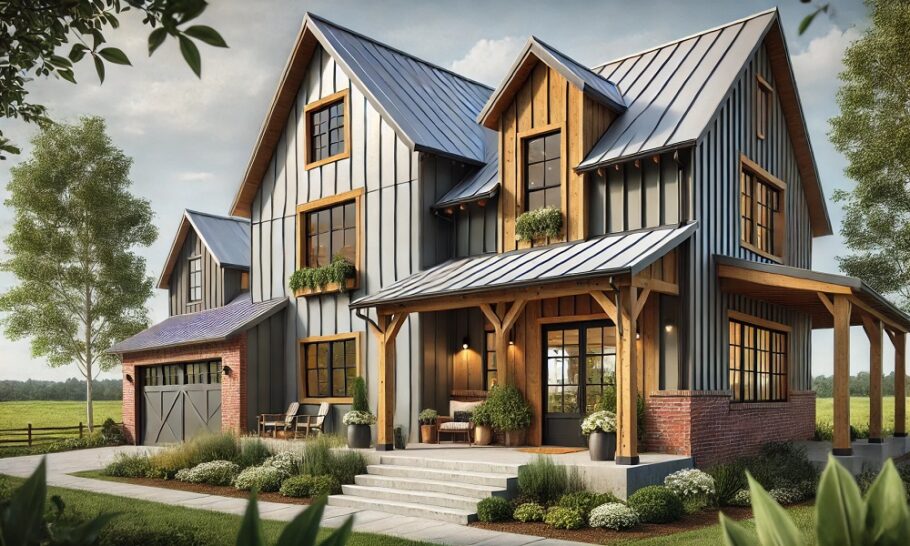
As extreme weather becomes more frequent and powerful, homeowners in coastal and tropical regions are rethinking how they design and build their homes. Traditional houses often struggle to withstand the intense forces of hurricanes, including high winds, flying debris, torrential rain, and storm surges. This is where the tropical hurricane-proof barndominium stands out as a modern, resilient housing solution that combines durability, practicality, and style.
A barndominium is a metal or steel-framed structure that blends the functionality of a barn with the comfort of a residential home. When engineered for tropical and hurricane-prone environments, it becomes one of the most reliable housing options available today. This article explores how hurricane-proof barndominiums are designed, what makes them so strong, and why they are becoming increasingly popular in storm-vulnerable regions.
Why Barndominiums Are Ideal for Hurricane Zones
Barndominiums naturally lend themselves to hurricane resistance because of their structural DNA. Unlike traditional wood-framed homes, barndominiums often use steel frames, metal wall systems, and heavy-duty roof assemblies. These materials do not rot, warp, or weaken as easily in high-moisture tropical climates.
The wide-span steel framing reduces the number of weak connection points and distributes wind loads more evenly throughout the structure. In a hurricane, wind pressure can create uplift forces that attempt to peel off roofs and collapse walls. A properly engineered barndominium can be designed to resist these forces through reinforced framing, structural bracing, and advanced roof anchoring systems.
In tropical regions where humidity, heat, and salt air are constant challenges, metal structures also offer superior longevity. With proper coatings and maintenance, a hurricane-proof barndominium can easily outlast conventional buildings while requiring fewer structural repairs over time.
Structural Design Features That Make a Barndominium Hurricane-Proof
The strength of a hurricane-proof barndominium lies in smart engineering. Every part of the structure is designed to create a continuous load path, meaning that wind forces are safely transferred from the roof to the walls and down to the foundation without causing failure.
One of the most important design elements is reinforced steel framing. Heavy-gauge steel columns and rafters are anchored deep into the foundation using high-strength bolts and embedded plates. These anchors ensure that the building remains firmly attached to the ground even under extreme wind uplift.
Diagonal bracing systems are also essential. These steel cross-braces prevent the frame from racking or twisting when subjected to lateral wind forces. In hurricane zones, additional bracing is often installed around large openings such as garage doors and picture windows to maintain structural integrity.
Roof design plays a critical role in hurricane resistance. Low-profile roof pitches, such as hip roofs, reduce wind pressure and prevent uplift. Metal roofing panels are fastened with closely spaced, self-sealing screws and reinforced with hurricane clips and straps. These clips tie the roof structure directly into the walls and foundation, forming a unified storm-resistant shell.
Wind-Resistant Roofing Systems for Tropical Barndominiums
The roof is often the first point of failure in traditional homes during hurricanes. A hurricane-proof barndominium uses specialized metal roofing systems designed to resist both wind uplift and water intrusion.
Standing seam metal roofs are a popular choice. These panels interlock tightly and create a continuous waterproof barrier. Unlike shingles, which can be torn away individually, standing seam systems behave as a cohesive unit under high wind pressures.
Additional features such as sealed ridge vents, reinforced roof edges, and impact-resistant underlayment add extra protection. The roof decking is typically attached with ring-shank nails or screws that provide superior pull-out strength compared to standard fasteners.
Proper roof ventilation is also important in tropical climates. Well-designed ventilation reduces internal pressure buildup, which helps prevent the roof from being lifted off during a hurricane.
Storm-Resistant Windows and Doors
Windows and doors are among the most vulnerable points in any structure during a hurricane. A truly hurricane-proof barndominium integrates impact-rated windows and reinforced door systems to maintain the building envelope even in extreme storms.
Impact-resistant windows are made with laminated glass that can withstand flying debris without shattering. If the glass cracks, it remains bonded to the inner layer, preventing dangerous openings that allow wind and rain to enter.
For doors, heavy-duty steel or fiberglass systems are recommended, along with multi-point locking hardware. Large openings, such as sliding patio doors or garage doors, are reinforced with additional framing and wind-rated panels designed to resist pressure changes.
Elevated Foundations and Flood Protection
In tropical hurricane zones, flooding is just as dangerous as high winds. Storm surge and heavy rainfall can cause rapid water level rises that damage lower levels of a home. Hurricane-proof barndominiums often feature elevated foundation systems that keep living spaces safely above flood levels.
Raised concrete slab foundations or pier-and-beam systems allow water to flow beneath the structure without compromising its integrity. In flood-prone areas, breakaway wall panels may be installed around the lower perimeter. These panels are designed to release under extreme water pressure, protecting the main structural frame from catastrophic damage.
Waterproofing membranes, sealed expansion joints, and corrosion-resistant reinforcement steel help maintain the foundation’s strength even with prolonged exposure to moisture and saltwater.
Tropical Climate Materials and Finishes
Salt air, high humidity, and extreme heat can quickly degrade standard building materials. Hurricane-proof barndominiums use tropical-grade finishes and protective coatings to withstand these harsh conditions.
Galvanized and powder-coated steel components resist corrosion. Exterior wall panels are often finished with specialized marine-grade paints that protect against UV radiation and salt exposure. Fasteners and connectors are made from stainless steel or hot-dipped galvanized metal to prevent rust.
Inside the home, moisture-resistant materials such as treated wood, composite cabinetry, ceramic tiles, and mold-resistant drywall are used to maintain indoor air quality and long-term durability.
Energy Efficiency and Comfort in Tropical Storm Zones
A hurricane-proof barndominium is not only strong but also designed to be comfortable and energy-efficient in hot, humid climates. Proper insulation helps regulate indoor temperatures while reducing energy costs.
Closed-cell spray foam insulation is often used in walls and roofing assemblies. This type of insulation adds structural strength, creates an airtight seal, and resists water absorption. Reflective roof coatings help deflect solar heat, keeping interior spaces cooler during long tropical summers.
High-efficiency HVAC systems with humidity control ensure that the indoor environment remains comfortable even during storm seasons. Backup generators and battery storage systems are commonly integrated to provide power during extended outages after hurricanes.
Interior Layouts Designed for Hurricane Safety
Interior design in a hurricane-proof barndominium goes beyond aesthetics. Safe rooms or reinforced interior shelters are often incorporated into the floor plan. These rooms are designed with extra-thick walls, steel-reinforced doors, and secure anchoring to provide a safe space during the most intense parts of a storm.
Open-concept layouts are carefully engineered so that load-bearing elements remain unobstructed. Storage areas are designed with built-in tie-downs to prevent heavy items from becoming dangerous projectiles during high winds.
Electrical and plumbing systems are elevated and protected to minimize damage from potential flooding. Floor drains and water-resistant finishes help make post-storm cleanup faster and less expensive.
Cost and Long-Term Value of a Hurricane-Proof Barndominium
While a hurricane-proof barndominium may cost more upfront than a traditional home, the long-term financial benefits are substantial. Reduced repair costs after storms, lower insurance premiums in some regions, and increased property durability make it a smart investment.
Steel structures require less maintenance than wood-framed buildings, and their resistance to pests, mold, and rot significantly extends their lifespan. For homeowners in tropical regions, this added resilience provides peace of mind and long-term financial security.
The Future of Hurricane-Resilient Tropical Living
As climate change continues to increase the intensity of tropical storms, the demand for hurricane-resistant housing will only grow. The barndominium, when properly designed and engineered, represents the future of resilient home construction in vulnerable regions.
By combining steel-frame strength, advanced roofing systems, flood-resistant foundations, and tropical-grade materials, hurricane-proof barndominiums offer a level of safety and durability that traditional homes often cannot achieve. They also provide the flexibility to customize layouts, aesthetics, and sustainability features without sacrificing structural performance.
For anyone building in a hurricane-prone tropical area, a hurricane-proof barndominium is not just a smart choice, but a powerful statement of preparedness and resilience.
Final Thoughts
The tropical hurricane-proof barndominium is more than just a trend; it is a response to the realities of modern climate challenges. It represents strength, smart engineering, and thoughtful design that prioritizes safety, durability, and comfort.
By investing in hurricane-rated materials, reinforced structural systems, elevated foundations, and energy-efficient features, homeowners can create a structure that stands strong against nature’s most powerful storms, while still enjoying the beauty and freedom of tropical living.
If you’re planning to build in a hurricane-prone area, the hurricane-proof barndominium may be the safest and most future-ready home you can choose.