
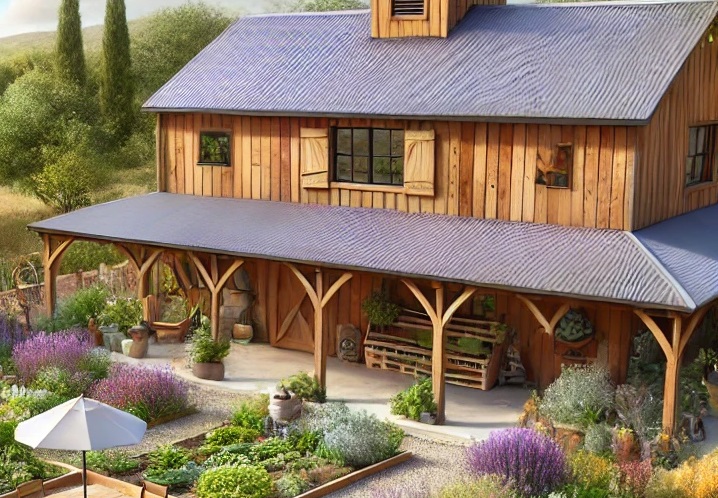
Building a barndominium represents a significant financial commitment, and lumber typically accounts for a substantial portion of the total material costs. The volatility of lumber prices over recent years has caught many builders off guard, turning what should be an exciting project into a financial rollercoaster. Understanding when and how to purchase lumber for a barndominium can mean the difference between staying on budget and watching costs spiral out of control.
The Seasonal Rhythms of Lumber Pricing
Lumber prices follow predictable seasonal patterns that savvy builders can leverage. Late winter and early spring typically see prices climb as construction activity awakens from its winter slumber. Contractors begin placing massive orders for upcoming spring projects, and mills ramp up production to meet demand. This surge in activity pushes prices upward through April and May.
The summer months often bring a different story. As building activity peaks, prices tend to stabilize or even dip slightly as production catches up with demand. Mill capacity operates at full steam, and the initial spring rush subsides. Late summer into early fall frequently presents the most favorable pricing window for lumber purchases. Mills are running at full capacity to meet spring orders that have already been fulfilled, and demand begins its gradual decline as contractors eye the approaching winter.
Winter brings its own dynamics. While prices can drop as construction slows in colder climates, weather-related transportation issues and mill slowdowns can create supply constraints that push prices back up. The key takeaway: target late summer through early fall for the most competitive pricing on dimensional lumber and plywood.
Market Cycles Beyond the Calendar
Seasonal patterns tell only part of the story. Broader market cycles exert far more influence over lumber prices than many builders realize. Housing starts serve as the primary driver of lumber demand, and these numbers fluctuate based on interest rates, employment figures, and consumer confidence.
When the Federal Reserve signals rate cuts, housing activity typically follows with a delay of three to six months. Building during or immediately after these signals creates a double-edged sword—lower financing costs but higher lumber prices as demand surges. Conversely, periods of rising interest rates dampen housing activity and put downward pressure on lumber prices, creating opportunities for those who can wait.
The pandemic years demonstrated how supply chain disruptions can decouple lumber prices from normal market fundamentals. Mills closed, transportation ground to a halt, and prices skyrocketed beyond anything the industry had seen. These events highlighted the importance of supply chain visibility and the value of maintaining flexibility in timing.
Reading the Supply Chain Tea Leaves
Lumber futures contracts on the Chicago Mercantile Exchange provide perhaps the most reliable forward-looking indicator for pricing. These contracts trade on expectations of future supply and demand, and monitoring them offers insight into where prices are heading.
When futures prices consistently trade above current spot prices, the market expects prices to rise. This contango situation suggests buying sooner rather than later. Conversely, when futures trade below spot prices in a backwardated market, waiting may be beneficial.
Railcar availability, trucking capacity, and sawmill operating rates provide additional intelligence. Tight transportation capacity signals potential price increases as shipping costs get passed through to buyers. Mill curtailments announced during spring or summer often indicate upcoming price strength.
The Barndominium Frame Purchase Window
The unique requirements of barndominium construction create specific timing considerations. These structures typically require larger quantities of heavy timber, engineered lumber, and specialty fasteners compared to conventional homes. Purchasing these materials when prices are favorable requires advance planning.
Steel and lumber prices often move inversely, providing a hedge opportunity. When lumber spikes, steel becomes relatively more attractive, and vice versa. Monitoring both markets allows builders to shift specifications if pricing becomes severely imbalanced.
The framing package represents the single largest lumber purchase. Locking in pricing for this package through a supplier who offers price protection provides critical cost certainty. Many lumber yards offer 30-day price locks, and some larger suppliers provide 60-day windows for significant orders.
The Waiting Game and Its Risks
Waiting for the perfect pricing moment carries its own risks. While timing can yield savings of 20% or more compared to peak pricing, attempting to time the absolute bottom of the market often proves counterproductive. Professional commodity traders miss the bottom more often than they hit it, and builders face the same challenge.
The cost of waiting extends beyond the lumber itself. Construction financing often carries deadlines, subcontractors book months in advance, and building seasons in many regions impose hard deadlines. Missing a pricing window to save $1,000 on lumber could cost $10,000 in delayed project completion.
Regional Factors That Override National Trends
National lumber price discussions often obscure significant regional variations. Pacific Northwest mills serve local markets differently than Southern Yellow Pine producers, and transportation costs create meaningful price differentials across the country.
Builders in areas with active timber harvesting operations often benefit from lower prices due to reduced transportation costs. Conversely, regions dependent on long-haul trucking or rail transport see prices that reflect these additional logistics costs. Understanding local market dynamics and building relationships with regional suppliers often yields better pricing than chasing national averages.
Practical Buying Strategies for Barndominium Builders
Purchasing incrementally rather than all at once provides some insulation against price spikes. Buying the framing package when prices are favorable, then purchasing finishing lumber, trim, and other materials as prices allow reduces exposure to market volatility.
Hedging through fixed-price contracts with suppliers offers protection against price increases while allowing participation in decreases if the contract includes favorable provisions. These arrangements work best with established relationships and clear specifications.
Bulk purchasing of dimension lumber during price troughs, even if the build is months away, makes sense for larger projects. Storing lumber properly requires attention to moisture content, flat storage, and protection from the elements, but the savings can justify the effort and space requirements.
The Role of Technology in Price Monitoring
Digital platforms now provide real-time lumber pricing information that was unavailable just a few years ago. Price tracking tools and market analysis services offer alerts when prices hit predetermined thresholds. These tools remove the emotional component from purchasing decisions and provide objective data for timing choices.
However, technology cannot replace the value of direct communication with suppliers. The best deals often emerge through conversations rather than screens. Suppliers with excess inventory may offer discounts to move material, and these opportunities rarely appear in published price lists.
Common Mistakes to Avoid
Chasing the absolute lowest price often leads to buying from unfamiliar suppliers with questionable quality control. Lower-grade lumber, wet material, or products with excessive knots and warps ultimately cost more in labor and waste than the savings justify.
Ignoring the cost of carrying inventory represents another frequent oversight. Storage costs, potential damage, and the capital tied up in material sitting for months all factor into the true cost of early purchases.
Failing to coordinate with the construction schedule creates the most expensive mistake. Buying lumber and having it delivered before the site is ready results in double handling, potential damage, and storage costs that quickly erode any pricing advantage.
Final Thoughts on Timing the Lumber Market
Perfect timing in lumber purchasing resembles perfect timing in any commodity market—elusive and often dependent on factors beyond any individual’s control. The most successful approach combines market awareness, supplier relationships, and a realistic assessment of project constraints and risk tolerance.
Understanding the seasonal patterns, monitoring futures markets, and building flexibility into the construction timeline provides the best foundation for making smart purchasing decisions. Accepting that some price volatility is unavoidable allows builders to focus on the bigger picture: completing a quality barndominium that provides lasting value.
The best time to buy lumber for a barndominium ultimately comes down to a specific project’s timeline, budget, and risk profile. Building relationships with knowledgeable suppliers, staying informed about market conditions, and making decisions based on data rather than emotion creates the greatest opportunity for cost-effective material purchasing.