
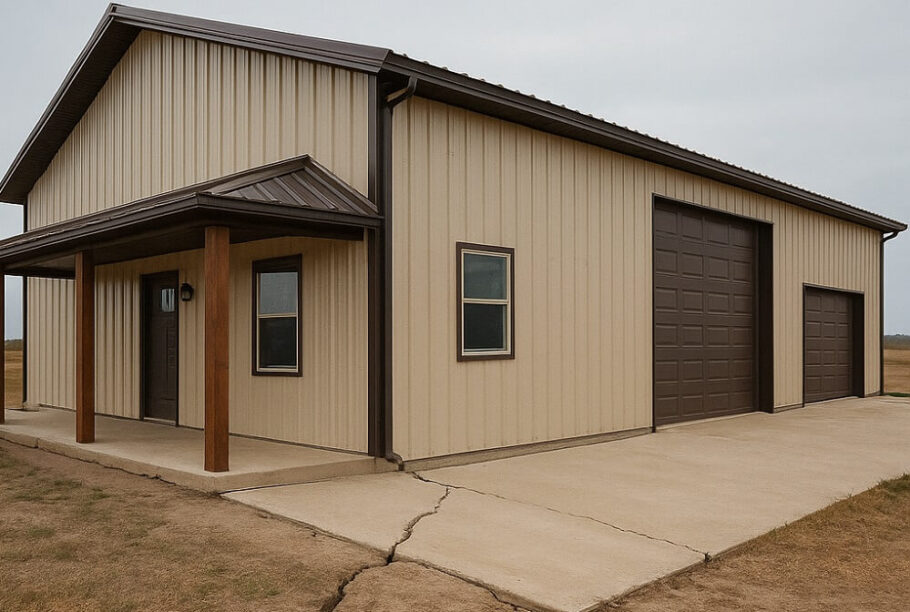
The barndominium has captured the imagination of modern homeowners, offering a perfect blend of rustic charm and contemporary living. The appeal is undeniable—vast open spaces, soaring ceilings, and the freedom to design a home that truly reflects personal taste. Yet, for all the excitement of this architectural trend, there lurks a universal truth that every builder knows and every owner eventually discovers: the final 10% of finishing a barndominium consumes 90% of the total project time.
This isn’t an exaggeration or a pessimistic builder’s lament. It’s a fundamental reality of construction that becomes amplified in the unique environment of a barndominium. Understanding why this phenomenon occurs can save considerable frustration and help set realistic expectations from the very beginning.
The Illusion of the Shell
The initial phase of barndominium construction moves with deceptive speed. The foundation is poured, the steel frame goes up, and the roof takes shape in what feels like record time. Within weeks, what was once an empty plot transforms into a recognizable structure—a genuine building with walls, a roof, and the promise of a future home.
This rapid progress creates an illusion that the project is nearly complete. After all, the building exists. It stands tall and impressive, visible to passing neighbors and curious onlookers. Many owners make the mistake of believing they’ll be moving in within a month or two at this stage.
The reality couldn’t be further from the truth. The exterior shell represents perhaps 30% of the total work, yet it consumes less than 10% of the project timeline. The remaining 70% of the work—the finishing, the details, the systems—eats up the other 90% of time. This fundamental disconnect between visible progress and actual completion lies at the heart of the “final 10%” phenomenon.
The Complexity of Customization
Barndominiums attract individuals seeking something beyond the ordinary. These aren’t tract homes with predetermined floor plans and builder-grade finishes. Every barndominium is a reflection of its owner’s vision, which means nearly every element requires custom attention.
Standard homes benefit from decades of optimization. Builders know exactly where electrical outlets should go, how plumbing runs through the walls, and what materials work best for specific applications. Barndominiums, by their very nature, defy these established patterns. The open floor plans require creative solutions for structural support. The massive spaces demand innovative approaches to heating and cooling. The metal construction introduces challenges that traditional builders never face.
Customization extends to every surface and fixture. The selection of flooring materials might involve multiple showrooms and weeks of deliberation. The kitchen design requires countless decisions about cabinet styles, countertop materials, and appliance configurations. Each choice triggers its own chain of ordering, delivery, and installation, with delays compounding along the way.
The Scheduling Nightmare
Coordination becomes exponentially more difficult as the project approaches completion. The rough-in phase involves relatively few trades working in sequence. The finishing phase demands dozens of specialized contractors working in carefully orchestrated harmony.
Electricians need to install light fixtures, but only after ceiling finishes are complete. Plumbers must set fixtures, but only after tile work is finished. Flooring installers need the space empty and clean, but painters still need access. This dance of dependencies creates a scheduling puzzle that would challenge even the most experienced project manager.
Each trade brings its own delays and complications. A cabinet maker falls behind schedule, pushing back countertop templating. Countertop delays push back sink installation. Sink delays push back plumbing trim-out. A single domino can topple the entire carefully constructed timeline, and these dominoes fall with alarming regularity.
The Waiting Game
Nothing tests patience quite like waiting for custom components to arrive. Every barndominium features specialty items with lead times measured in weeks or months rather than days. Custom windows, unique lighting fixtures, specialty hardware, and one-of-a-kind architectural elements all require significant waiting periods.
These waiting periods rarely align neatly with the construction schedule. Order a custom front door with a twelve-week lead time, and twelve weeks become fourteen or sixteen. Order custom railings for the mezzanine, and production delays push delivery back another month. Each delayed component holds up multiple subsequent trades, creating a cascading effect that stretches the timeline dramatically.
The waiting game extends beyond physical items. Building inspectors must sign off on each phase before work can continue. Weather delays, though less impactful once the shell is complete, can still disrupt exterior finishing work. Even something as simple as scheduling a final inspection can introduce weeks of delay during busy seasons.
The Hidden Systems
The most time-consuming aspects of finishing a barndominium are also the least visible. The systems that make the building livable—electrical, plumbing, HVAC, and insulation—require immense attention to detail during the final phases.
Electrical work in a barndominium presents unique challenges. The open spaces mean fewer walls to conceal wiring, forcing creative solutions for running power where needed. The metal structure requires special grounding considerations and careful routing to avoid interference. Each outlet, each switch, each light fixture demands precise positioning and proper connections.
Plumbing systems in these structures often require complex designs to handle the demands of modern living across expansive floor plans. Water heaters must be sized appropriately, pipes must be routed efficiently, and drainage must be carefully engineered to prevent issues down the line. The pressure testing, inspection, and final trim-out phases consume significant time that owners rarely anticipate.
HVAC systems face perhaps the greatest challenges. Heating and cooling vast open spaces requires sophisticated engineering that goes far beyond standard residential systems. Zoning, air distribution, and equipment selection all demand careful consideration. The installation and commissioning of these systems represents weeks of work that occurs after the structure appears essentially complete.
The Art of Finishing
The final stages of any construction project shift from building to crafting. This transition from rough construction to fine finishing represents the most time-consuming phase of all.
Drywall finishing epitomizes this shift. Hanging drywall happens relatively quickly; the true time consumption comes in the endless cycles of mudding, sanding, and re-mudding. Each square foot of drywall requires multiple passes to achieve the smooth surfaces expected in a finished home. The massive spaces of a barndominium mean exponentially more surface area requiring this painstaking attention.
Trim carpentry introduces another dimension of time consumption. Baseboards, crown molding, window casings, and door trim all demand precise cutting and fitting. Each piece must be measured, cut, fitted, adjusted, and installed with care. The result rewards the investment of time, but the process itself moves at a frustratingly slow pace.
Painting represents perhaps the ultimate test of patience. The sheer square footage of wall and ceiling space in a barndominium requires countless hours of preparation, priming, and painting. Each coat must dry completely before the next can be applied. Touch-ups and final corrections extend the process further.
The Psychological Factor
Beyond the practical challenges, the “final 10%” phenomenon carries a significant psychological weight. The building looks complete from the outside; the interior has walls and floors; yet the project continues to consume time, money, and emotional energy without apparent progress.
This disconnect between appearance and reality creates frustration that can sour the entire building experience. Family members question why they can’t move in yet. Friends wonder what’s taking so long. Even the owners themselves begin to doubt the timeline, wondering if something has gone terribly wrong.
The exhaustion of the building process compounds this frustration. By the time the finishing phase arrives, energy reserves are depleted and budgets are stretched thin. Each new delay feels like a personal setback. Each additional expense seems like a betrayal of the original vision.
The Quality Difference
In the rush to finish, it’s tempting to cut corners—to accept “good enough” rather than “exactly right.” Those who resist this temptation understand the fundamental truth of the barndominium experience: the final 10% makes all the difference.
The quality of finish work transforms a building into a home. Crisp trim lines, smooth walls, properly aligned fixtures, and thoughtful detailing separate the extraordinary from the merely adequate. Achieving this level of quality requires time, patience, and an unwavering commitment to excellence.
Builders who rush through finishing work leave a legacy of problems that will haunt owners for years. Poorly installed trim separates from walls. Uneven drywall seams become visible in certain light. Improperly sealed fixtures allow air and moisture infiltration. The time saved during construction becomes time lost to repairs and corrections.
Embracing the Timeline
Acceptance of the “final 10%” reality begins with understanding. This isn’t a flaw in the barndominium concept or evidence of poor planning. It’s the natural consequence of building something unique, something that doesn’t fit the mold of standard construction.
Successful barndominium owners approach the finishing phase with patience and perspective. They recognize that the time invested now pays dividends in comfort and satisfaction for years to come. They celebrate small victories—the installation of a favorite light fixture, the completion of a custom bookshelf, the final coat of paint in the master bedroom.
The finishing phase also offers opportunities that earlier stages lack. This is when the building becomes personal, when the owner’s vision truly materializes. Each completed element brings the dream closer to reality, even if the calendar seems to move in slow motion.
The Light at the End
Despite the challenges, the finishing phase eventually concludes. The final walkthrough happens. The certificate of occupancy is issued. The keys change hands, and the barndominium becomes a home.
Those who endure the “final 10%” with grace discover something valuable about themselves and about the building process. They learn that the best things in life rarely come quickly. They develop an appreciation for craftsmanship that mass-produced homes can never match. They forge relationships with builders and tradespeople that transcend ordinary homeowner-contractor interactions.
The barndominium that emerges from this process stands as a testament to patience and perseverance. Every surface reflects the care invested in its creation. Every system functions exactly as intended. Every detail speaks to the commitment to quality that defined the entire project.
A New Understanding
The construction industry has long known the truth of the “final 10%” rule, but barndominium builders and owners experience it with particular intensity. The unique demands of these structures—their scale, their customization, their departure from traditional building methods—magnify every challenge that finishing work presents.
Understanding this dynamic transforms the building experience. Instead of frustration with seemingly endless delays, owners can appreciate the complexity of what they’re creating. Instead of panic about budget overruns, they can recognize the value of quality finishing work. Instead of impatience with the timeline, they can savor the process of bringing their vision to life.
The final 10% may take 90% of the time, but it also delivers 90% of the satisfaction. The shell of a barndominium impresses passersby, but the finished interior creates a home. That transformation—from structure to dwelling, from building to sanctuary—requires the patience, skill, and dedication that only the finishing phase can provide.
In the end, the time invested in finishing a barndominium isn’t time lost. It’s time spent creating something remarkable. It’s the difference between a building and a home. And for those who understand this truth, the journey through the final 10% becomes not a trial to endure but a privilege to experience.