
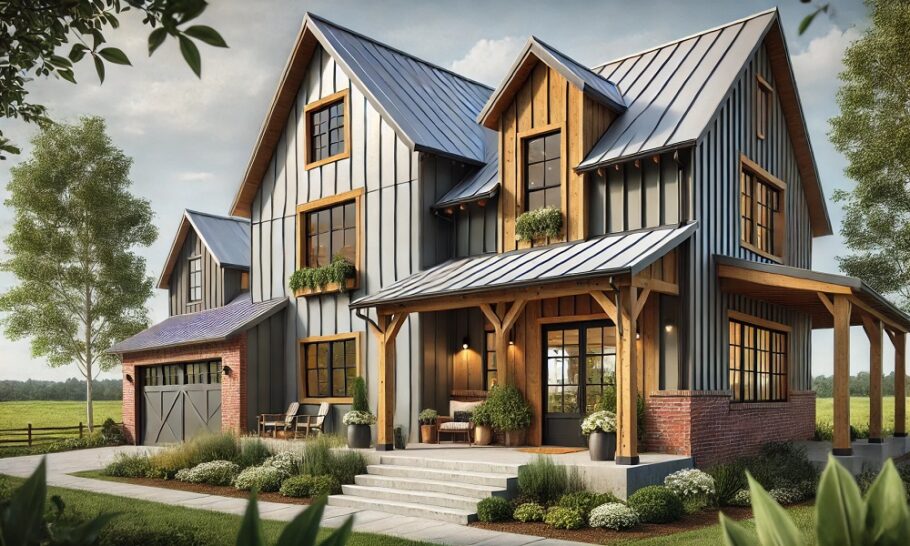
Co-housing isn’t new, but the idea of blending it with barndominium living has created one of the most exciting new approaches to modern housing. The barndominium lifestyle already appeals to people who value open layouts, flexible design, lower construction costs, durability, and the ability to fully customize their space. Meanwhile, co-housing attracts those seeking stronger social connections, shared responsibilities, and a sense of community without sacrificing privacy. When these two concepts merge, the result is a compelling balance: a neighborhood built around shared spaces—gardens, workshops, kitchens, trails, recreation barns—paired with private, fully independent barndominium homes.
In an era where housing costs are rising, land is expensive, and people crave meaningful community more than ever, barndominium co-housing communities offer a fresh, intelligent solution. They combine the rugged efficiency of post-frame construction with a lifestyle model built on cooperation and intentional living. Whether you’re a homeowner, designer, or developer, this approach opens the door to a community style that’s environmentally responsible, socially enriching, and financially accessible.
Understanding Barndominium Co-Housing
Traditional co-housing communities involve a collection of individual homes arranged around shared facilities. These facilities might include a common house, laundry room, gardens, a workshop, or shared dining areas. Members maintain their own private dwellings but also participate in community activities and shared management.
A barndominium co-housing community carries all the same principles but introduces several unique advantages:
-
Post-frame and steel-frame structures are faster and more cost-effective to build.
-
Large spans and open floor plans make shared facilities easier to design and adapt.
-
The industrial-rustic aesthetic of barndominiums feels naturally communal, blending comfort with durability.
-
Private barndominiums can be easily customized to suit different family sizes, lifestyles, and budgets.
Co-housing based on barndominiums can take many forms: small eco-villages, rural homesteading communities, agrihoods, multi-family compounds, or even luxury ranch-style developments with high-end amenities.
Why People Are Turning Toward Co-Housing
The appeal of co-housing continues to rise around the world, especially in rural and semi-rural regions where barndominiums are already growing in popularity. Here are the most common reasons people are choosing co-housing models:
Reduced Living Costs
Shared infrastructure drastically reduces expenses. Instead of each household building its own workshop, gym, garden shed, or guest suite, these can be centralized in shared structures—often barndominium-style barns or communal buildings. This lowers overall construction and maintenance costs.
Built-in Community
Instead of moving into a neighborhood of strangers, co-housing communities are intentionally created as social environments. Neighbors communicate, help each other, share responsibilities, enjoy group activities, and maintain a sense of belonging.
Sustainability
Shared utilities, community gardens, solar installations, and efficient land use reduce environmental footprints. Barndominiums are already known for strong insulation and energy efficiency, making them even more aligned with eco-focused co-housing goals.
Improved Safety and Support
Living near people you know and trust enhances security, especially for families with children or aging adults. Many co-housing communities adopt a model where neighbors check in on each other and share resources when needed.
Flexibility and Autonomy
You still maintain a private home with your own kitchen, bedrooms, office, and garage. Co-housing is not communal living in the traditional sense—it provides community when you want it and privacy when you don’t.
Designing a Barndominium Co-Housing Layout
A successful barndominium co-housing community requires thoughtful planning. Since post-frame and metal buildings offer so many options for interior and exterior configurations, designers and builders have enormous flexibility. The layout typically includes:
1. A Cluster of Private Barndominium Homes
Each home can be built according to the owner’s needs—one-story, two-story, lofted, open-concept, or traditional room divisions. Homes may be grouped closely or spread out on larger lots depending on lifestyle goals.
2. A Central Shared Barn or Common Building
This is the heart of the community. It might include:
-
A commercial-grade kitchen for potlucks or events
-
A large dining hall
-
A co-working loft
-
A multipurpose recreation room
-
A tool library or community workshop
-
A fitness area or yoga loft
-
Guest rooms for visitors
-
A community pantry or cold storage area
Because barndominiums can span large, open interiors affordably, this shared building becomes a signature feature.
3. Outdoor Community Zones
Depending on the land available, outdoor shared spaces might include:
-
Community gardens and greenhouses
-
A small orchard or vineyard
-
Naturally landscaped walking paths
-
Children’s play areas
-
A shared firepit or outdoor kitchen
-
A communal pool or stock tank pool
-
A fenced dog run
-
Rainwater collection or irrigation systems
4. Shared Utility and Storage Facilities
Communities often share:
-
A maintenance shed
-
Solar power banks
-
Water filtration systems
-
Septic or composting setups
-
Extra storage for large equipment
Because these elements are consolidated, they become cheaper and easier to maintain.
Balancing Shared Living and Personal Privacy
While the idea of shared space is appealing, privacy remains a top priority in any co-housing model. Barndominium communities balance both through several design strategies:
Strategic Home Placement
Homes may be angled to ensure that windows don’t face directly into one another. Landscaping, elevation changes, and strategic clustering allow each family to enjoy peace and personal space.
Private Yards and Entrances
Even though the community shares resources, each home still features private patios, porches, or fenced areas to retreat and enjoy time alone.
Clear Zoning
Communities often use zoning markers such as:
-
Public zones (open to everyone)
-
Semi-public zones (common building or gardens)
-
Semi-private zones (front porches)
-
Private zones (inside homes, fenced yards)
This helps maintain boundaries and reduces misunderstandings.
Community Agreements
Co-housing communities generally establish guidelines around noise, pets, shared resources, and community responsibilities. These aren’t restrictive—they foster respect and smooth cooperation.
Advantages of Choosing Barndominiums for Co-Housing
Barndominiums bring unique strengths to community living:
Lower Construction Costs
Because post-frame and metal buildings go up quickly, developers can create multiple units and shared buildings faster and more affordably than traditional structures.
Design Adaptability
Barndos make it easier to customize everything from studio-size homes to large family houses. Lofts, mezzanines, hobby rooms, and vaulted great rooms all fit naturally within the structure.
Aesthetic Cohesion
Communities often want homes to feel cohesive without looking identical. Barndominiums offer variety in sidings, rooflines, and floor plans but still maintain a unified overall look.
Durability for Shared Buildings
Shared structures like workshops, gyms, and event halls must withstand heavy use. Steel-frame and post-frame barndos handle this better than many conventional buildings.
Eco-friendly Options
Barndominiums naturally lend themselves to:
-
Energy-efficient envelopes
-
Solar integration
-
Radiant heating
-
Reclaimed materials
-
Rainwater harvesting
-
High-performance insulation systems
A co-housing community multiplying these features across many homes becomes even more sustainable.
Challenges and How to Address Them
Like any living model, barndominium co-housing has challenges—but each can be addressed through thoughtful planning.
Governance and Decision-Making
Communities need clear decision-making models, such as consensus voting or elected committees, to prevent conflict.
Maintenance Responsibilities
Shared buildings require shared effort. A rotating maintenance calendar or hired property manager helps keep things smooth.
Privacy Management
Not everyone prefers constant social interaction. Designing with adequate buffers and respecting community guidelines ensures comfort for all residents.
Financing and Zoning
Some regions may not have specific zoning for co-housing communities. Working with local officials and lenders familiar with alternative housing helps avoid delays.
The Future of Barndominium Co-Housing
As more people seek ways to reduce housing expenses, live sustainably, and build meaningful relationships, barndominium co-housing communities are becoming more attractive. This model blends efficient construction, modern design, and deep community roots—things many feel are missing from traditional suburban or urban living.
Whether the development consists of five homes or fifty, the benefits scale beautifully. Families can live near aging parents, friends can invest in land together, farmers can share resources, or multi-generational households can create connected yet independent living spaces.
Barndominiums change what’s possible in co-housing: they make community-oriented living more affordable, more flexible, and more achievable.
Final Thoughts
A barndominium co-housing community represents the best of both worlds—shared spaces that enrich daily life and private homes that offer sanctuary when needed. It solves some of today’s biggest challenges in housing: cost, connection, sustainability, and adaptability. With the right planning, design, and community structure, this model offers a lifestyle that feels as rugged and practical as it is warm and welcoming.
If you’re considering designing or developing a barndominium co-housing community, the possibilities are nearly endless. From shared workshops and gardens to beautifully customized private homes, this approach invites people to live not just next to one another—but with one another, in a way that feels intentional, supportive, and deeply connected.