
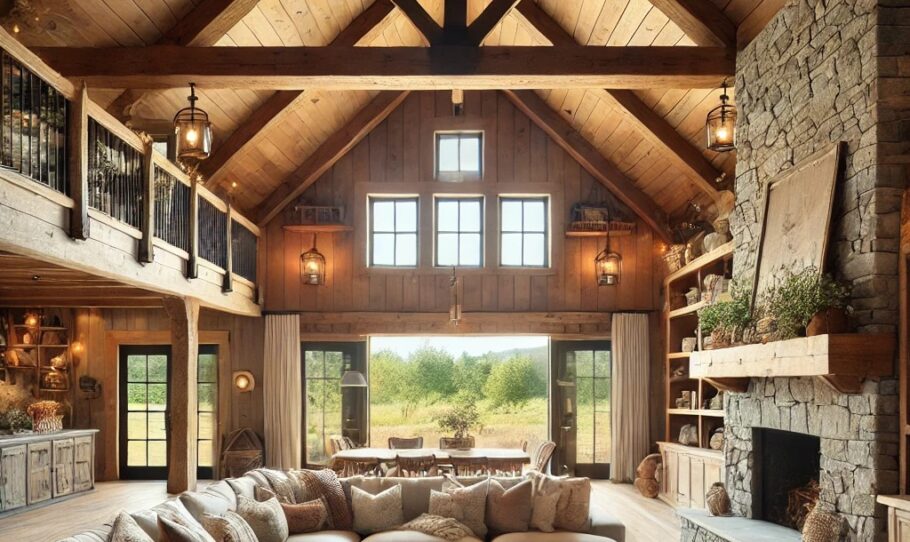
Barndominiums are known for their wide-open spaces, soaring ceilings, and flexible layouts—qualities that make natural light a central part of their appeal. One of the most effective ways to enhance that light is through strategically designed skylights. When planned correctly, skylights can transform a barndominium into a bright, energy-efficient, and visually stunning home. When planned poorly, they can become a source of heat gain, leaks, glare, and long-term maintenance frustrations.
This guide takes an in-depth look at skylight strategy specifically for barndominiums, covering placement, sizing, materials, energy efficiency, structural considerations, and stylistic approaches. Whether you’re designing a barndominiums from scratch or refining an existing plan, understanding skylights from a strategic viewpoint will help you maximize benefits and avoid common pitfalls.
Why Skylights Matter in Barndominiums
Barndominiums differ from traditional homes in one major way: they rely on large, open interior volumes and tall metal or post-frame structures. These designs often have fewer interior load-bearing walls and more uninterrupted roof lines, which makes skylights easier to integrate—but also more prone to overheating if placement isn’t carefully controlled.
Key reasons skylights are so valuable:
They Increase Natural Light Dramatically
Barndominiums often have deep interior floor plans. Skylights reach areas where wall windows cannot, improving visibility and reducing reliance on artificial lighting during the day.
They Enhance Mood and Well-Being
Natural light exposure supports circadian rhythm regulation, increases Vitamin D, and improves the overall feeling of spaciousness—particularly important in metal structures that may otherwise feel cavernous.
They Improve Energy Performance
Correctly placed and properly glazed skylights reduce daytime electricity usage and can even support passive solar heating in winter climates.
They Add Architectural Drama
Skylights can turn an ordinary vaulted ceiling into an eye-catching design moment. From soft diffused glow to spotlight-like beams, they create visual texture throughout the day.
Structural Considerations Unique to Barndominiums
Skylight strategy in barndominiums begins with understanding the structural system supporting the roof.
Roof Type
Most barndominiums use one of the following roof systems:
- Metal roofing panels over purlins
- Wood trusses or metal trusses
- Post-frame rafters
- Structural insulated panels (SIPs)
Metal roofs expand and contract with temperature changes, so skylight flashing and sealing must be designed to accommodate movement.
Roof Pitch Matters
Low-pitch metal roofs are common—and not all skylights are compatible with low slopes. At minimum:
- 2:12 pitch is required for most standard skylights
- Below 3:12, special flashing kits are often necessary
- For flat or nearly flat roofs, consider tubular skylights or curb-mounted options
Avoid Cutting Primary Trusses
If skylights require modifications to roof framing, they must be placed between truss members. Cutting or modifying barndominium trusses without engineering approval can compromise building integrity.
Skylight Placement Strategy
Placement is where most skylight problems are born—and where most benefits originate. A strategic approach considers orientation, room function, ceiling height, and climate.
Orientation: North, South, East, or West?
Each direction produces a unique light effect:
- North-facing skylights
- Softest, most consistent natural light
- No overheating
- Ideal for living rooms, kitchens, workshops
- South-facing skylights
- Maximum light and sun exposure
- Potential for solar heat gain
- Excellent in cold climates
- Use glazing with low-SHGC (solar heat gain coefficient) in warm regions
- East-facing skylights
- Bright morning light
- Cooler afternoon performance
- Great for bedrooms or breakfast areas
- West-facing skylights
- Strong late-afternoon sun
- Can cause overheating
- Best for seasonal homes or areas where evening heat is desirable
Room-by-Room Skylight Placement
Living Room / Great Room
Barndominium great rooms often span 20–30 feet tall. Skylights help distribute light evenly throughout these deep volumes, preventing the “dark ceiling” effect. Use larger skylights or multiple smaller ones arranged symmetrically.
Kitchens
Skylights reduce shadows over workspaces. Tubular skylights can be ideal for task areas like islands or prep counters.
Bedrooms
Use indirect light (north-facing or diffused glass) to avoid early-morning glare. Consider skylights with built-in blinds.
Bathrooms
A perfect location for skylights. They add privacy while eliminating the need for wall windows.
Lofts
Skylights can dramatically brighten mezzanine spaces that otherwise feel dim due to their back-of-house position.
Hallways and Interior Zones
Tubular skylights (sun tunnels) work exceptionally well in narrow or central areas without exterior walls.
Choosing the Right Skylight Type
Not all skylights are created equal, and barndominiums have specific needs.
Fixed Skylights
- Best for controlled lighting
- Energy efficient
- Least prone to leaks
- Ideal for tall ceilings
Vented (Operable) Skylights
- Open manually or electronically
- Improve natural ventilation
- Excellent for kitchens, bathrooms, or high-humidity spaces
- Must have high-quality waterproofing and flashing
Tubular Skylights (Sun Tunnels)
- Affordable and easy to install
- Minimal structural modifications
- Great for hallways, closets, bathrooms, and interior rooms
Roof Windows
- Positioned low enough to reach
- Provide emergency egress
- More suitable for lofts or attic-style spaces than main living rooms
Custom Skylight Panels
Common in modern barn-style architecture, these long rectangular skylights create dramatic lighting. However, they require precise engineering and high-performance glazing to avoid overheating.
Glazing Options: Controlling Heat and Light
Glazing determines the performance, safety, and sustainability of your skylight.
Tempered Glass
- Shatters into small pieces
- Required by code for overhead installations
Laminated Glass
- Holds together if cracked
- Best for safety and noise reduction
Double- or Triple-Pane
Double-pane is standard; triple-pane is preferred in cold climates.
Low-E Coatings
These coatings reflect infrared rays, helping regulate indoor temperatures.
Tinted or Diffused Glass
Softens harsh light and minimizes glare—ideal in kitchens or studios.
Skylight Sizing Strategy
Bigger is not always better. Ideal skylight size typically ranges from 5% to 10% of the room’s square footage.
- 200 sq ft room → 10–20 sq ft skylight
- 400 sq ft room → 20–40 sq ft skylight
Oversized skylights in metal barndominiums may cause:
- Heat gain
- Heat loss
- Excessive glare
- Structural stress
Consider combining two medium-sized skylights instead of one huge one to balance light distribution.
Preventing Leaks in Barndominium Skylights
Leak prevention is a top concern for metal-roof barndominiums. A strategic skylight installation includes:
Proper Flashing
Use flashing kits designed for metal roofs with raised ribs.
Ice and Water Shield
Consider adding a peel-and-stick membrane around skylight curbs, especially in cold climates.
Standing-Seam Roof Compatibility
Some skylights clamp onto seams without requiring roof penetration—an excellent leak-free option.
Curb-Mounted vs. Deck-Mounted
- Curb-mounted: Best for low-slope roofs
- Deck-mounted: Lower profile, better energy performance for pitched roofs
Professional Installation
Skylights are not a DIY detail in a barndominium. Structural load, roof movement, condensation, and waterproofing all require experienced hands.
Interior Design Strategies with Skylights
Skylights are architectural tools—not just sources of light.
Create Light “Landscapes”
Use skylights to sculpt light across floors, furnishings, and beams.
Highlight Materials
Natural light enhances the textures of concrete floors, shiplap walls, exposed beams, and polished metal.
Combine with Passive Solar Design
South-facing skylights in winter climates help warm interior spaces, reducing heating costs.
Pair with Smart Lighting
Sensors can dim artificial lights when skylights provide enough natural brightness.
Energy Efficiency and Climate Considerations
Your skylight strategy depends heavily on local climate.
Hot Climates
- Use low-SHGC glass
- Prefer north-facing skylights
- Avoid oversized skylights
- Consider tinting or integrated blinds
Cold Climates
- Triple-pane glazing
- South-facing placement for passive heating
- Curb-mounted designs with thick insulation
Humid Climates
- Vented skylights support air movement
- Condensation-resistant frames are essential
Common Mistakes to Avoid
Even beautiful barndominiums can suffer when skylights are poorly planned. Avoid:
- Installing skylights directly over sleeping areas
- Using cheap plastic domes that discolor or crack
- Underestimating heat gain in metal-roof structures
- Choosing oversized skylights
- Ignoring flashing compatibility with metal roofing
- Placing skylights on low-slope roofs without curbs
A well-executed skylight strategy turns these potential problems into strengths.
Final Thoughts
A thoughtful skylight strategy can elevate a barndominium from simply bright to breathtaking. It blends architecture, engineering, and interior design into a unified approach that maximizes light, enhances comfort, and supports energy efficiency. When planned intentionally—considering orientation, glazing, roof structure, climate, and room function—skylights become one of the smartest investments in barndominium design.
Whether you’re aiming for a bright, airy farmhouse-style interior or a sleek modern barn with sculpted natural light, skylights give you design power no side window can match. With the right strategy, they will illuminate your home beautifully for decades to come.