
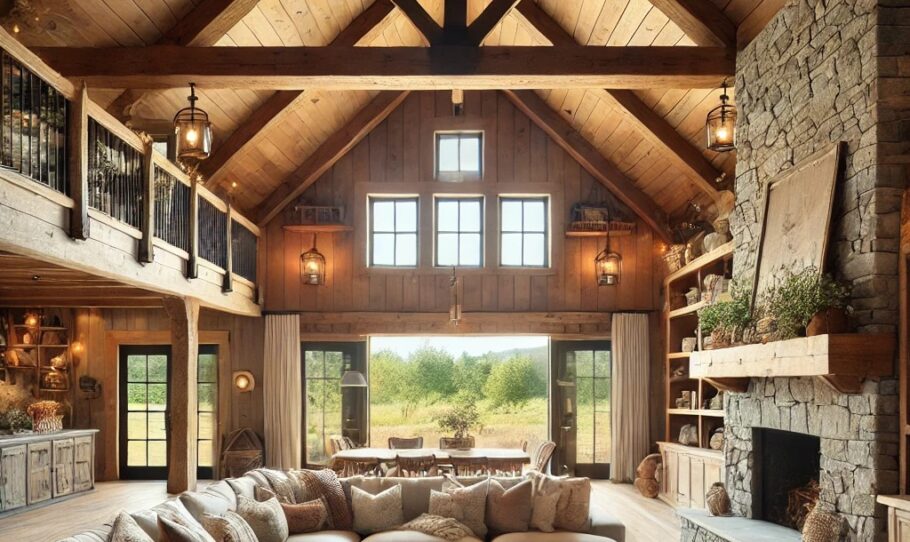
There’s a reason we’re drawn to buildings with soaring ceilings and wide-open spaces. It’s the same reason we feel a sense of calm when we step into a sun-drenched room on a quiet morning. That feeling is the magic of natural light, and when it comes to barndominium living, harnessing that magic isn’t just an afterthought—it should be the cornerstone of your entire design philosophy.
Barndominiums, or “barndos” as they’re affectionately called, offer a unique architectural blank slate. Born from the utilitarian bones of agricultural buildings, they combine the rugged durability of a steel or post-frame structure with the warmth and comfort of a modern home. But with great, wide-open potential comes a great responsibility: to avoid creating a space that feels like a dark, cavernous warehouse.
Incorporating natural light into your barndominium is about more than just slapping in a few extra windows. It’s about choreographing the sun’s movement throughout the day, connecting the interior with the landscape, and creating a living environment that is both energy-efficient and emotionally uplifting. Let’s dive into how you can become the master of light in your dream barndo.
The Philosophy of Light: Start with Orientation
Before you pick out a single window or skylight, you need to look at the big picture: your land. The single most important decision you’ll make regarding natural light happens before the foundation is even poured. It’s the orientation of your home on the site.
Think of your barndominium as a massive sundial. Understanding the path of the sun is key.
- The South Side: This is your workhorse. In the northern hemisphere, the south-facing facade receives the most consistent light throughout the day and year. In the winter, the sun arcs low across the southern sky, allowing its warming rays to penetrate deep into the living space. In the summer, when the sun is high overhead, a properly sized roof overhang or a deep porch can easily shade these same windows, keeping the interior cool. This is passive solar design at its most basic and effective. This is the perfect side for your great room, kitchen, and main living areas.
- The North Side: North-facing light is the artist’s light. It’s remarkably consistent, cool, and glare-free. It doesn’t change dramatically throughout the day. This makes it the ideal orientation for a home office, an art studio, or a library—spaces where you want steady, even illumination without the harshness of direct sun.
- The East Side: The east facade is for the early birds. It captures the gentle, warming light of the morning sun. This is the perfect spot for a breakfast nook, a kitchen where you start your day, or a primary bedroom. You’ll wake up with the sun, which is a beautiful way to begin.
- The West Side: This is the side that requires the most thoughtful design. Western light is intense and hot. In the summer, a west-facing window can turn a room into an oven by late afternoon. While you might be tempted to put a sunset-view living room here, you need to be strategic. Use smaller window openings, specify high-performance glass with low solar heat gain coefficients, or employ exterior shading devices like strategically placed trees, trellises, or deep covered porches to tame the intense afternoon rays.
The Grand Gestures: Doors and Windows as Walls
One of the greatest joys of building a barndominium is the ability to think big. The structural integrity of a barndo, often using a post-frame construction method, allows for wide, uninterrupted spans. You aren’t as constrained by the need for load-bearing walls every few feet as you are in traditional stick-built homes. This is your biggest advantage for bringing in light.
Don’t think of windows as holes in the wall. Think of the wall itself as a frame for the view.
- Go Vertical with Clerestory Windows: This is arguably the most effective and stunning way to light a barndominium. Clerestory windows are a band of windows placed high up on the wall, just below the roofline. Because they are above eye level, they flood the interior with light while offering complete privacy and preserving wall space for furniture. In a barndo with high ceilings, a continuous run of clerestory windows down the length of the building can make the space feel weightless, as if the roof is floating on light.
- Embrace the Glass Wall: In the main living areas, consider replacing a significant portion of an exterior wall with a system of large sliding or folding glass doors. These aren’t just doors; they’re movable walls. When closed, they provide a massive, uninterrupted pane of glass that frames your property like a living painting. When opened, they dissolve the boundary between indoors and out, extending your living space onto a patio or deck. This connection to the outdoors is the essence of modern barndominium living.
- Think Beyond the Rectangle: While cost-effective, standard double-hung windows can feel out of place in a barndominium’s expansive aesthetic. Mix it up. Use large, single-pane fixed windows to capture a view. Pair them with casement or awning windows that can be opened for ventilation. Consider a dramatic, circular “porthole” window in a gable end or a vertical strip of glass beside a massive entry door to add architectural interest while doing the primary job of letting light in.
Bringing Light from Above: Skylights and Solar Tubes
Sometimes, the best source of light isn’t on the walls at all—it’s above you. The roof of a barndominium presents a huge opportunity to pull daylight deep into the floor plan, especially into interior spaces that don’t have exterior walls, like a central hallway, pantry, or bathroom.
- The Classic Skylight: Modern skylights are a far cry from the leaky plastic bubbles of the past. Today’s units are highly insulated, technologically advanced, and can even be equipped with remote-controlled shades and rain sensors that tell them to close automatically.
- Fixed Skylights: These are perfect for bringing constant ambient light into a great room or a dark hallway.
- Vented Skylights: These are a game-changer for comfort. Because heat rises, a venting skylight acts as a massive exhaust fan. On a warm day, you can open it to let the hottest air at the ceiling escape, drawing cool air in from your open windows and naturally ventilating your home.
- The Architectural Marvel: Monitor or Cupola: If you want to make a serious architectural statement while maximizing light and ventilation, look to historic barns for inspiration. A monitor roof features a raised section running the length of the roof ridge, with vertical windows on both sides. It’s like a continuous, roof-top clerestory. It brings in an incredible amount of diffused light and can be opened for ventilation. A cupola is a smaller, often decorative, structure perched on the ridge, typically with louvered or glassed openings. It adds a classic barn aesthetic while acting as a beautiful light and exhaust source.
For smaller spaces or areas where a full skylight isn’t practical, solar tubes are a brilliant solution. These reflective tubes channel sunlight from a small dome on the roof down through your attic and into a diffuser on your ceiling. They can bring surprising amounts of natural light into closets, laundry rooms, and hallways, reducing the need for electric lights during the day.
The Interior Dance: Reflecting and Distributing Light
Once you’ve invited the light in, your job isn’t done. How you finish the interior of your barndominium will determine how that light behaves. Will it bounce cheerfully around the room, or will it be swallowed up by dark surfaces?
- The Power of White (and Light Colors): There’s a reason white walls are a staple of galleries and modern design. They are the ultimate light reflectors. In a barndominium, consider white or off-white for your ceiling and the upper portions of your walls. The high ceiling is a massive surface; painting it a light color will reflect sunlight and ambient light back down into the living space, making the entire room feel brighter and larger. This doesn’t mean your whole house has to be a sterile white box. You can add warmth with wood accents, colored furniture, and textured textiles, but keeping the primary architectural canvases light will pay huge dividends in natural illumination.
- Flooring Matters: Dark, matte floors can absorb a shocking amount of light. If you’re struggling to get enough sunlight into a particular area, consider lighter flooring options. Polished concrete (a barndominium favorite) can be stained in lighter tones or sealed to a high gloss that will reflect light beautifully. Light-colored wood or large-format light grey or beige tiles will also help bounce light around.
- Strategic Mirror Placement: This is an old interior designer’s trick that works wonders. A large, well-placed mirror can act as a second window. If you have a beautiful view and a window on one wall, placing a large mirror on the opposite wall will reflect that view and that light, effectively doubling its presence in the room.
- Open-Plan Flow: One of the inherent benefits of barndominium living is the open floor plan. This, in itself, is a tool for light distribution. By minimizing interior walls that can block light, you allow sunshine from the south-facing great room to filter into the kitchen and dining areas. If you need some separation, use light-permeable partitions like frosted glass panels, sliding barn doors, or open shelving instead of solid walls.
Taming the Glare: The Finishing Touches
Bringing in light is the goal, but bringing in too much harsh, direct light creates glare and heat. The final step in your natural light strategy is control.
- Interior Window Films: These aren’t just for commercial buildings. Decorative and affordable window films can be applied to glass to diffuse light, provide privacy, and reduce UV rays while still allowing brightness to flood in. They come in patterns ranging from simple frosted to elegant, rice-paper-like designs.
- Strategic Shading: Forget heavy, light-blocking drapes. Opt for light and airy window treatments. Top-down/bottom-up cellular shades are perfect for barndos. You can lower them from the top to block the harsh sun while still maintaining privacy and allowing a soft glow from the lower part of the window. Roller shades in light-filtering fabrics are another excellent, minimalist choice.
- Exterior Solutions: The most effective way to control sun is to stop it before it hits the glass. Deep overhangs, covered porches, pergolas with climbing vines, and strategically planted deciduous trees (which provide shade in summer and lose their leaves to let sun in during winter) are all beautiful and functional ways to curate the light that enters your home.
Designing a barndominium is an exercise in blending the rustic with the refined, the industrial with the intimate. By thoughtfully incorporating natural light from the very first site plan to the final interior finish, you ensure that your home is not just a structure, but a living, breathing space that changes with the time of day and the seasons. It’s about creating a home that feels as expansive and free as the land it sits on, a place where you can truly thrive. So, as you plan your dream barndo, remember to look up, look out, and let the sun be your guide.