
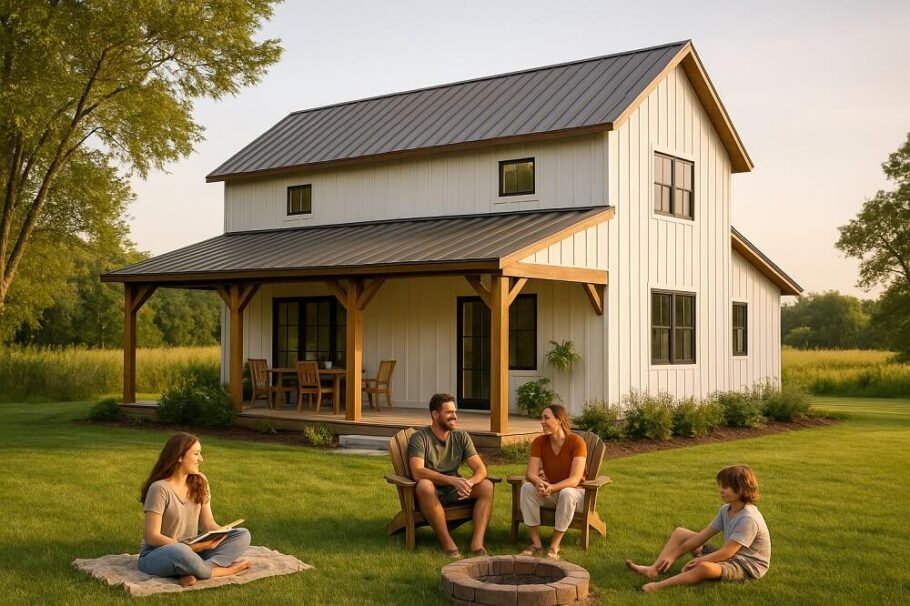
Barndominiums are loved for their durability, open interiors, and modern-rustic charm. Built primarily with metal frames and steel siding, they are strong against wind, fire, and pests. However, that same metal-rich structure makes barndominiums more vulnerable to lightning-related risks compared to traditional wood-framed homes.
Lightning is a powerful and unpredictable natural force. A single strike can reach temperatures hotter than the surface of the sun, delivering tens of thousands of amps of electrical current in a fraction of a second. For barndominium owners—especially those in storm-prone regions—lightning protection is not a luxury, but a smart and necessary investment.
This detailed guide explains how lightning affects metal buildings and shows you proven, practical ways to protect your barndominium, your belongings, and the people inside it.
Understanding Why Barndominiums Are at Higher Risk
Barndominiums often use steel columns, metal roofing, steel wall panels, and exposed framing. Metal does not attract lightning, but it conducts electricity very efficiently. When lightning strikes near or directly on a metal structure, the electrical current can travel along the frame, roof, and wiring systems extremely fast.
This creates several risks:
- Electrical surges that damage appliances and electronics
- Fire hazards if current jumps to flammable materials
- Structural damage at strike points
- Dangerous voltage traveling through plumbing and wiring
- Electrocution risk for occupants
Open rural locations, where many barndominiums are built, also increase exposure. With fewer tall buildings or trees nearby, a standalone metal structure can become a preferred strike path during thunderstorms.
Install a Complete Lightning Protection System
The most effective way to protect a barndominium from lightning is through a professionally installed lightning protection system. This system is designed to safely intercept lightning and guide the electrical energy into the ground before it can harm the structure.
A complete system includes:
- Air terminals (lightning rods) mounted along the roof ridges and corners
- Conductors (heavy copper or aluminum cables) that create a low-resistance path
- Grounding electrodes (ground rods or ground plates) buried deep in the soil
This system does not “attract” lightning. Instead, it provides a safe, controlled route for the electrical energy if a strike occurs.
For barndominiums with large metal roofs, air terminals are strategically spaced to cover every roof section. The conductors are bonded to the metal structure and run down exterior walls to grounding rods installed several feet into the earth.
Use Proper Grounding and Bonding Throughout the Structure
Grounding and bonding are critical for lightning safety, especially in metal buildings.
Grounding creates a safe discharge path to the earth. Bonding ensures that all metal parts of the structure are electrically connected so that dangerous voltage differences do not develop between different components.
Important areas that should be properly grounded and bonded include:
- Steel frames and columns
- Metal roofing and siding
- Metal doors and window frames
- Metal plumbing systems
- HVAC ductwork
When these components are bonded, lightning energy flows evenly through the system instead of jumping dangerously between isolated metal parts.
Protect Electrical Systems with Surge Protection
Even if lightning does not strike your barndominium directly, nearby strikes can send powerful surges through utility lines. These surges can destroy expensive electronics in seconds.
Surge protection should be layered for maximum effectiveness:
- Whole-house surge protectors installed at the main electrical panel
- Secondary surge devices on subpanels
- Point-of-use surge protectors for sensitive electronics
A whole-house surge protector helps block high-energy spikes before they reach individual circuits. This is extremely important in rural areas where power lines are long and more exposed to lightning activity.
Reinforce Roof and Exterior Components
The roof is the most likely strike point during a lightning event, especially in barndominiums with large metal roof surfaces.
You can improve roof safety by:
- Ensuring metal roof panels are properly bonded and grounded
- Installing lightning rods along roof peaks and edges
- Securing flashing and ridge caps firmly to avoid arcing
Loose metal components can act like jump points where electricity arcs, increasing fire risk. Tight, continuous connections help electricity move smoothly into the grounding system instead of sparking.
Protect Interior Systems and Appliances
Inside a barndominium, lightning-related damage often shows up in wiring, appliances, and smart home systems.
Important protection steps include:
- Using grounded electrical outlets throughout the home
- Installing arc-fault and ground-fault circuit interrupters
- Keeping major appliances on dedicated, surge-protected circuits
Smart TVs, security systems, computers, and solar inverters are especially vulnerable to voltage spikes. Protecting these systems with proper grounding and surge suppression extends their lifespan and improves home safety.
Safeguard Plumbing and Water Systems
Metal plumbing pipes can conduct lightning-induced currents. If a lightning strike energizes your plumbing system, it can become dangerous to use faucets or showers during a storm.
To reduce this risk:
- Bond metal water pipes to the home’s grounding system
- Use non-metallic pipe sections where practical
- Install dielectric unions to separate dissimilar metals
This prevents voltage from building up inside plumbing and lowers the chance of electric shock through water fixtures.
Consider External Structures and Accessories
Many barndominiums include nearby metal buildings such as workshops, barns, detached garages, or large storage sheds. These structures can either increase risk or be integrated into a safer overall lightning strategy.
Smart approaches include:
- Installing separate grounding systems for detached metal buildings
- Bonding fences, gates, and corrals to ground where practical
- Keeping tall metal antennas or towers properly grounded
If you have a wind turbine or tall radio antenna on your property, it should be equipped with its own dedicated lightning protection system to prevent current from reaching your main living structure.
Smart Landscaping to Reduce Lightning Risk
While trees and landscaping do not stop lightning, smart placement can slightly reduce direct strike exposure.
Consider these strategies:
- Avoid planting tall isolated trees too close to your barndominium
- Maintain clear zones around the building perimeter
- Install lightning protection on very tall trees near the structure
Trees struck by lightning can explode, sending burning debris toward your roof or walls. Maintaining proper distance between tall vegetation and your structure reduces this secondary risk.
Using Proper Construction Techniques from the Start
If you are still in the design or construction phase, lightning protection can be built into your barndominium from the very beginning.
Best practices include:
- Embedding grounding rods during foundation work
- Bonding the steel frame as a unified electrical path
- Installing empty conduit runs for future lightning system upgrades
Planning early reduces installation cost and makes the system more effective than retrofitting later.
What to Do During a Lightning Storm
Even with excellent structural protection, personal safety during storms is critical.
Safe practices include:
- Avoid using wired electronics
- Stay away from large metal surfaces
- Do not use plumbing or shower during intense storms
- Unplug sensitive devices if possible before the storm
- Stay inside and avoid touching conducting surfaces
Lightning protection systems reduce risk significantly but no system guarantees absolute safety if dangerous behavior is ignored during storms.
Maintenance and Inspection of Lightning Protection Systems
A lightning protection system is not a “set it and forget it” feature. Regular inspection ensures it remains fully functional.
Recommended maintenance steps:
- Inspect roof air terminals once a year
- Check for loose or corroded conductors
- Verify that ground rods remain securely connected
- Repair storm-damaged components promptly
After any known lightning strike, it’s wise to have the system inspected by a qualified professional to confirm nothing has been compromised.
The Cost of Protection vs. the Cost of Damage
Many barndominium owners hesitate to invest in lightning protection because of initial cost. However, the potential losses from a lightning strike are far higher.
Consider what is at risk:
- Structural repairs
- Fire damage restoration
- Electronics replacement
- Insurance deductibles
- Personal safety
A professionally installed system is a long-term investment that protects both property and lives.
Final Thoughts: Lightning Protection Is Essential for Metal Homes
Barndominiums are strong, efficient, and beautiful homes, but their metal construction makes lightning safety a serious consideration. With a well-designed lightning protection system, proper grounding, surge protection, and safe building practices, you can dramatically reduce the risks associated with lightning strikes.
Protecting your barndominium from lightning is not about fear—it is about smart, proactive design. By planning ahead and investing in professional-grade protection, you ensure that your metal home remains safe, functional, and secure through even the most intense storms.
A lightning-safe barndominium is not just about protecting steel and concrete—it’s about protecting the people who call it home.