
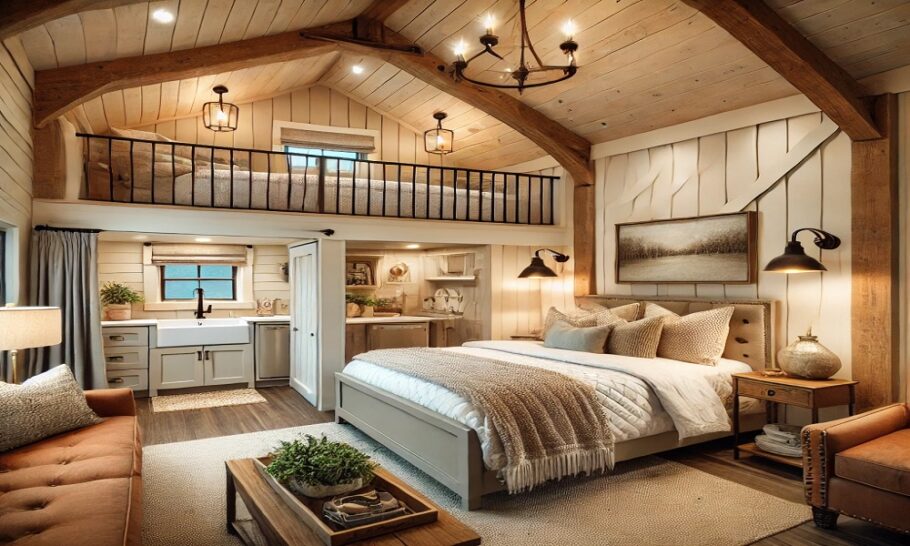
Barndominiums combine the strength of steel framing with the warmth and flexibility of wood construction. This hybrid wood/metal approach delivers durability, cost efficiency, and design freedom—but it also introduces unique pest-control challenges. Unlike traditional homes, barndominiums often feature exposed steel, large slab foundations, expansive rooflines, and mixed materials that can create hidden entry points for insects and rodents if not planned carefully.
Pests are more than a nuisance. Termites can compromise wood framing, rodents can chew electrical wiring, and insects can contaminate insulation and indoor air quality. In hybrid structures, pests exploit the transition points between metal and wood, making prevention a design and maintenance priority from day one.
This in-depth guide explains how pests access barndominiums, which species pose the greatest risk, and how to protect hybrid wood/metal structures through smart design, construction details, and ongoing maintenance.
Why Hybrid Wood/Metal Barndominiums Attract Pests
Hybrid construction creates advantages—but also vulnerabilities—when it comes to pest intrusion. Understanding these vulnerabilities helps you eliminate them before they become costly problems.
Metal framing itself does not attract pests, but wood components, insulation, sealants, and moisture sources do. When steel and wood meet, small gaps often form due to differential expansion and contraction. These gaps are ideal entry points for insects and rodents.
Large footprints and open-span designs can also make barndominiums more difficult to seal than conventional homes. Utility penetrations, overhead doors, wall girts, and roof transitions all present opportunities for pests to gain access.
Moisture is another major factor. Condensation on metal panels, slab edges, and poorly ventilated wall cavities can create damp conditions that attract termites, carpenter ants, and mold-feeding insects.
Common Pests That Threaten Barndominiums
Not all pests pose the same level of risk, but several are particularly problematic in hybrid wood/metal structures.
Termites are the most destructive threat to wood framing. Subterranean termites enter through the soil and can access wood components hidden behind steel panels or interior finishes.
Rodents such as mice and rats exploit small gaps around foundations, doors, and rooflines. Once inside, they nest in insulation and chew through wiring, posing fire risks.
Carpenter ants do not eat wood like termites, but they excavate it for nesting, weakening framing members over time.
Wasps and hornets often nest in roof overhangs, steel ribs, and attic spaces where they are protected from weather.
Cockroaches, spiders, and other insects are drawn to warmth, moisture, and food sources, especially in utility rooms and kitchens.
Pest-Resistant Design Starts at the Foundation
The foundation is the first and most critical defense against pests. In slab-on-grade barndominiums, the slab edge is often the primary entry point for insects and rodents.
A continuous concrete slab with minimal cracks is essential. Expansion joints should be properly sealed with pest-resistant elastomeric sealants. Any cracks that develop over time must be sealed promptly.
Raised slabs and pier foundations require additional attention. Install metal termite shields or stainless-steel mesh barriers at the top of piers and around wood-to-concrete connections. These barriers force termites into visible paths where they can be detected.
Soil treatment is another key step. Applying a termiticide-treated zone beneath and around the slab before construction provides long-term protection. Even in steel-heavy structures, wood interior framing remains vulnerable without this step.
Grading around the foundation should slope away from the building to prevent standing water, which attracts insects and softens soil for burrowing pests.
Protecting Wood Components in a Hybrid Structure
Wood framing, trim, and interior finishes must be treated as high-risk zones in a hybrid barndominium.
Use pressure-treated lumber wherever wood contacts concrete or masonry. This includes sill plates, bottom wall girts, and door framing. Treated lumber resists termites and decay far better than untreated wood.
For interior framing, consider borate-treated lumber. Borates are highly effective against termites and carpenter ants while remaining low-toxicity for humans when used properly.
Avoid leaving raw wood exposed in crawl spaces, utility rooms, or garages. Seal or paint wood surfaces to reduce scent trails that attract insects.
Exterior trim should be made from pest-resistant materials such as fiber cement, PVC, or treated wood products rather than untreated lumber.
Sealing the Metal-to-Wood Transitions
The junction between steel panels and wood framing is one of the most common pest entry points in barndominiums.
All panel seams, fastener penetrations, and trim edges should be sealed with high-quality sealants designed for metal construction. Cheap caulks shrink and crack over time, reopening gaps.
Foam closures should be installed at roof and wall panel ribs to block insects and small animals from entering through corrugated profiles.
Where steel siding meets the slab, install a continuous base trim with a sealed edge. Avoid leaving exposed gaps behind skirt boards or wainscoting panels.
At rooflines, ensure ridge caps, eave trims, and soffits are tightly installed with screened ventilation openings that allow airflow but block insects.
Doors, Windows, and Large Openings
Barndominiums often feature large overhead doors, shop doors, and expansive windows, all of which require extra pest-proofing.
Overhead doors should include tight-fitting weather seals on all sides, including the bottom. Rubber seals wear out over time and must be inspected regularly.
Man doors should have metal thresholds and adjustable sweeps that maintain contact with the floor without dragging.
Windows must be properly flashed and sealed to prevent water intrusion, which attracts insects. Screens should be metal or heavy-duty fiberglass, securely fitted with no gaps.
Utility penetrations for plumbing, electrical, and HVAC lines must be sealed with pest-resistant materials such as steel escutcheon plates combined with sealant or expanding foam rated for pest exclusion.
Moisture Control as Pest Prevention
Moisture attracts nearly every type of pest. In hybrid wood/metal barndominiums, moisture control is inseparable from pest control.
Install proper vapor barriers beneath slabs and behind wall assemblies to prevent condensation. Use closed-cell spray foam or rigid insulation where appropriate to limit moisture migration.
Ventilation is critical in attics, wall cavities, and utility spaces. Balanced airflow reduces humidity and discourages insects that thrive in damp environments.
Address condensation on metal panels by using thermal breaks, insulated panels, or interior liners. Persistent condensation creates ideal conditions for mold and insects.
Fix plumbing leaks immediately, even minor ones. A small leak can sustain a pest population indefinitely.
Landscaping and Site Management
Pest prevention does not stop at the walls of the barndominium. The surrounding site plays a major role in pest activity.
Keep vegetation trimmed back from the building. Shrubs, trees, and vines provide bridges for insects and rodents to reach rooflines and wall penetrations.
Avoid mulch directly against the foundation. While mulch is popular in landscaping, it retains moisture and provides cover for termites and ants. Use gravel or stone instead.
Store firewood, lumber, and construction materials well away from the structure and elevated off the ground.
Outdoor lighting should be positioned away from entrances. Lights attract insects, which then find their way inside through doors and windows.
Insulation Choices That Reduce Pest Risk
Insulation can either deter or encourage pests depending on the material used.
Closed-cell spray foam offers excellent pest resistance because it seals gaps and does not provide nesting material. While more expensive, it significantly reduces entry points.
Rigid foam boards are another good option when seams are taped and sealed properly.
Fiberglass batt insulation, while common, can become nesting material for rodents if not protected by airtight barriers.
Blown-in cellulose is treated with borates, making it less attractive to insects, but it must be installed correctly to avoid settling and voids.
Integrated Pest Management for Barndominiums
Even with excellent construction practices, no building is entirely pest-proof. An integrated pest management approach ensures long-term protection.
Schedule regular inspections, especially during the first few years after construction. Early detection prevents minor issues from becoming major repairs.
Use monitoring systems such as termite bait stations around the perimeter. These provide early warnings without relying solely on chemical treatments.
Avoid excessive pesticide use indoors. Focus on exclusion, sanitation, and moisture control as primary strategies.
Work with pest control professionals who understand metal and hybrid construction. Traditional residential methods do not always address barndominium-specific vulnerabilities.
Maintenance Practices That Keep Pests Out
Ongoing maintenance is the final and most important layer of pest defense.
Inspect seals, caulking, and weatherstripping annually and replace materials that show cracking or shrinkage.
Check for signs of pest activity such as droppings, mud tubes, damaged wood, or unusual noises in walls and ceilings.
Keep interior spaces clean and food sealed, especially in workshops or combined living-working barndominiums.
Monitor humidity levels and use dehumidifiers if necessary, particularly in climates with high moisture levels.
Final Thoughts on Pest Protection in Hybrid Barndominiums
Protecting a barndominium against pests in hybrid wood/metal structures requires a proactive mindset. Steel framing provides strength, but wood elements and material transitions demand careful planning and execution.
By focusing on foundation design, moisture control, sealed transitions, pest-resistant materials, and consistent maintenance, barndominium owners can dramatically reduce the risk of infestations. The goal is not just to react to pests, but to design them out of the structure entirely.
A well-protected barndominium remains comfortable, durable, and safe for decades—allowing you to enjoy the benefits of hybrid construction without the hidden costs of pest damage.