
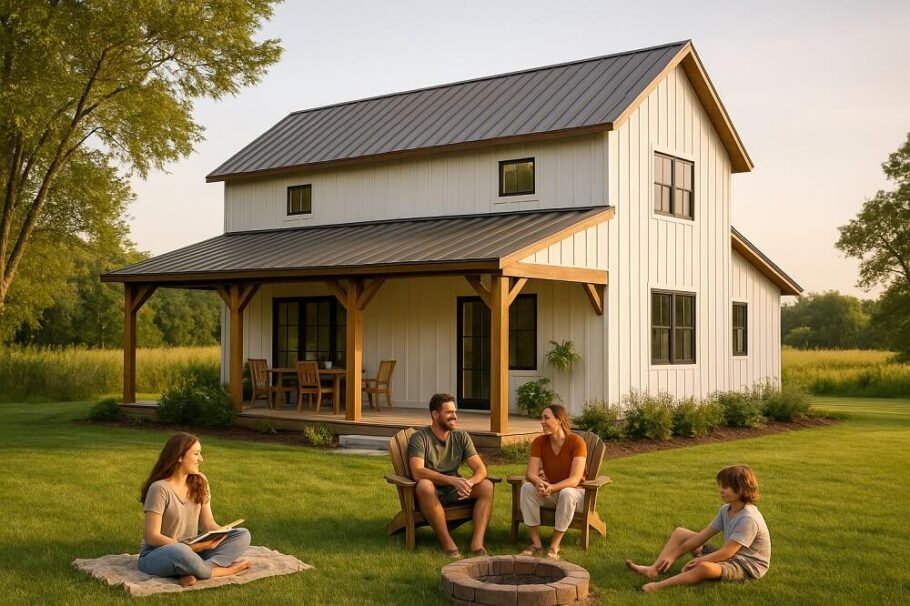
Barndominium construction is often marketed as faster, simpler, and more affordable than traditional home building. And in many ways, that’s true. But anyone who has actually built a barndominium knows one important reality: delays happen. Weather changes, material shortages, inspection issues, subcontractor scheduling, and design changes can all stretch your timeline.
The good news is this: delays do not have to destroy your project. With the right planning, mindset, and management strategies, you can control their impact and keep your barndominium build moving forward with confidence.
This guide explains why barndominium delays happen, how to prevent many of them, and how to professionally manage the ones you cannot avoid.
Understanding Why Barndominium Projects Get Delayed
Before you can manage delays, you need to understand their sources. Most barndominium delays fall into five main categories.
Design and Planning Gaps
Incomplete plans, unclear structural details, or missing engineering documents can stop a project before it even begins. If your drawings lack clarity, contractors and inspectors will require revisions.
Permitting and Inspection Issues
Local building departments can move slowly. A single correction request can add weeks. Some jurisdictions are still unfamiliar with barndominiums, which can lead to extra scrutiny.
Material Supply Problems
Steel panels, trusses, windows, insulation, and specialty items may have long lead times. One missing component can halt an entire phase of construction.
Labor and Subcontractor Scheduling
Electricians, plumbers, concrete crews, and framers often work on multiple projects. If your project is not well-coordinated, you can lose your place in their schedule.
Weather and Site Conditions
Rain, extreme heat, flooding, or poor soil conditions can delay foundations, framing, and exterior work.
Understanding these risks allows you to plan for them instead of reacting emotionally when they appear.
Build a Delay-Resistant Construction Plan
The strongest weapon against delays is preparation.
Finalize All Plans Before Breaking Ground
Do not start construction with “we’ll figure it out later” details. Structural layouts, electrical locations, plumbing paths, HVAC planning, and window sizing must be complete.
Changes made during construction always cost time and money.
Order Long-Lead Items Early
Windows, doors, metal panels, trusses, and custom components should be ordered as soon as your plans are approved. Even if they arrive early, storage is easier than waiting.
Confirm Inspection Requirements in Advance
Speak with your local building office before construction begins. Ask for:
- Required inspection stages
- Typical approval timelines
- Common correction issues for barndominiums
This simple step prevents surprise delays.
Create a Realistic Construction Timeline
Optimistic schedules cause frustration. Realistic schedules protect your peace of mind.
A good barndominium timeline should include:
- Built-in buffer days for weather
- Extra time for inspections
- Gaps between major trade phases
- Delivery cushions for materials
Instead of saying “six months,” think “six months plus contingency.” When delays occur, you stay calm instead of panicked.
Communicate Like a Project Manager
Poor communication is one of the biggest causes of unnecessary delays.
Hold Regular Progress Check-Ins
Weekly check-ins with your builder or key subcontractors keep everyone aligned. You should always know:
- What was completed
- What is coming next
- What could block progress
Document Everything
Use email or written messages for approvals, changes, and confirmations. This avoids confusion and protects you if disputes arise.
Ask Questions Early
If something looks wrong, address it immediately. Small issues become big delays when ignored.
Manage Design Changes Without Stopping the Project
Design changes are common in barndominium builds. The problem is not change itself, but how it is handled.
Evaluate Impact Before Approving
Before approving any change, ask:
- Will this affect inspections?
- Will it delay materials?
- Will it impact other trades?
Group Changes Together
Multiple small changes at different times cause repeated delays. Combine revisions into single decisions whenever possible.
Lock Certain Phases
Once foundation, framing, and roofing start, commit to those layouts. Structural changes later are expensive and time-consuming.
Stay Ahead of Inspection Delays
Inspection delays are one of the most frustrating parts of construction.
Schedule Early
Book inspections as soon as a phase is close to completion, not after it is finished.
Pre-Inspect Internally
Have your builder or foreman review the work before the official inspector arrives. Catching mistakes early saves days or weeks.
Attend When Possible
Being present helps you understand comments directly instead of waiting for reports.
Control Material Delivery Chaos
Materials arriving late or in the wrong order can stop progress instantly.
Create a Material Tracking List
Track:
- Order date
- Supplier
- Expected delivery
- Actual delivery
- Storage location
Confirm Deliveries Weekly
Do not assume suppliers will update you. Call or email regularly.
Inspect Immediately Upon Arrival
Damaged or missing materials must be reported instantly to avoid further delays.
Keep Subcontractors Aligned
Subcontractors often cause delays not from poor work, but from scheduling conflicts.
Confirm Schedules in Writing
A simple written confirmation helps ensure they prioritize your project.
Avoid Gaps Between Trades
Coordinate so one trade finishes as the next begins. Idle time is hidden delay.
Pay Promptly
Reliable payment keeps your project respected and prioritized.
Protect Your Budget During Delays
Time delays often create financial pressure.
Understand Carrying Costs
Loan interest, rental housing, storage, and utilities all add up during delays.
Set a Contingency Fund
A realistic contingency for barndominium builds is 10–15% of your construction budget.
Avoid Emotional Spending
Delays make people want to “upgrade” to feel better. Stay disciplined.
Maintain a Professional Mindset
Construction delays are emotionally draining. How you handle them affects your entire experience.
Separate Emotion from Decision-Making
Frustration leads to rushed decisions. Calm planning leads to better outcomes.
Focus on Progress, Not Perfection
Every build has setbacks. Success is finishing strong, not finishing flawlessly.
Remember the End Goal
Your barndominium is a long-term asset. A few extra weeks or months are minor in the life of your home.
When to Push and When to Wait
Not all delays should be fought.
Push When:
- Work is being neglected
- Materials were ordered late due to oversight
- Communication is poor
Wait When:
- Weather is unsafe
- Structural quality could be compromised
- Inspection rules require correction
Knowing the difference saves both time and money.
Turn Delays Into Improvement Opportunities
Delays can actually help if used wisely.
Use waiting time to:
- Recheck interior layouts
- Plan furniture placement
- Review energy efficiency upgrades
- Improve storage design
- Refine lighting plans
Smart owners turn delay time into design refinement time.
Final Thoughts
Barndominium construction delays are not a sign of failure. They are a normal part of building any custom structure. What separates successful projects from stressful ones is not the absence of delays, but the ability to manage them professionally.
By planning thoroughly, communicating clearly, tracking materials, coordinating trades, and maintaining a calm mindset, you can guide your barndominium project through delays without sacrificing quality, budget, or peace of mind.
Your barndominium is more than a building. It is a long-term lifestyle investment. Managing delays correctly ensures that when you finally walk through your front door, you do so with pride instead of regret.