
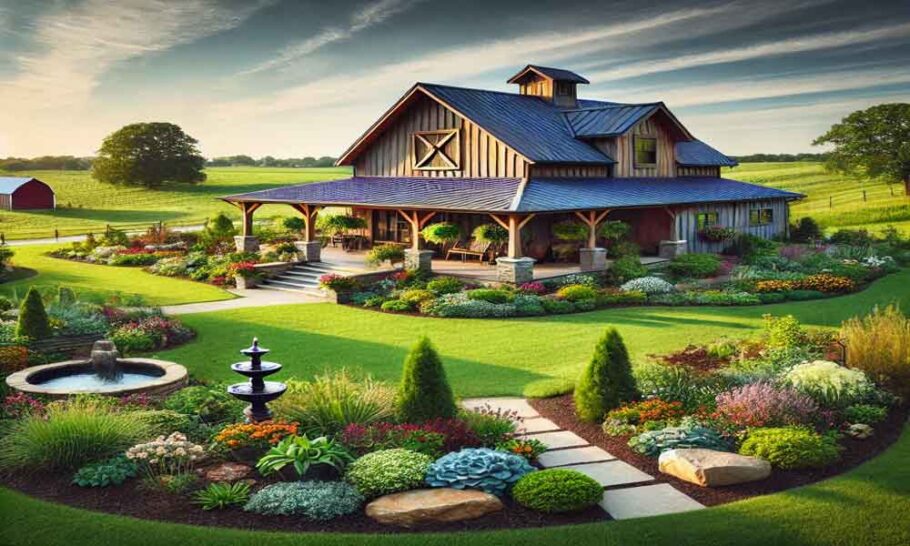
The greenhouse barndominium is an innovative evolution of two already popular concepts: the durable, flexible barndominium and the productive, climate-controlled greenhouse. By combining living space with integrated growing areas, this design approach creates a home that supports sustainable living, food independence, and a deeper connection to nature. As more homeowners look for resilient, energy-efficient housing solutions, greenhouse barndominiums are emerging as a practical and forward-thinking option.
This article explores what a greenhouse barndominium is, how it works, design strategies, structural considerations, energy performance, and the lifestyle benefits that come with blending residential and agricultural spaces under one roof.
What Is a Greenhouse Barndominium?
A greenhouse barndominium is a barndominium that incorporates a dedicated greenhouse space as part of the main structure. Unlike a detached greenhouse, this growing area is physically connected to the home, often sharing walls, roofs, or mechanical systems. The greenhouse may be fully enclosed with glass or polycarbonate panels, partially enclosed, or designed as a sunspace or conservatory that serves both as a growing zone and a thermal buffer.
The core idea is synergy. The barndominium provides structural strength, open-span flexibility, and cost efficiency, while the greenhouse adds solar gain, food production, and environmental control. Together, they form a hybrid building that supports both comfortable living and year-round cultivation.
Why Homeowners Are Drawn to Greenhouse Barndominiums
The appeal of greenhouse barndominium design goes beyond aesthetics. It reflects a broader shift toward self-sufficiency, sustainability, and smarter land use.
One of the primary motivations is year-round food production. By integrating a greenhouse directly into the home, residents can grow vegetables, herbs, fruits, and even small trees regardless of outdoor climate conditions. This is especially valuable in regions with cold winters or extreme heat.
Energy efficiency is another key driver. A well-designed greenhouse can act as a passive solar collector, capturing heat during the day and slowly releasing it into adjacent living spaces. This reduces heating demands and stabilizes indoor temperatures.
Lifestyle also plays a role. Living next to greenery improves mental well-being, air quality, and daily comfort. The greenhouse becomes a calming transition space between indoors and outdoors, blurring the boundary between home and nature.
Core Layout Concepts for Greenhouse Barndominiums
There is no single layout that defines a greenhouse barndominium. The design can be adapted to property size, climate, budget, and personal priorities.
One common approach is the linear attachment layout. In this configuration, the greenhouse runs along the south-facing side of the barndominium. This maximizes solar exposure and allows the greenhouse to function as a thermal buffer zone between the outdoors and main living areas.
Another option is the courtyard or atrium layout. Here, the greenhouse is positioned in the center of the structure or enclosed by living spaces on multiple sides. This creates a dramatic visual focal point and allows light to penetrate deep into the home.
Some designs use a partially integrated greenhouse, where only a portion of the barndominium envelope transitions into greenhouse construction. This might include a double-height growing wall, a sunroom-style garden, or a hybrid living-grow space that can be seasonally adjusted.
Structural Considerations in Greenhouse Integration
Structurally, greenhouse barndominiums require careful planning. Barndominiums are typically built using post-frame or steel-frame construction, both of which work well for greenhouse integration due to their long spans and minimal interior load-bearing walls.
The greenhouse portion often uses lighter framing materials combined with transparent or translucent panels. Polycarbonate panels are popular because they are impact-resistant, lightweight, and provide excellent insulation compared to single-pane glass. In higher-end designs, insulated glass units may be used for improved thermal performance.
Connection points between the greenhouse and living space must be detailed carefully. Moisture control, thermal bridging, and differential expansion between materials all need to be addressed. Proper flashing, vapor barriers, and drainage systems are essential to protect the main structure.
Roof design is another critical factor. Sloped greenhouse roofs optimize solar gain and water runoff, while barndominium roofs may be gabled, shed-style, or monitor roofs. Aligning these rooflines cohesively ensures both functional performance and visual harmony.
Climate-Zone-Specific Design Strategies
Climate plays a major role in greenhouse barndominium success. What works in a cold northern region will differ from designs suited for hot or humid climates.
In colder climates, the greenhouse is often designed as a passive solar heater. South-facing glazing captures low-angle winter sun, while thermal mass elements like concrete floors, masonry walls, or water barrels store heat during the day and release it at night. Insulated north walls and operable vents help manage heat retention.
In hot climates, the focus shifts to ventilation and shading. Greenhouse spaces may include retractable shade cloths, operable roof vents, and high-volume airflow paths. Some designs use the greenhouse as a seasonal space that can be isolated from the home during peak summer months.
In mixed climates, flexibility is key. Movable partitions, automated ventilation systems, and adaptable planting strategies allow the greenhouse to perform efficiently year-round without overheating or excessive energy use.
Energy Efficiency and Passive Solar Benefits
One of the most compelling advantages of greenhouse barndominium design is energy performance. When designed correctly, the greenhouse becomes part of the home’s passive energy system.
During cooler months, solar heat gain from the greenhouse reduces reliance on mechanical heating. Warm air can be circulated into living areas through vents or shared walls. Even when not actively transferred, the greenhouse buffers outdoor temperature swings, reducing heat loss through exterior walls.
Daylighting is another benefit. Natural light from the greenhouse reduces the need for artificial lighting in adjacent rooms. This is particularly effective in open-plan barndominiums where light can travel deep into the interior.
Some homeowners integrate renewable energy systems such as solar panels, geothermal heating, or rainwater harvesting to further enhance sustainability. The greenhouse complements these systems by reducing overall energy demand and supporting water reuse for irrigation.
Interior Design and Living Experience
From an interior design perspective, greenhouse barndominiums offer unique opportunities. Large interior windows or sliding glass walls create constant visual connection to the plants and changing seasons.
The greenhouse can serve multiple functions beyond food production. It may act as a dining space, reading area, yoga room, or informal gathering zone. In some designs, it becomes the heart of the home, anchoring daily life around light, warmth, and greenery.
Material selection inside the living areas often reflects this connection to nature. Exposed wood, concrete floors, natural stone, and neutral color palettes help tie the greenhouse and residential spaces together visually.
Acoustics and humidity control should not be overlooked. Plants, water features, and soil can increase moisture levels, so proper ventilation and dehumidification are important to maintain indoor comfort.
Maintenance and Operational Realities
While greenhouse barndominiums offer many benefits, they also require a commitment to maintenance. Plants need regular care, and greenhouse systems such as vents, irrigation, and shading devices must be monitored.
Condensation management is a common concern. Without proper airflow and insulation, moisture can accumulate on glazing and structural components. Automated ventilation systems and humidity sensors help address this issue.
Seasonal adjustments are part of the lifestyle. Planting schedules, shading strategies, and temperature control methods change throughout the year. For many homeowners, this hands-on involvement is a feature rather than a drawback, reinforcing a more intentional way of living.
Cost Considerations and Long-Term Value
The cost of a greenhouse barndominium varies widely depending on size, materials, and level of integration. Adding a greenhouse does increase initial construction costs compared to a standard barndominium, primarily due to specialized glazing, environmental controls, and detailing.
However, long-term savings can offset these costs. Reduced grocery expenses, lower energy bills, and increased property value all contribute to overall return on investment. For homeowners who value sustainability and self-reliance, the intangible benefits often outweigh purely financial metrics.
From a resale perspective, greenhouse barndominiums appeal to a growing niche market interested in eco-conscious living. Clear documentation of systems, energy performance, and maintenance practices can enhance buyer confidence.
Is a Greenhouse Barndominium Right for You?
A greenhouse barndominium is not a one-size-fits-all solution. It works best for individuals or families who enjoy gardening, value sustainable design, and are willing to engage actively with their home’s systems.
If you prioritize flexibility, resilience, and a strong connection to nature, this design approach offers a powerful way to rethink residential architecture. By merging living space with productive growing environments, the greenhouse barndominium represents a future-forward model of housing that responds to both environmental challenges and human well-being.
As interest in sustainable living continues to grow, greenhouse barndominiums stand out as an example of how thoughtful design can turn a home into a living system rather than just a shelter.