
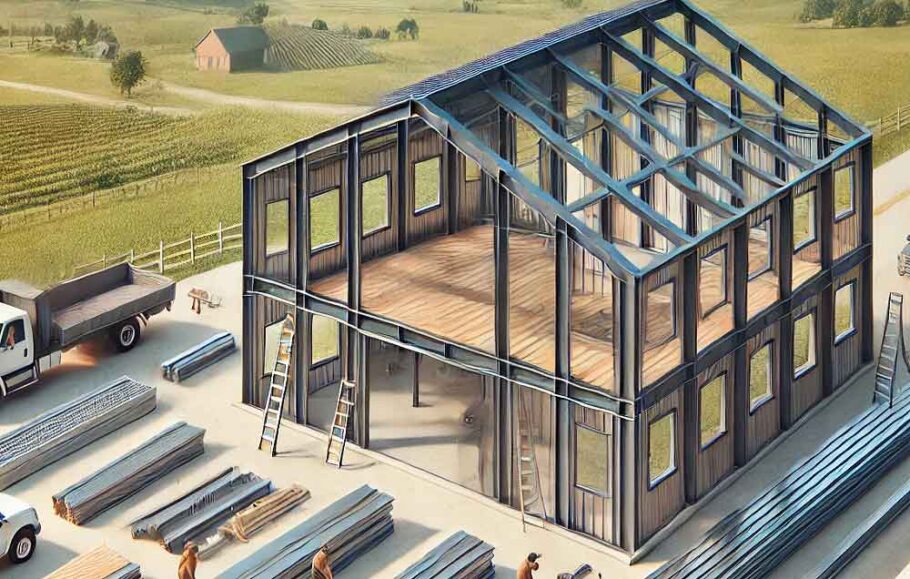
The barndominium is having a moment. Combining the rugged utility of a barn with the comfort of a modern home, this architectural style offers freedom, durability, and a unique aesthetic that standard stick-built homes often lack. While a new build offers the promise of modern efficiency and clean lines, there is a way to inject instant character and soul into these structures: incorporating used materials.
Using salvaged goods isn’t just about saving money—though it certainly helps the budget. It is about sustainability, history, and texture. A brand-new metal shell can feel sterile; introducing reclaimed elements grounds the structure, making it feel lived-in and authentic. However, not all salvage is created equal. In a barndominium, where structural integrity and modern building codes must be respected, choosing the right materials is key.
Here is a breakdown of used materials that perform exceptionally well in a new barndominium build, balancing rugged charm with modern functionality.
1. Reclaimed Timber and Barn Wood
This is the most obvious choice, but it remains the most impactful. Nothing says “barndominium” quite like the warm, deep tones of aged wood.
- Where it works: Accent walls, ceiling beams, stair treads, and kitchen islands.
- The Benefit: Old growth timber is denser and more stable than modern lumber. It holds stains and finishes beautifully and provides a warmth that prevents the metal exterior from feeling cold.
- The Caveat: Reclaimed wood often comes with hidden nails, bugs, or moisture. It must be kiln-dried and meticulously inspected before installation to ensure it doesn’t warp or rot inside the home. Using it structurally is rarely worth the engineering headache; use it as a veneer or decorative wrap over modern structural framing.
2. Vintage Brick and Stone
Barndominiums often feature large, open-concept living areas. Large expanses of drywall can feel monotonous. Reclaimed brick or stone offers a way to break up space while adding acoustic dampening and thermal mass.
- Where it works: Interior fireplace surrounds, backsplashes, or as an accent wall in a dining area.
- The Benefit: Old brick carries a patina that cannot be replicated. It adds a textural contrast to the metal siding and polished concrete floors often found in these homes.
- The Caveat: Cleaning old mortar off brick is labor-intensive (and messy). Furthermore, older brick can be porous. If using it in a wet area like a shower or backsplash, it must be sealed properly to prevent water damage.
3. Corrugated Metal and Roofing Panels
Since the barndominium is already a metal-centric build, using vintage metal is a natural fit. It creates a cohesive look that ties the interior to the exterior.
- Where it works: Wainscoting, interior sliding barn doors, shower surrounds, and ceiling panels.
- The Benefit: It is lightweight, easy to install (often just screwed into place), and incredibly durable. Using used metal panels with a bit of rust or faded paint adds an industrial edge that feels intentional rather than chaotic.
- The Caveat: Sharp edges are a hazard. All cut edges must be framed or finished. Also, if using old roofing panels, ensure they have not been coated in lead-based paint or toxic sealants.
4. Vintage Doors and Windows
Salvaged doors and windows offer a level of craftsmanship—solid wood, true divided lites, heavy glass—that is expensive to buy new.
- Where it works: Interior doors, pantry doors, and decorative windows that do not need to meet modern energy codes (e.g., an interior wall looking into a hallway).
- The Benefit: These items serve as instant focal points. An antique church door or a set of factory windows can become a piece of art.
- The Caveat: Safety first. Old windows are notoriously drafty and lack modern safety glass. Using them on an exterior wall of a barndominium is a recipe for high energy bills. Use them on interior walls or as “faux” windows, or plan to have a professional retrofit them with modern glass and weatherstripping if used externally.
5. Architectural Salvage and Fixtures
The details make the home. Barndominiums often lean into an industrial or farmhouse aesthetic, both of which benefit from vintage hardware.
- Where it works: Lighting (pendants, sconces), faucets, cabinet hardware, and clawfoot tubs.
- The Benefit: Vintage fixtures are often made of solid brass, copper, or iron, which are far superior in quality to modern builder-grade plastics and alloys. A restored 1920s sink or a vintage trough sink adds undeniable character.
- The Caveat: Plumbing fixtures from the early 20th century may not meet current flow rates or safety standards. They need to be refurbished and tested. Electrical fixtures must be re-wired to modern standards to pass inspection—this is not a DIY task for the inexperienced.
6. Reclaimed Insulation and Structural Elements
While less glamorous, used materials can serve the bones of the building.
- Where it works: Rigid foam insulation boards (often salvaged from commercial roofs) can be used under slabs or on exterior walls.
- The Benefit: It is a highly cost-effective way to achieve a tight building envelope.
- The Caveat: Reclaimed insulation can harbor mold or pests if sourced from a water-damaged building. Rigid foam is generally safe if clean, but batt insulation (the fluffy pink stuff) is almost never worth salvaging due to degradation and contamination risks.
The Golden Rule of Salvage in a Barndominium
The barndominium is a hybrid structure. It is a modern home wrapped in a utilitarian skin. When incorporating used materials, the golden rule is simple: Use salvage for character, and new materials for performance.