
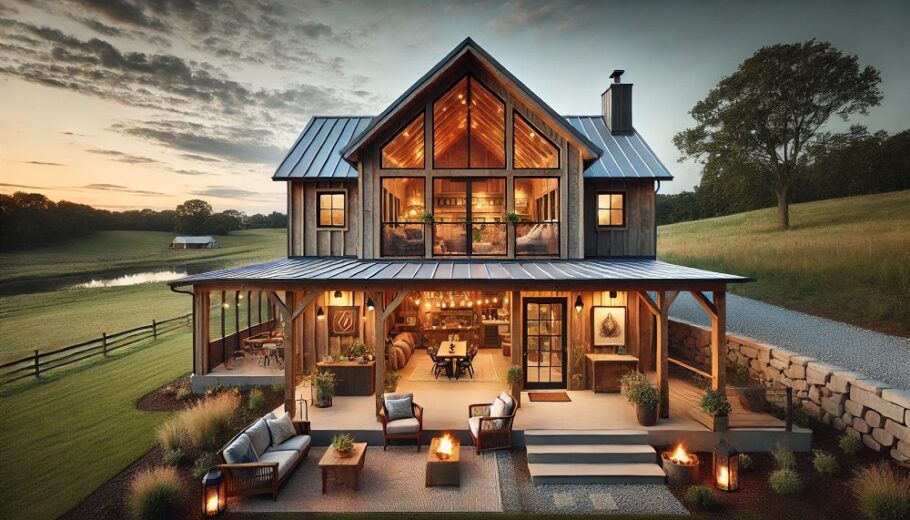
Barndominiums are celebrated for their open layouts, soaring ceilings, and flexible floor plans. But one design feature that is rapidly becoming a homeowner favorite is the upstairs retreat—a tucked-away, cozy, functional space that sits above the buzz of everyday life. Whether it’s a loft overlooking the great room, a serene private suite, a multi-purpose family space, or even a studio-level hideaway, an upstairs retreat transforms a barndominium into a layered, livable, and uniquely personal home.
Designing a barndominium upstairs retreat requires thoughtful planning. You must balance privacy with connection, take advantage of the building’s structural features, and create a space that feels intimate despite being part of a wide-open architectural form. In this guide, we’ll break down everything you need to know—from conceptual planning and layout arrangements to materials, lighting, storage, and lifestyle considerations—to design an upstairs space that feels like a true retreat.
Why Add an Upstairs Retreat to a Barndominium?
Barndominiums naturally lend themselves to tall ceilings and open spans thanks to their post-frame or steel-frame structures. These frames make it simple to support a second story without complex engineering or large load-bearing walls. Adding an upstairs retreat offers several advantages:
Extra Privacy:
In a home where the main level often features open-concept living, the upper floor creates a secluded escape for rest or focus.
Smart Space Utilization:
Lofts, mezzanines, and full second stories allow homeowners to maximize vertical space, making the most of the barndominium’s generous ceiling height.
Multiple Lifestyle Options:
Retreats can serve as offices, guest suites, entertainment rooms, study zones, or even secluded spa-like escapes.
Enhanced Property Value:
A well-designed second-story retreat is a major selling point, especially when buyers want flexible living options.
With these benefits in mind, let’s explore the thoughtful design elements that turn an upstairs space into a true sanctuary.
Consider the Purpose of the Upstairs Retreat
Before selecting finishes or arranging furniture, decide what your retreat should accomplish. Your purpose dictates the layout, lighting, materials, and utilities required.
- A Cozy Loft Lounge
Ideal for families and empty nesters alike, a loft creates a visible yet elevated area for relaxation. It’s perfect for reading, movie nights, quiet work sessions, or simply enjoying elevated views of the main living area. - A Private Owner’s Suite
Using the upstairs as the primary bedroom suite offers both luxury and privacy. Add a walk-in closet, spa-inspired bathroom, and perhaps a balcony overlooking the yard. - Guest Suites or Multi-Guest Bunk Rooms
Designing a retreat for guests gives them space and independence. Bunk rooms are especially popular for families who frequently host relatives. - A Hobby or Work Studio
Upstairs retreats make excellent art studios, home offices, craft rooms, or music spaces—areas that benefit from seclusion and quiet. - A Kids’ or Teens’ Hangout
A designated hangout zone keeps noise, games, and activities upstairs while preserving peace downstairs.
Once the purpose is clear, the rest of the design falls naturally into place.
Deciding on the Structural Form: Loft, Partial Floor, or Full Second Story
Your barndominium’s structure determines how much space you can work with upstairs. Each configuration has its own feel and functionality.
Loft Retreat
A loft is open to the level below, usually overlooking the living room. This gives an airy, connected feeling and maintains the barndominium’s iconic spaciousness. It’s perfect for small lounges, offices, or reading areas.
Partial Second Story
This design creates a mix of open loft areas and fully enclosed rooms. It maintains connection to the main level without sacrificing privacy.
Full Second Story
A complete upper floor offers maximum square footage and full privacy. This is ideal for multiple bedrooms, guest suites, or an entire owner’s wing.
The right choice depends on the size of your barndominium and desired level of separation.
Layout Planning for an Upstairs Retreat
Thoughtful layout planning enhances both function and comfort.
Placement of Stairs
The staircase location sets the tone for upstairs access. Common placements include:
- Open stairs rising from the living room
- Side-entry stairs near the mudroom
- Behind-pocket stairs for private suite access
- Floating or switchback staircases for design flair
Consider whether you want the retreat to feel public or private, and plan stair visibility accordingly.
Noise Control
Even with an upstairs retreat, noise can travel. Strategies to improve acoustic comfort include:
- Carpet or cork flooring
- Insulated interior walls and ceilings
- Acoustic panels or wood slats
- Heavier doors for bedrooms or offices
Using materials that absorb sound helps create a true sanctuary.
Traffic Flow
Design hallways wide enough for comfort but not so wide that you lose square footage. Avoid wasted corner spaces by using built-ins, cozy nooks, or shelving along the walls.
Maximizing Natural Light in the Upstairs Space
Barndominiums often feature large windows on the main floor—but upstairs design must intentionally capture natural light.
Dormer windows add architectural dimension and bring in beautiful directional light.
Skylights are ideal for studios, bathrooms, and lofts directly under the roofline. They make the upstairs space feel airy and expansive.
Interior windows between the loft and main living area help light flow deeper into the home while maintaining openness.
Light-colored finishes enhance brightness and counterbalance lower ceilings that typically accompany the second floor.
Good lighting is essential for the retreat to feel comfortable, inviting, and useful.
Choosing the Right Materials and Aesthetic Style
Upstairs retreats offer a chance to play with style, especially if you want a slightly different atmosphere from the main level.
Natural Woods
Warm wood tones for flooring, railings, beams, and built-ins create a cozy cabin-like feel—excellent for loft lounges or reading areas.
Industrial Accents
Because barndominiums lean naturally into industrial style, upstairs retreats can incorporate:
- Black metal railings
- Exposed trusses
- Industrial-style sconces
- Iron pipe shelving
These elements create continuity across levels.
Soft, Homey Textures
Layered rugs, upholstered seating, soft throws, and cushioned window seats contribute to a retreat-like vibe that feels restful.
Spa-Inspired Materials
If designing a private suite, use stone tiles, matte finishes, dimmable lighting, and calm neutral colors.
The goal is to make the upstairs feel like a destination—not simply “more house.”
Railings, Safety, and Visual Appeal
Railings are central to the upstairs retreat’s design, especially for lofts or mezzanines.
Popular options include:
- Cable railings for a modern, airy look
- Wrought iron for rustic charm
- Glass panels for unobstructed views
- Wood railings for a warm, traditional aesthetic
Make safety a priority by ensuring proper railing heights and spacing. Choose materials that complement the rest of the home’s style while giving the upstairs retreat its own personality.
Smart Storage Solutions
Upstairs square footage can be limited by roof lines or structural beams. Smart storage keeps the retreat uncluttered.
Consider:
- Built-in window seats with storage compartments
- Knee-wall cabinets in sloped-ceiling areas
- Under-eave drawers
- Floating shelves
- Corner wardrobes
- Loft-side bookcases
- Storage built into staircases
When designed thoughtfully, storage can enhance rather than interrupt the retreat’s ambience.
Lighting Design for Atmosphere and Function
Lighting transforms an upstairs retreat from functional to truly luxurious.
Combine these layers:
Ambient Lighting
Flush mounts, semi-flush fixtures, or LED ceiling tracks give general illumination.
Task Lighting
Install desk lamps, reading sconces, or focused pendant lights for activity zones.
Accent Lighting
Wall sconces, under-shelf lighting, and uplighting highlight architectural features and create mood.
Dimmer switches are essential for adjusting brightness throughout the day.
For bedrooms or bunk rooms, softer lighting helps create a sense of serenity, while studios or offices require brighter, targeted illumination.
Designing for Comfort: HVAC, Privacy, and Acoustics
Comfort is a key component of a successful upstairs retreat.
Temperature Control
Heat rises, making upstairs spaces warmer in summer. Ensure proper:
- Ductwork or mini-split units
- Insulation
- Ventilation
- Ceiling fans
- Window treatments for light control
Privacy Considerations
Especially important if the retreat is a guest suite or owner’s suite:
- Add solid-core doors
- Use frosted or tinted glass for bathroom windows
- Create separation between bedrooms and loft areas
Acoustic Comfort
Soft furnishings, rugs, drapery, and wall panels help quiet the space.
Furnishing the Upstairs Retreat
The right furniture completes the design.
Loft Retreats
Use lightweight, versatile pieces such as loveseats, poufs, reading chairs, or small desks.
Owner’s Suites
Opt for statement beds, luxurious linens, and well-placed seating areas.
Kids’ Retreats
Choose durable furniture—bean bags, gaming chairs, bunk beds, storage-friendly desks.
Studios/Offices
Use ergonomic seating, organized shelving, and adjustable work surfaces.
Keep scale in mind. Oversized furniture can overwhelm the space, especially in areas with sloped ceilings.
Adding Personal Touches to Make the Space Special
Because the upstairs retreat is usually more private, it’s a great place to showcase personal style.
Add:
- Artwork collections
- Plants
- Cozy throws
- A personal library
- Acoustic guitars or instruments
- Hobby displays
- Custom built-ins
These small touches make the upstairs retreat truly your own.
Final Thoughts: An Upstairs Retreat Adds Depth and Character to Your Barndominium
A barndominium upstairs retreat offers the perfect blend of privacy, comfort, and functional space. Whether you want a calming bedroom sanctuary, a family hangout, a creative studio, or a guest-friendly zone, the upstairs level can transform your home’s personality and practicality.
By planning your layout carefully, using the right materials, maximizing light, and designing with comfort and lifestyle needs in mind, you can create an upstairs retreat that feels both charming and deeply functional. It becomes more than just an elevated room—it becomes a destination, an escape, and one of the most treasured spaces in your barndominium.