
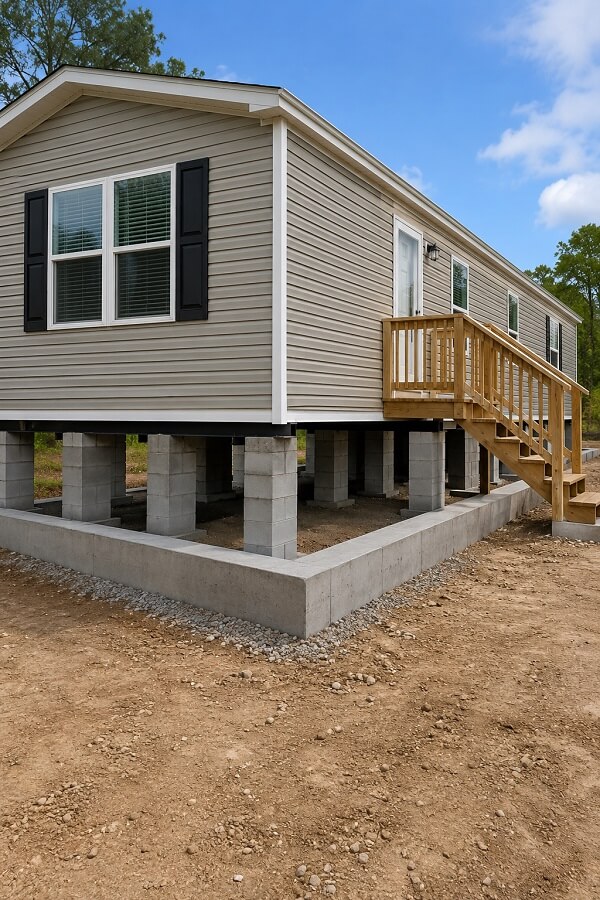
For those living in regions prone to hurricanes, tornadoes, wildfires, and severe winter storms, the concept of home has evolved. It is no longer just a sanctuary for daily life; it is a primary asset in a survival strategy. This shift in thinking has brought the barndominium into the spotlight. With its robust steel frame and open-source design, this style of home offers a unique canvas for integrating high-level, built-in safety features that go far beyond a basic storm cellar.
A barndominium is not simply a metal building finished with living quarters. Its inherent construction provides a significant strategic advantage when preparing for the worst. The core structure—a steel frame and metal sheathing—is fundamentally more resilient than traditional wood-frame construction. This foundation allows for the seamless addition of advanced preparedness systems that can be designed into the home from the ground up, creating a fortress of safety without sacrificing comfort or style.
The Inherent Strength of the Steel Shell
The first layer of defense in any disaster preparedness plan is the structure itself. The very nature of a barndominium offers a head start.
- Wind and Impact Resistance: The welded steel frame of a barndominium is exceptionally strong. Unlike wood, which can splinter and fail under stress, steel flexes and absorbs incredible force. When clad in heavy-gauge metal siding and roofing, the structure can withstand high winds from hurricanes and tornadoes, as well as impacts from flying debris. This creates an immediate, secure envelope for the entire family.
- Fire Resistance: In wildfire-prone areas, the non-combustible nature of a metal exterior is a critical advantage. Embers are the primary cause of home ignition during a wildfire. A metal roof and siding provide a Class A fire rating, offering the highest level of protection against fire spread from the outside in.
These features are not add-ons; they are intrinsic to the barndominium’s design. This allows resources to be focused on the internal systems that make the home a self-sufficient hub during a crisis.
Beyond the Shell: Engineering the Interior for Survival
A strong shell is the beginning. True emergency preparedness is built into the home’s internal infrastructure, ensuring safety and functionality when outside services fail.
A Safe Room as a Core Component
For regions in the path of tornadoes or extreme wind events, a designated safe room is non-negotiable. In a barndominium, this can be integrated into the central layout of the home, such as a reinforced master closet, a large pantry, or a dedicated basement room.
The construction of this room is key. It would feature a concrete or reinforced masonry core, independent of the main structure’s framing. A steel door, designed to withstand high-impact forces, secures the entrance. Because the barndominium’s design is often planned before construction, this safe room can be seamlessly incorporated, looking like a normal part of the home while serving as a life-saving shelter.
Redundant Power and Water Systems
When the grid goes down, a home’s viability depends on its ability to operate independently. A prepared barndominium can feature a multi-layered approach to utilities.
- Solar Power with Battery Backup: The expansive, unshaded roof of a barndominium is an ideal platform for a large solar array. This system, paired with a powerful battery bank, can keep critical systems—refrigeration, medical equipment, well pumps, and communication devices—running for days or even weeks. The system can be designed to automatically switch over the moment the grid fails.
- Whole-Home Generator: For a secondary or supplementary power source, a standby generator fueled by propane or natural gas can be installed. It can be sized to run the entire home, providing a sense of normalcy during extended outages.
- Water Independence: A private well is a common feature for rural barndominium properties. To ensure it functions during a power outage, the well pump can be wired to the solar battery system or generator. Furthermore, integrating a large cistern for rainwater collection can provide a non-potable water source for sanitation, while a comprehensive filtration system can make it potable in a pinch.
The Prepared Pantry and Food Security
The open-concept layout of a barndominium often allows for a substantial pantry space. This can be designed not just for daily groceries, but as a long-term food storage area. With ample shelving and climate control, it can hold months’ worth of non-perishable goods, ensuring the family is fed even if supply chains are disrupted. A dedicated root cellar or a temperature-controlled section can further extend storage capabilities.
Designing for the Aftermath: Communication and Sanitation
Surviving the event is the first step. The following days and weeks require planning for communication and basic hygiene.
- Communication Hub: A designated area in the home can be set up as an emergency communication center. This includes a hardwired phone line, a hand-crank or battery-powered radio, and potentially a HAM radio or satellite phone for when cell towers are down. Charging stations for devices can be integrated into the solar circuit.
- Sanitation Systems: If the municipal sewer system fails, a barndominium on a septic system has a natural advantage. However, the system requires electricity to pump. Wiring the septic system to the backup power source is essential. For a more robust plan, a composting toilet can be installed in a bathroom, providing a waterless sanitation option. Storing a supply of heavy-duty trash bags, buckets, and disinfectants is a simple but effective measure for managing waste.
A Proactive Mindset
Building a barndominium with emergency preparedness in mind is a proactive choice. It is an acknowledgment that self-reliance and safety are paramount. These features—from the fire-resistant metal shell to the integrated safe room and off-grid power systems—are not merely amenities. They are the components of a comprehensive safety net.
By thinking of the home as a critical piece of infrastructure, a barndominium can be transformed from a simple dwelling into a resilient, self-sufficient fortress. It provides not just shelter from the storm, but the resources and security to weather the aftermath, ensuring the safety and well-being of its occupants no matter what nature brings.