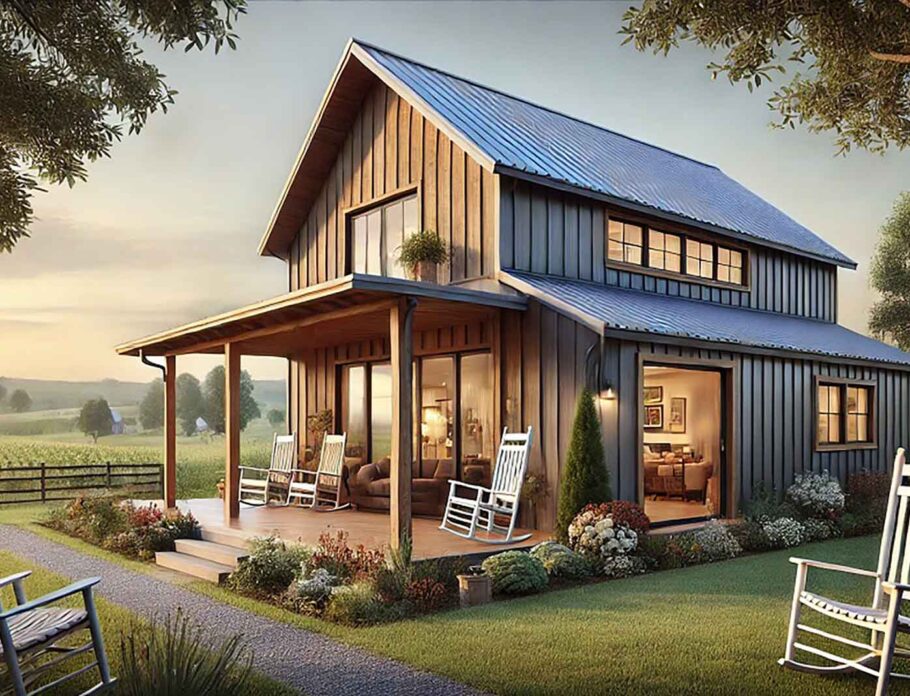
The barndominium trend has reshaped residential architecture, blending the rugged utility of a barn with the comfort of a modern home. While the interior layout and exterior siding often steal the spotlight, the roof plays a far more critical role than mere shelter. It is a defining design element that dictates the structure’s silhouette, energy efficiency, and long-term resilience.
Choosing the right roofing material for a barndominium requires a specific balancing act. Unlike a traditional suburban house, these structures often feature expansive, low-pitched rooflines or massive spans that demand materials capable of handling high winds and temperature fluctuations. Fortunately, the market offers several options that score high on both curb appeal and longevity.
Standing Seam Metal: The Industry Standard
When picturing a barndominium, the mind usually conjures the clean, vertical lines of a metal roof. Standing seam metal is the gold standard for this architectural style. Unlike corrugated panels that are screwed down through the face of the metal—leaving exposed fasteners vulnerable to leaks—standing seam panels feature raised seams that hide the fasteners completely.
From a durability standpoint, this is hard to beat. Standing seam metal roofs shed snow and rain with ease, reflect solar heat to keep cooling costs down, and resist rot, insects, and fire. The lifespan is exceptional, often lasting 50 years or more. Aesthetically, the sleek, continuous lines complement the minimalist and rustic nature of a barndominium, offering a modern, polished finish that painted wood or asphalt cannot replicate.
Stone-Coated Steel: The Best of Both Worlds
For those who love the resilience of metal but crave the texture of traditional roofing, stone-coated steel offers a compelling compromise. This material consists of galvanized steel sheets coated with a layer of acrylic and topped with natural stone granules.
This option provides the impact resistance of metal while mimicking the look of shake, tile, or shingles. It is an excellent choice for barndominiums that lean toward a more rustic or “modern farmhouse” aesthetic rather than an industrial one. The stone coating acts as a shield against UV rays and noise, dampening the sound of heavy rain—a common concern with standard metal roofs. It is heavier than standing seam but far more durable than asphalt, offering a lifespan of roughly 40 to 70 years.
Architectural Shingles: The Budget-Conscious Contender
While metal may be the traditional choice, architectural asphalt shingles remain a popular option for barndominium owners looking to manage costs. Modern architectural shingles are thicker and more textured than the standard three-tab variety, offering a dimensional look that adds depth to a large roof.
However, there are trade-offs. On a massive barndominium roof, standard shingles can look somewhat flat. To make this option work aesthetically, it is crucial to select a high-quality, heavy-weight shingle in a color that complements the siding. While not as durable as metal or stone-coated steel, a high-end architectural shingle can last 25 to 30 years. This option suits climates with moderate weather patterns, though it may struggle in areas prone to severe hail or high winds compared to metal alternatives.
Synthetic Slate and Composite: The Luxury Look
For a high-end barndominium that leans more toward “estate” than “barn,” synthetic slate or composite roofing offers a touch of luxury. These materials are engineered from rubber and plastics to mimic the look of natural slate without the fragile nature or immense weight of real stone.
Composite roofing is highly durable, often rated to withstand hurricane-force winds and severe hail. It offers a distinct, high-end aesthetic that sets the building apart from standard agricultural structures. The downside is the cost; synthetic slate is one of the most expensive options available. However, for those prioritizing a unique look and extreme longevity, the investment can be worthwhile.
The Structural Consideration
Selecting a material isn’t just about looks; it is about physics. Barndominiums often utilize post-frame construction, which creates wide, open spaces inside. This construction style can impact how much weight the roof structure can bear.
Metal and stone-coated steel are relatively lightweight, making them ideal for post-frame construction. Asphalt shingles are heavier, and synthetic slate is heavier still. Before falling in love with a specific look, it is essential to consult with a structural engineer to ensure the frame and trusses are designed to support the dead load of the chosen material, especially in regions that experience heavy snow accumulation.
Color and Profile Matter
The roof accounts for a massive percentage of a barndominium’s exterior surface area. Consequently, color choice is critical. Dark colors, such as charcoal, black, or deep forest green, create a striking contrast against white or light-colored siding and can make the structure feel grounded. Lighter colors, like silver, taupe, or light stone, reflect heat and can make a massive building feel less imposing.
The profile also changes the feel. Standing seam offers a sleek, contemporary vibe, while corrugated metal can offer a more nostalgic, agricultural feel. Stone-coated steel adds texture and shadows, breaking up the vast expanse of the roof.
The Final Verdict
There is no single “best” roof for a barndominium; the ideal choice depends on the climate, the budget, and the desired architectural style. Standing seam metal remains the most popular choice for its perfect marriage of industrial style and unmatched durability. Stone-coated steel provides a beautiful textural alternative for those wanting a more traditional look with modern performance. Whichever route is chosen, prioritizing quality installation is key—a premium material installed poorly will never outperform a good material installed with precision.