
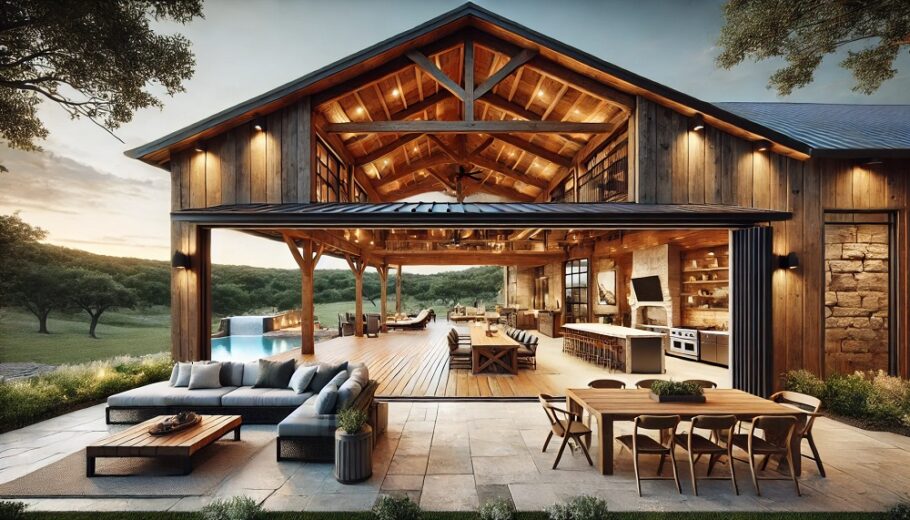
Barndominiums have become one of the most desirable housing styles in the country thanks to their durability, wide-open layouts, and combination of rustic beauty and modern practicality. But while a barndominium is more durable than a typical stick-built home, it isn’t “maintenance-free.” Like any home, it needs regular inspections, seasonal care, and long-term upkeep to maintain its value, protect its structure, and ensure it stays efficient and comfortable.
Long-term care for a barndominium is actually simpler than many homeowners expect—especially because metal buildings naturally resist pests, rot, and many moisture-related issues. Still, ignoring regular upkeep can lead to expensive repairs later. The good news is that with a strategic approach, yearly routines, and a few smart upgrades, you can keep your barndominium performing at its best for generations.
This guide covers everything you should know about barndominium long-term care: structural maintenance, exterior upkeep, interior protection, HVAC and mechanical systems, moisture control, energy efficiency, and even landscaping care that helps protect your home.
Let’s dive into the essentials.
Understanding the Unique Maintenance Needs of a Barndominium
A barndominium is typically constructed with a post-frame or steel-frame structure and metal siding. This gives it inherent advantages over wood-framed homes: greater strength, longer material lifespan, resistance to termites, and faster construction. However, unique materials also mean unique maintenance considerations.
Key maintenance areas include:
- Metal siding and roofing longevity
- Moisture and condensation management
- Insulation performance over time
- HVAC efficiency in open layouts
- Ground grading and drainage
- Door and window sealing
- Preventing corrosion in marine or high-moisture climates
The best long-term care strategy is preventative, not reactive. With yearly and seasonal inspections, small issues never develop into major ones.
Exterior Maintenance: Protecting the Metal Shell
Since the exterior metal shell is your barndominium’s primary protective layer, giving it the attention it deserves is crucial.
Wash the Metal Siding Regularly
Dust, pollen, bird droppings, and mildew can accumulate on metal panels. Over time, these contaminants may affect the protective paint coating. Cleaning your siding once or twice a year extends its lifespan dramatically.
Recommended cleaning approach:
- Rinse with a hose or pressure washer on the lowest safe setting.
- Use a mild detergent mixed with water and a soft brush for stubborn spots.
- Avoid abrasive cleaning pads that can scratch the finish.
Inspect Exterior Screws, Fasteners, and Panels
Metal buildings expand and contract with temperature changes, which can cause screws to loosen slowly over time.
Check for:
- Backed-out fasteners
- Rusted screws
- Warping or shifting panels
- Loose trim or flashing
Tightening or replacing hardware helps prevent water intrusion—a top priority for long-term structural health.
Roof Integrity Checks
Your roof is your barndominium’s first line of defense against extreme weather. Even though metal roofs can last 40–70 years, annual inspections are essential.
Look for:
- Loose or missing screws
- Sealant failure around penetrations (vents, chimneys, skylights)
- Signs of corrosion in coastal areas
- Debris buildup in valleys or gutters
Keeping gutters clear is especially important. When water overflows near the foundation, the risk of slab issues and interior moisture increases.
Watch for Corrosion Early
If you live near the ocean, in humid regions, or in areas with acid rain, corrosion risk increases. Touch-up paint and anti-corrosion sprays can extend the life of your siding and roof by decades.
Moisture Control: Preventing the Silent Enemy
Moisture is the number-one cause of damage in many barndominiums—not because the metal is vulnerable, but because condensation can build inside if the building isn’t managed properly.
Maintain Proper Ventilation
Even the best insulation systems need airflow. Adequate ventilation:
- Reduces humidity
- Prevents mold and mildew
- Keeps temperatures stable
- Lowers HVAC load
Verify that ridge vents, gable vents, mechanical fans, or HVAC dehumidification systems are functioning properly.
Inspect for Condensation
Check these areas regularly:
- Inside ceilings
- Behind drywall (if accessible)
- Under roof panels
- Window interiors
- In attics or mechanical rooms
If you see water droplets, rust trails, or mildew, address the root cause quickly—usually a ventilation or insulation issue.
Maintain Vapor Barriers and Insulation
Most barndominiums use spray foam or batt insulation with vapor barriers. Over years, foam can shrink or crack, and batt insulation can sag.
Warning signs include:
- Higher energy bills
- Drafty rooms
- Unexplained humidity changes
- Cold spots on walls
Reapplying foam or re-stapling insulation drastically improves long-term comfort and reduces structural strain.
Interior Maintenance: Keeping the Living Space Healthy
While the exterior protects the structure, interior care ensures lasting comfort and beauty.
Check Windows and Doors Annually
Barndominiums often have large windows and extra-wide doors, which makes sealing especially important.
Inspect for:
- Drafts
- Cracked or shrinking seals
- Condensation between window panes
- Warped frames
Fixing small sealing issues can save hundreds in heating and cooling costs.
Maintain Flooring According to Material
Whether you have polished concrete, engineered wood, vinyl, or tile, each flooring type has specific long-term care needs:
- Concrete may need resealing every 2–5 years.
- Engineered wood benefits from humidity control.
- Luxury vinyl requires regular cleaning and scratch prevention.
- Tile needs grout resealing occasionally.
Keep the Open-Concept Layout Balanced
Barndominiums are known for big, airy spaces—but large rooms require consistent temperature and humidity to prevent material expansion, warping, or cracking.
Long-term tips include:
- Using ceiling fans to circulate air
- Running dehumidifiers in hot climates
- Using programmable thermostats
A controlled interior environment equals fewer maintenance issues.
HVAC and Mechanical Systems: Long-Term Performance Tips
A well-maintained HVAC system is vital in a barndominium due to its large volume of air and minimal interior load-bearing walls.
Change Filters Regularly
You may need to change filters more frequently than in a traditional home—every 1–2 months—especially if:
- You live in a dusty rural area
- You have pets
- You use your HVAC system continuously
Clean filters reduce energy consumption and prolong your system’s lifespan.
Service the HVAC System Twice a Year
Professional checkups should include:
- Inspecting refrigerant levels
- Cleaning the evaporator coil
- Checking duct leakage
- Verifying thermostat accuracy
- Ensuring adequate airflow
Because barndominiums often use ductless mini-splits or high-efficiency heat pumps, scheduled service is essential for optimal long-term performance.
Check Plumbing for Temperature and Pressure Issues
Inspect water heaters, pressure valves, and exposed plumbing, especially in winter. Since many barndominiums have utility rooms near exterior walls, insulating pipes is important to prevent freezing in colder climates.
Energy Efficiency Upkeep Over Time
Your barndominium’s energy efficiency is directly tied to its long-term comfort and operational costs. Even well-built homes lose efficiency over time unless regularly maintained.
Inspect Weatherstripping and Caulking
Every 2–3 years, replace weatherstripping around:
- Exterior doors
- Windows
- Garage doors
- Sliding barn doors
This reduces drafts and improves energy performance immediately.
Monitor Attic and Loft Areas
Attics and lofts play a bigger role in temperature control than many homeowners realize.
Check for:
- Hot or cold air pockets
- Compressed insulation
- Air leaks around penetrations
Adding or replacing insulation is one of the most cost-effective long-term improvements you can make.
Consider Renewable Energy Upgrades
Solar panels, battery systems, and energy-efficient appliances reduce the strain on your HVAC system and support long-term, affordable living.
Grounds and Landscaping Care: Protecting Your Foundation
Landscaping is more than aesthetic—it protects your barndominium’s base and helps control moisture.
Maintain Proper Grading
The ground around your foundation should slope away to prevent water pooling. Over time, soil settles, altering the grade.
Regrade if you notice:
- Water flowing toward the home
- Persistent puddles
- Erosion around downspouts
Keep Bushes and Trees at a Safe Distance
Vegetation that grows too close can trap moisture, scratch siding, or cause pests to enter.
Maintain:
- At least 2–3 feet of clearance around the structure
- Tree limbs trimmed away from the roof
- Roots away from the foundation
Manage Drainage Systems
Downspouts, French drains, and swales should all be checked annually to ensure water flows away efficiently.
Creating a Yearly Maintenance Schedule
To simplify barndominium long-term care, divide tasks by season:
Spring
- Exterior wash
- Roof inspection
- Check for mold or moisture
- Landscape cleanup
- HVAC tune-up
Summer
- Check insulation and attic ventilation
- Repaint or touch up exterior scratches
- Replace worn weatherstripping
- Clean gutters after storms
Fall
- Inspect heating systems
- Seal concrete floors
- Check windows and door seals
- Test smoke and CO detectors
Winter
- Prevent ice dam formation
- Monitor interior humidity
- Inspect pipes for freezing risks
- Keep snow away from the foundation
By committing to a manageable schedule, you’ll drastically extend the life of your barndominium.
Final Thoughts: A Barndominium Built for Lifelong Living
With the right long-term care strategy, a barndominium can easily outlast traditional homes while staying more energy-efficient, more durable, and easier to maintain. The key is consistency—small maintenance tasks completed annually prevent expensive repairs and maintain the beauty and performance that make barndominiums so appealing.
From structural upkeep to moisture control, HVAC care, and landscaping management, the steps are simple but essential. With regular care, your barndominium can remain a strong, comfortable, and stunning home for decades.