
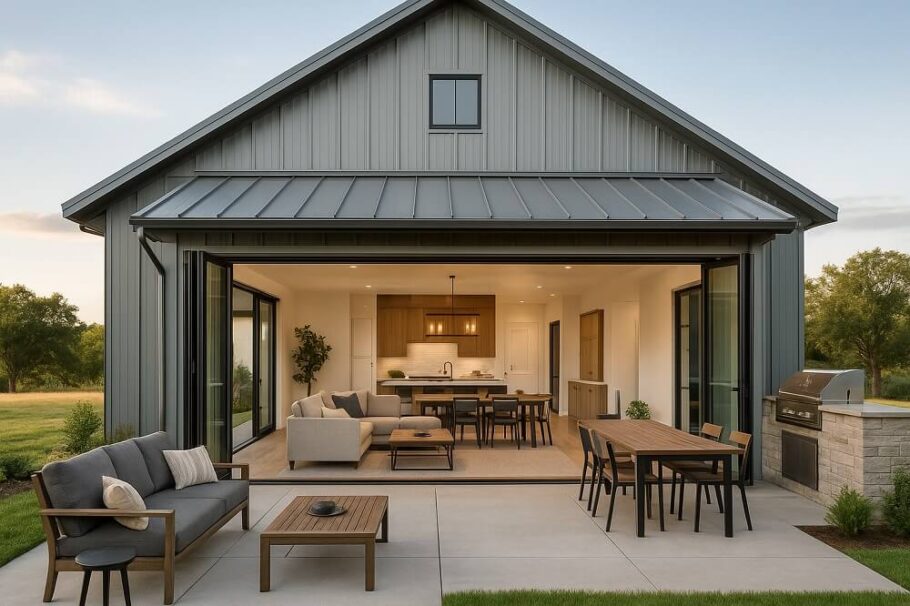
Barndominiums have carved out a unique space in modern housing, blending rugged post-frame construction with the comforts of a traditional home. This hybrid nature presents a distinct challenge when it comes to flooring. The right choice must withstand the heavy traffic and potential grit of a workshop area while still looking inviting in the living spaces. The wrong choice can turn a dream home into a maintenance nightmare.
Polished Concrete: The Reigning Champion
Polished concrete consistently ranks as the top contender for barndominium flooring, and for good reason. This isn’t the drab, gray slab of a commercial warehouse. Modern polishing techniques reveal a sophisticated, reflective surface that can be dyed, stained, or scored to mimic tile or natural stone.
The appeal lies in its sheer resilience. It shrugs off dropped tools, heavy machinery, and muddy boots. Spills are easily wiped away without leaving stains. During the hot summer months, concrete floors naturally remain cool, helping regulate interior temperatures and reducing reliance on air conditioning. In winter, with the addition of radiant floor heating, they become an efficient source of cozy warmth.
However, concrete is not without its compromises. Standing for extended periods can be fatiguing on joints without the use of anti-fatigue mats, and dropped glassware rarely survives the encounter. The initial installation requires professional expertise to achieve a high-quality polish, which adds to the upfront costs. While durable, the surface can develop hairline cracks over time as the building settles, though these often add character rather than detracting from the aesthetic.
Luxury Vinyl Plank: The Versatile Contender
Luxury vinyl plank (LVP) has emerged as a formidable alternative, offering the visual warmth of wood without the vulnerability. This multi-layered product features a photographic print layer topped with a transparent wear layer that resists scratches, dents, and moisture.
LVP truly shines in its adaptability. It can be installed over most existing subfloors, making it a viable option for barndominiums with a concrete slab that might not be suitable for polishing. The wide array of styles ranges from weathered oak to reclaimed barn wood, allowing for design continuity from the garage to the great room. The material is softer underfoot than concrete, offers some sound absorption, and provides a bit of insulation against cold floors.
The potential downsides are worth noting. Despite its toughness, heavy objects like a piano or a workbench with sharp metal legs can indent the surface. The subfloor must be nearly perfectly level to prevent the locking mechanisms from failing over time. In areas with intense, direct sunlight, some lower-quality LVP products can fade or warp. The material is a petroleum-based product, which may be a consideration for the eco-conscious homeowner.
Reclaimed Wood: The Soulful Option
Reclaimed wood flooring brings an unmatched sense of history and authenticity to a barndominium. Sourced from old barns, factories, and warehouses, each plank carries nail holes, saw marks, and a patina that mass-produced materials cannot replicate. This flooring aligns perfectly with the architectural roots of the barndominium, creating a cohesive, rustic narrative.
The character comes with a cost. Reclaimed wood is typically the most expensive flooring option per square foot. The material is also softer than concrete or tile, making it susceptible to scratches, dents, and moisture damage. In a space where a dog might track in rain or a project might involve water, this is a significant consideration. Finishing reclaimed wood with a durable, matte polyurethane can help mitigate these issues, but it requires diligent maintenance and periodic refinishing.
Porcelain Tile: The High-Performance Alternative
For those seeking the aesthetic of natural stone or wood without the maintenance, large-format porcelain tiles are a worthy candidate. This material is incredibly dense, virtually impervious to water, and highly resistant to stains and scratches. It can mimic the look of wood grain or slate so effectively that it is often mistaken for the real thing.
Durability is a major asset. Porcelain tile holds up beautifully in high-traffic areas and is ideal for mudrooms or bathrooms within the barndominium. The major drawback is the comfort factor. The tile is cold, hard, and unforgiving. It is also the most challenging and expensive floor to install, requiring specialized tools and skilled labor. Grout lines require sealing and can be difficult to keep clean in a workshop environment.
The Ones to Avoid
Carpets should generally be avoided in a barndominium. It traps dust, dirt, and odors from the workshop environment, becoming a magnet for grime that is nearly impossible to fully remove. In a space where boots and equipment are a constant presence, carpet will wear out quickly and show traffic patterns within months.
Engineered hardwood with a thin veneer sits in a precarious middle ground. While it offers the look of real wood, it is susceptible to moisture and scratches. In a barndominium, the risk of spills or humidity fluctuations makes this a gamble. Once the thin top layer is scratched or worn through, the floor cannot be refinished and must be replaced.
Solid hardwood is simply incompatible with the slab-on-grade construction typical of barndominiums. The moisture vapor that naturally travels through concrete will cause solid wood planks to cup, warp, and buckle. The installation complexity and the material’s sensitivity to temperature changes make it a poor choice for this building style.
Making the Final Decision
The best flooring for a barndominium ultimately depends on the intended use of the space. A barndominium that serves primarily as a residential home with a small workshop might find LVP to be the perfect balance of aesthetics and durability. A working farm or a workshop-heavy space will lean heavily toward polished concrete for its unparalleled toughness and ease of maintenance.
Before committing to any material, a simple moisture test on the concrete slab is non-negotiable. This will determine if a vapor barrier is needed and which flooring types are even viable options.
Summary
To simplify the decision, here is a quick breakdown of each option:
- Polished Concrete: Unmatched durability, low maintenance, ideal for heavy use. Excellent for workshops and open living areas. Requires professional installation and may feel hard underfoot.
- Luxury Vinyl Plank: Great aesthetic versatility, water-resistant, comfortable. A solid choice for living quarters. Can be damaged by heavy objects and requires a level subfloor.
- Reclaimed Wood: Authentic character, warm aesthetic. Perfect for creating a rustic atmosphere. High cost, soft surface, and vulnerable to moisture.
- Porcelain Tile: Highly durable, waterproof, aesthetically versatile. A strong choice for bathrooms and mudrooms. Expensive to install, hard, and cold underfoot.
The barndominium offers the opportunity to move beyond the limitations of conventional housing. The floor should reflect that spirit—a practical, hardworking surface that also feels like home.