
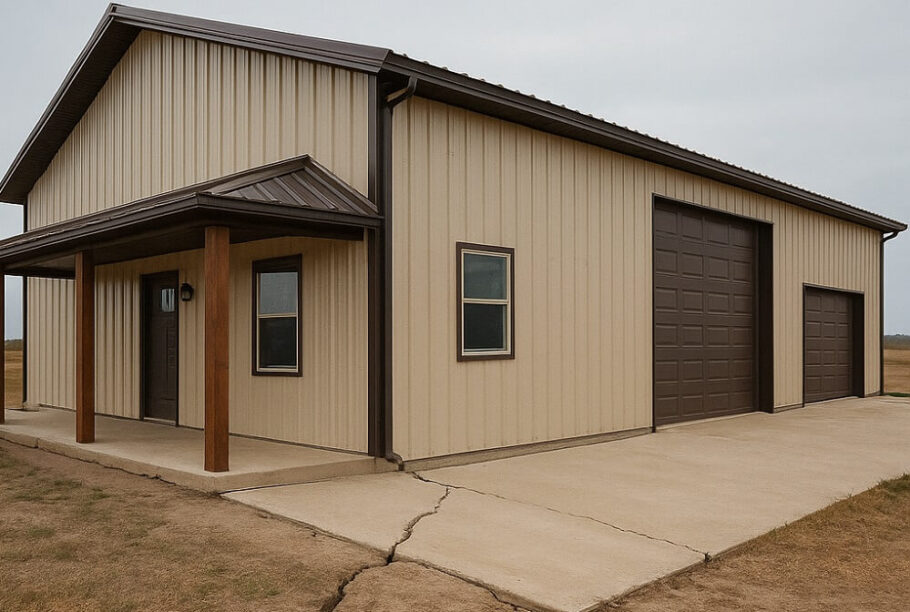
Winter construction presents a unique set of challenges, particularly when erecting a barndominium. While many builders shut down operations until spring, those who push through the cold months gain a significant competitive advantage. The key lies in mastering two critical elements: proper concrete curing in freezing temperatures and maintaining a productive, safe workforce.
The Concrete Challenge
Concrete requires specific conditions to reach its intended strength. When temperatures drop below 50°F, the hydration process slows dramatically. At 40°F, strength gain reduces by approximately 50 percent. Below freezing, water within the mix expands during crystallization, compromising the structural integrity permanently.
The goal remains maintaining concrete temperatures above 50°F for the initial 48 hours, followed by a gradual cooling period. Achieving this in winter demands strategic planning and appropriate equipment.
Ground Preparation Before Pouring
Concrete draws heat from the ground beneath it. Pouring onto frozen soil creates immediate problems. The frozen earth acts as a heat sink, pulling warmth from the mix and accelerating temperature loss.
Thawing the subgrade properly prevents this issue. Ground thawing blankets or hydronic heating systems installed several days before the pour raise soil temperatures. Running hot water through tubes placed beneath insulation blankets effectively thaws the ground without damaging the soil structure.
Thermal Blankets and Insulation Systems
Insulated curing blankets remain the standard solution for winter concrete protection. These specialized covers trap heat generated by the concrete’s natural hydration process. High-quality blankets with vapor barriers prevent moisture from reaching the concrete surface while maintaining consistent temperatures.
For barndominium slabs, double-layer blanket systems provide superior protection. The inner layer rests directly on the concrete surface, while an outer layer adds additional insulation against extreme cold. Proper overlap at seams prevents cold spots from developing.
Hydronic Heating Systems for Large Slabs
Barndominium floors typically cover substantial square footage, making traditional heating methods impractical. Hydronic heating systems embedded within the slab offer a dual benefit: curing assistance and permanent radiant floor heat.
Running warm water through PEX tubing during the curing process maintains optimal concrete temperatures while eliminating the need for temporary heating equipment. The system gradually cools alongside the concrete, preventing thermal shock. This approach transforms a necessary winter construction expense into a permanent home feature.
Temporary Enclosures and Ground Heaters
Enclosing the work area creates a controlled environment for both concrete curing and crew comfort. Heavy-duty polyethylene sheeting forms an effective temporary structure, provided proper securing prevents wind damage.
Propane or diesel-fired forced air heaters positioned strategically within the enclosure maintain ambient temperatures above 50°F. Multiple smaller units distribute heat more evenly than single large heaters. Consider a backup heating source, as equipment failure during a pour creates catastrophic results.
Windbreaks and Perimeter Protection
Wind accelerates heat loss from concrete surfaces dramatically. Even with proper blankets, continuous wind exposure causes rapid temperature drops at exposed edges.
Install temporary windbreaks along the predominant wind direction. Weighted snow fence, plywood panels, or heavy fabric stretched between posts effectively reduce wind velocity around the work area. For elevated barndominium floors, wind protection becomes particularly critical.
Cold Weather Concrete Mix Design
The concrete itself requires adjustment for winter placement. Low water-to-cement ratios reduce bleeding water that could freeze on the surface. Accelerating admixtures speed the setting time and early strength gain without generating excessive heat.
Consult with ready-mix suppliers regarding winter mix designs. Calcium chloride accelerates set times but causes discoloration and potential rebar corrosion. Non-chloride alternatives offer similar benefits without the drawbacks, though the costs increase.
Timing the Pour
Strategic scheduling prevents many winter concrete problems. Morning pours allow daytime temperatures to assist with initial set times. Concrete arriving at the proper temperature makes a significant difference.
Hot water mixing increases concrete temperature at placement. Suppliers maintain 150°F water for winter mixes, producing concrete arriving at 60-70°F despite cold ambient conditions. Specifying this service from the supplier prevents temperature shock when the material contacts cold forms and reinforcement.
Crew Management and Productivity
Winter construction impacts workers as much as materials. Maintaining crew productivity requires addressing both physical comfort and safety.
Heated Break Areas
Establishing warm zones where crews can recover body heat increases productivity significantly. A heated trailer or enclosed scaffolding with portable heaters provides essential respite from the cold. Short, frequent breaks reduce the accumulated stress of working in winter conditions.
Proper Layering Systems
Educating crews about effective cold-weather clothing improves morale and work quality. Moisture-wicking base layers, insulating mid-layers, and waterproof outer shells allow workers to regulate temperature through the day. Providing heated storage for cold weather gear prevents frozen equipment at start times.
Handling Concrete Finishing in Cold Weather
Finishing operations demand particular attention during winter pours. Bleed water evaporates slowly in cold conditions, delaying the finishing process. Power troweling too early traps moisture beneath the surface, leading to scaling and delamination.
Patience and careful monitoring prevent costly mistakes. Crews should understand that winter finishing requires more time and different techniques than summer operations. Providing appropriate lighting extends productive hours in low winter daylight conditions.
Safety Considerations
Slips and falls increase significantly during winter construction. Ice accumulation on walking surfaces creates hazards that slow production and threaten worker safety. Regular application of traction materials and immediate removal of standing water prevents accidents.
Frostbite and hypothermia remain real concerns. Establishing a cold weather safety plan that includes monitoring workers for symptoms and restricting prolonged exposure prevents medical emergencies.
Equipment Storage and Maintenance
Winter temperatures affect tools and equipment as much as materials. Storing finishing equipment in heated areas prevents frozen hydraulic lines and stiffened hoses. Keeping fuel additives in diesel equipment prevents gelling that strands equipment at critical moments.
Establishing equipment warm-up procedures before the workday extends machine life and ensures immediate functionality when needed.
Economics of Winter Construction
Winter building carries additional costs, but the benefits often outweigh the expense. Reduced competition for subcontractors, better scheduling availability, and earlier completion dates justify the heating and protection investment.
The cost of heating blankets, enclosures, and extra fuel pales compared to the expense of delayed occupancy or summer price inflation on materials and labor.
Looking Forward
Successful winter barndominium construction requires shifting the mindset from obstacle avoidance to strategic planning. Every aspect of the project demands consideration, from mix designs to worker rotations.
The methods described provide a framework for maintaining progress through the cold months. Builders who master winter construction techniques position themselves to deliver completed projects when others are just breaking ground. The resulting structure benefits from careful attention to curing conditions, producing a durable concrete foundation that serves the barndominium for decades.