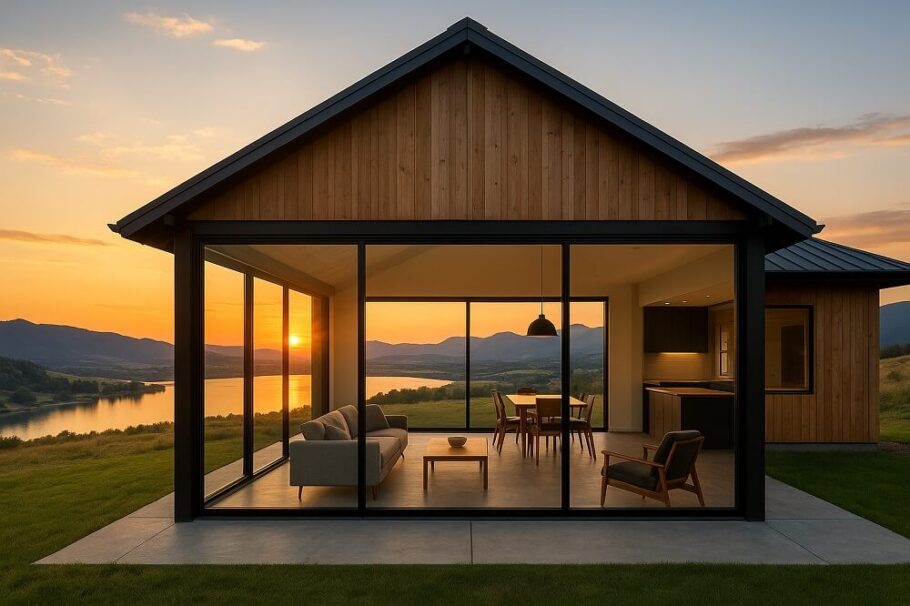
The allure of a barndominium is undeniable. It combines the rustic charm of a barn with the modern functionality of a contemporary home, often offering lower maintenance costs and greater design flexibility than traditional stick-built houses. However, securing the funds to build one is a different story. Because barndominiums occupy a unique space between residential real estate and agricultural construction, financing them requires navigating a lending landscape that isn’t always straightforward.
Understanding the specific hurdles and the available loan products is essential before breaking ground. Here is a comprehensive guide to financing a barndominium.
The Appraisal Hurdle
Before diving into loan types, it is crucial to understand the primary obstacle in barndominium financing: the appraisal. Lenders do not lend money based on the cost of materials; they lend based on the appraised value of the finished property.
Traditional appraisers often struggle with barndominiums because there are few comparable sales (comps) in a given area. If an appraiser cannot find similar metal-structure homes that have recently sold nearby, they may undervalue the property or classify it as a commercial or agricultural building rather than a residence. This classification is the make-or-break factor for financing. If the structure is deemed a “residence,” residential loans apply. If it is deemed a “barn” or “commercial structure,” the financing becomes significantly more complex and expensive.
Loan Options for Barndominiums
Finding the right lender is often harder than finding the right land. Most large, national banks are hesitant to touch barndominiums due to appraisal issues. However, several specific loan avenues exist.
- Construction-to-Permanent Loans (One-Time Close)
This is often the gold standard for barndominium financing. A construction-to-permanent loan (also known as a single-close mortgage) combines the construction financing and the permanent mortgage into one transaction.
- How it works: The lender provides funds in draws to pay the builder as work progresses. Once the certificate of occupancy is issued, the loan automatically converts into a standard mortgage.
- The Benefit: This avoids the hassle of closing twice (once for construction, once for the mortgage) and locks in the interest rate early.
- The Catch: The lender will require a detailed set of plans, a fixed budget, and a licensed general contractor. Finding a lender who understands that the structure is a home, not a barn, is key.
- Conventional Construction Loans
Some regional banks and credit unions offer “construction-only” loans. These are short-term, interest-only loans that cover the build. Once the home is complete, the borrower must secure a separate mortgage to pay off the construction loan.
- The Benefit: These are sometimes easier to qualify for if the borrower has a strong relationship with a local bank.
- The Catch: This involves two closings and carries the risk that mortgage rates could rise significantly during the construction period. Additionally, the borrower must qualify for the permanent mortgage based on their debt-to-income ratio at the time of the second closing.
- USDA Loans
The U.S. Department of Agriculture (USDA) offers Single-Family Housing Guaranteed Loans, which can be used for barndominiums. This is an excellent option for those building in rural areas.
- The Benefit: USDA loans offer 100% financing (no down payment) and competitive interest rates.
- The Catch: The property must be located in an eligible rural area. Furthermore, the barndominium must be classified strictly as a residential dwelling. If any part of the structure is used for commercial farming operations, it will likely be disqualified.
- FHA and VA Loans
Government-backed loans like FHA and VA are traditionally for existing homes, but they can sometimes be used for new construction.
- FHA: Requires the borrower to use an FHA-approved lender and a specific construction-to-permanent program. The property must meet strict HUD minimum property standards.
- VA: For veterans, the VA Loan Guaranty can be used for construction. However, the VA has strict guidelines regarding the builder and the plans. The barndominium must be a primary residence and meet energy efficiency and safety standards.
- Seller Financing or Local Credit Unions
When national banks say no, local institutions often say yes. Local credit unions and community banks are more likely to hold the loan in their portfolio rather than selling it on the secondary market. This means they have more flexibility in how they underwrite the loan and appraise the property. They look at the borrower’s character and the local market rather than rigid Fannie Mae/Freddie Mac guidelines.
Essential Tips for Success
Securing financing for a barndominium requires preparation. The process is more document-heavy and scrutinized than a standard home build.
-
- Secure the Right Builder
Lenders are wary of “owner-builders” or unlicensed contractors for barndominiums. To secure financing, it is almost always necessary to hire a licensed, insured, and experienced general contractor. The lender will vet the builder’s financial stability and track record. - Prepare a Detailed Budget
Barndominiums are often chosen to save money, but cost overruns are common. Lenders will require a detailed line-item budget. It is wise to include a contingency fund of at least 10% to 15% for unexpected costs. If the budget is unrealistic, the loan will be denied. - Get Pre-Approved Early
Do not buy land or finalize plans without knowing the financing is secure. Getting pre-approved helps define the budget and signals to sellers and builders that the project is viable. It also uncovers potential credit issues before they become deal-breakers. - Understand the “Residential” Label
Ensure the plans clearly delineate the living space. The design should look like a home on paper. This means including standard residential features like HVAC systems, drywall, and permanent foundations. If the plans look like a warehouse or a working barn, the lender will treat it as such. - Work with a Barndominium Specialist
Not all lenders are created equal. Seek out a lender who has a history of financing barndominiums. These lenders understand the construction style and have appraisers on hand who know how to value a metal structure home. Asking a generic loan officer at a large bank will likely result in frustration.
- Secure the Right Builder
The Bottom Line
Financing a barndominium is a specialized process, but it is entirely achievable with the right strategy. By understanding the appraisal challenges, exploring construction-to-permanent loans, and working with local lenders who understand the vision, the path to owning a barndominium can be cleared. The key is to treat the project as a professional real estate transaction, not just a construction project.