
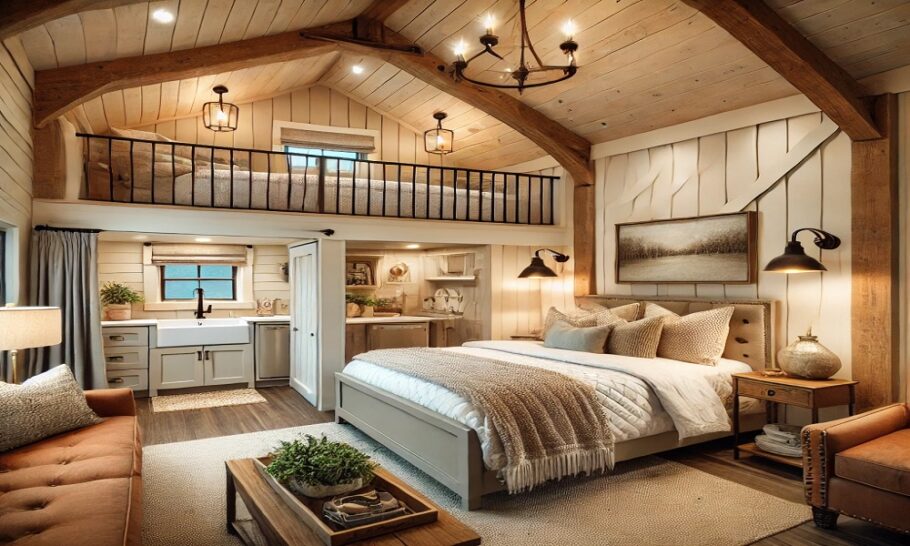
Barndominiums occupy a unique space in residential architecture. The hybrid structure combines the rugged, utilitarian framework of a barn with the comfort and refinement of a modern home. This distinctive fusion dictates a specific approach to interior design, particularly regarding illumination. Lighting serves a dual purpose in these vast, open spaces: it must provide practical visibility for tasks while highlighting the architectural character of high ceilings and exposed structural elements.
Achieving the right balance requires a layered strategy. A mix of natural light, ambient glow, task-focused fixtures, and bold statement pieces creates a home that feels both expansive and inviting.
Harnessing Natural Light: Skylights and Clerestory Windows
The most defining feature of a barndominium is often the sheer volume of space. Vaulted ceilings and open floor plans can sometimes feel cavernous or shadowy without proper management of natural light. Relying solely on standard vertical windows often leaves the center of the home dark, especially if the building has deep overhangs or a large footprint.
Skylights offer a direct solution to this challenge. By cutting through the roof plane, skylights flood the interior with daylight that would otherwise be unreachable. In a barndominium, skylights do more than brighten a room; they draw the eye upward, emphasizing the height of the structure. Modern skylight options include solar-powered “fresh air” models that vent automatically to release rising heat, a practical addition for homes with lofts or mezzanines.
Clerestory windows—a row of narrow windows placed high on a wall or just below the roofline—are another architectural staple. Historically used in barns for ventilation, they now serve a dual aesthetic purpose. They admit light without sacrificing wall space below for cabinetry or furniture. More importantly, clerestory windows maintain privacy, allowing light to enter from above without exposing the interior to street-level view.
The Industrial Aesthetic: Pendant Lighting
While natural light handles the daytime atmosphere, artificial lighting defines the evening mood. For the barndominium aesthetic, industrial pendants are the quintessential choice. These fixtures bridge the gap between the building’s agricultural roots and modern design trends.
Industrial pendants often feature materials like blackened steel, galvanized metal, and heavy glass. The look is raw yet refined. When selecting pendants, scale is the most critical factor. A standard eight-foot ceiling in a traditional home requires small fixtures, but a barndominium often features ceilings exceeding 15 feet. In these instances, large, oversized pendants are necessary to fill the vertical space and provide adequate light output. A tiny fixture hung in a massive room looks lost and ineffective.
Placement is equally important. Linear suspension lights—long, rectangular fixtures containing multiple bulbs—work exceptionally well over kitchen islands or long dining tables. They mimic the linear layout of the furniture and create a sense of rhythm. For entryways or stairwells, a cluster of smaller pendants at varying heights can add visual interest and depth.
Bridging Rustic and Modern: Chandeliers and Statement Pieces
The term “chandelier” often evokes images of crystal and ornate brass, but in a barndominium, the definition shifts. The goal is to find fixtures that complement the rustic-industrial palette without feeling out of place.
Wagon wheel chandeliers are a classic choice that pays homage to the property’s agricultural history. However, modern iterations often strip away the kitsch, featuring minimalist metal rings or distressed wood finishes. Alternatively, geometric cage chandeliers offer an open, airy feel that doesn’t obstruct sightlines in an open floor plan. These fixtures serve as the jewelry of the home, adding texture and personality to the structural bones of the building.
Functional Illumination: Task and Ambient Layers
A successful lighting design is not solely about the fixtures hanging from the ceiling. It requires layers to function correctly.
Ambient lighting provides general illumination and is often achieved through recessed can lights. In a barndominium, these should be placed on dimmers to allow for flexibility. High ceilings require high-lumen output, but the ability to dim the lights is essential for creating a cozy evening atmosphere.
Task lighting is critical in areas like kitchens, workshops, and bathrooms. Under-cabinet lighting eliminates shadows on countertops, while adjustable wall sconces beside the bed provide reading light without illuminating the entire room. In a barndominium, where the kitchen often serves as the central hub, pendant lights over the island double as task lighting, provided they are hung low enough to direct light onto the surface without blocking the view of the room.
For walls, sconces provide a softer alternative to overhead lights. In a barndominium, rustic sconces made from wood or iron can be mounted on exposed columns or between windows to add warmth. This is particularly effective in hallways or on exterior walls to create a welcoming glow around the perimeter of the home.
Controlling the Elements: Smart Lighting and Fans
Given the high ceilings common in these structures, changing a lightbulb or adjusting a fan pull chain can be a logistical challenge. Smart lighting technology is a natural fit for barndominiums. App-controlled systems allow homeowners to adjust brightness, color temperature, and schedules from a phone. This is especially useful for high-mounted fixtures that are difficult to reach.
Additionally, ceiling fans are a necessity in large, open spaces to circulate air. Choosing a fan with an integrated light kit consolidates fixtures and reduces visual clutter. Large-diameter fans, often styled like industrial windmills, are particularly effective at moving air in voluminous rooms.
Conclusion
Lighting design in a barndominium is a study in contrast and scale. It requires respecting the building’s industrial heritage while catering to the comforts of modern living. By utilizing skylights to capture daylight and deploying large-scale industrial pendants for evening ambiance, the home transforms from a simple structure into a warm, functional living space. The key lies in layering—combining natural, ambient, and task lighting to ensure every corner of the expansive floor plan is usable, beautiful, and bright.