
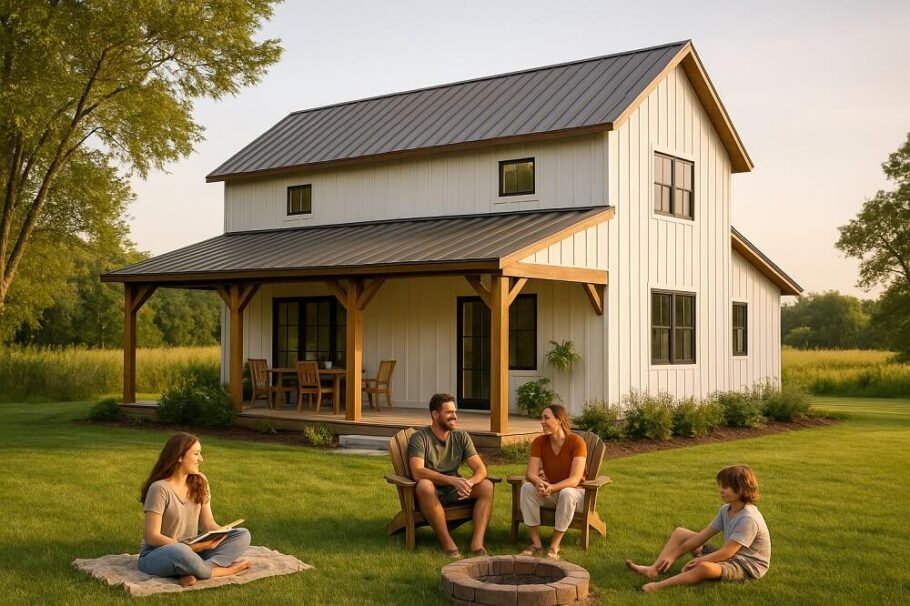
The barndominium craze shows no signs of slowing down. And honestly, it’s easy to see why. Who wouldn’t want a spacious, cost-effective home that combines rustic charm with modern functionality? But here’s the thing about building your own barndo—the path from dream to reality is littered with costly missteps that catch first-timers completely off guard.
The Budget Blindness
Let’s start with the elephant in the room. That Instagram-perfect barndominium you’ve been pinning? It didn’t cost what you think it cost. First-time builders consistently underestimate the total investment required, and here’s where it gets dangerous—they focus on the shell price and forget everything else.
The metal building package might look affordable. But that’s just the skeleton. You’re still looking at foundation work, insulation, interior framing, plumbing, electrical, HVAC, finishes, and site preparation. Each of these categories has a nasty habit of expanding beyond initial quotes. Smart builders add at least 20-30% to their estimated total before breaking ground.
Foundation Fumbles
Here’s a mistake that literally sinks projects. Many first-timers assume a barndominium sits on a simple slab and call it done. But soil conditions vary dramatically across properties, and what works in one location spells disaster in another.
Poor drainage around the foundation leads to shifting, cracking, and moisture problems that plague the building for decades. Getting a proper soil test isn’t optional—it’s essential. And don’t let anyone convince you that skipping this step saves money. Fixing a failed foundation costs exponentially more than doing it right the first time.
The Insulation Oversight
Metal buildings present unique insulation challenges that catch newcomers by surprise. That steel shell conducts heat and cold like a champion, which means inadequate insulation turns your dream home into an energy nightmare.
Spray foam insulation has become popular for good reason—it creates an effective thermal barrier and helps control moisture. But some builders try to cut costs with traditional fiberglass batts, only to discover they’re not sufficient for metal construction. The condensation issues alone create mold problems that compromise indoor air quality and structural integrity.
Pole Placement Problems
The structural posts that support a barndominium need precise placement. Rushing through this phase creates alignment issues that cascade through every subsequent step. When posts aren’t perfectly plumb and square, walls don’t line up, roofs don’t sit correctly, and finishing work becomes a nightmare of custom cuts and creative problem-solving.
Taking extra time during this phase pays dividends. Double-check measurements, use proper bracing during concrete pours, and resist the urge to speed through what feels like tedious work. The framing crew will thank you later.
Permitting Pitfalls
Some first-timers view building permits as unnecessary red tape designed to complicate their lives. This perspective usually changes when the county shows up with a stop-work order and fines that could have covered the permit fees several times over.
Beyond the legal requirements, permits exist for good reasons. Inspections catch safety issues before they become hazards. And when it comes time to sell, buyers want documentation that everything was built to code. Skipping this step creates problems that follow the property forever.
The Mechanical Maze
HVAC design for barndominiums differs significantly from traditional homes. High ceilings and open floor plans require careful planning to achieve comfortable temperatures throughout the space. Many first-time builders simply scale up residential equipment and hope for the best.
The results speak for themselves—hot spots, cold drafts, and utility bills that make no sense. Proper load calculations, strategically placed returns, and zoning considerations all deserve attention during the planning phase. This isn’t the place to save money or take shortcuts.
Interior Layout Issues
The open concept appeal of barndominiums sometimes leads to poorly defined living spaces. Without proper planning, the main living area becomes a cavernous space that feels more like an aircraft hangar than a home.
Strategic placement of interior walls, thoughtful room transitions, and careful attention to traffic flow transform a big metal box into a comfortable living environment. It helps to live with the floor plan on paper for a while before committing to construction. Walk through the spaces mentally, consider furniture placement, and think about how daily life will function in each area.
Financing Misunderstandings
Traditional mortgages don’t always apply to barndominiums. Some lenders view them as unconventional properties and either decline financing or require more favorable terms for the borrower. This catches many first-timers off guard when they discover their local bank won’t fund their project.
Construction loans often come with different requirements too. Interest rates might be higher, down payments larger, and qualification criteria stricter. Getting financing sorted before committing to the project saves heartache down the road.
The Site Preparation Slip
Grading, drainage, and utility access seem straightforward until you’re staring at a property that doesn’t cooperate. Rocky soil, high water tables, and distant utility connections all add costs and complications.
Bringing in heavy equipment for site work costs more than expected. Running power from the road, drilling wells, and installing septic systems all demand expertise and money. Some builders tackle these tasks themselves to save money, only to discover they’ve created bigger problems through inexperience.
Material Delivery Mayhem
Coordinating material deliveries on a construction site requires planning and patience. Materials arriving too early get damaged or stolen. Materials arriving too late stall the entire project. And wrong materials cause delays while replacements are ordered.
Having a clear staging plan, secure storage areas, and good communication with suppliers prevents many common headaches. The best approach involves scheduling deliveries to coincide with the trades who will install them.
The Timeline Trap
First-time builders often harbor unrealistic expectations about how long construction takes. Weather delays, material shortages, and tradespeople running behind schedule all extend the timeline beyond initial projections.
Building a barndominium isn’t a weekend project. Even with professional help, these structures take months to complete. Planning for the long haul and maintaining flexibility prevents frustration when things don’t go exactly as scheduled.
Final Thoughts
Building a barndominium offers incredible opportunities for customization and cost savings. But success depends on avoiding the common mistakes that plague first-timers. Research thoroughly, plan carefully, and never underestimate the value of professional guidance.
The most successful builders approach their projects with humility, recognizing what they don’t know and seeking help when needed. With proper preparation and realistic expectations, that barndominium dream becomes a comfortable reality rather than a cautionary tale.