
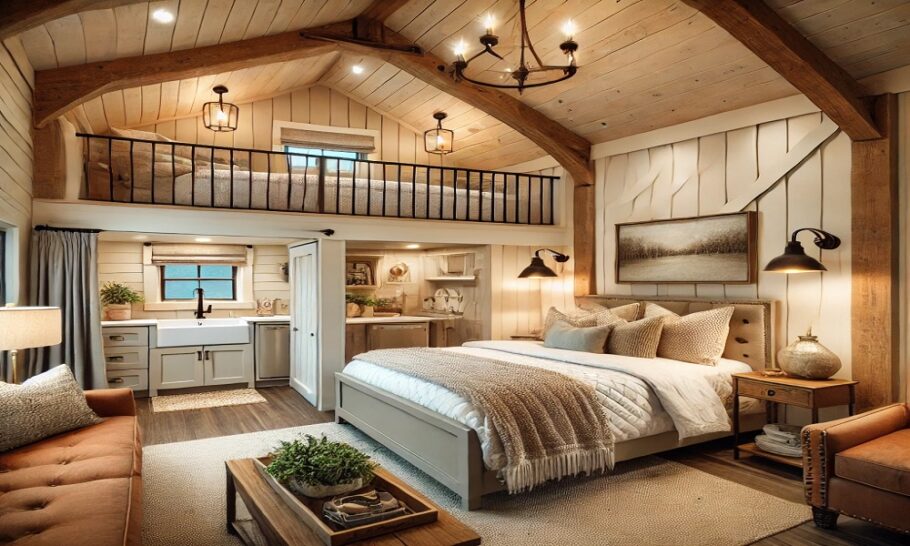
That unmistakable sheen on the windows in the morning. The subtle mustiness that clings to clothing stored in the back bedroom. The way the air feels heavier than it should, even when the thermometer reads a comfortable seventy degrees. For barndominium owners, this persistent dampness is more than a minor annoyance—it’s the single most common complaint that turns the dream of metal-home living into a frustrating battle against the elements.
The irony is striking. These structures, built with steel framing and corrugated metal siding, are purchased precisely for their durability and weather resistance. Yet the very materials that make them impervious to rain and snow create a perfect storm for interior humidity problems that standard stick-built homes rarely experience.
Understanding Why Metal Homes Struggle With Moisture
The root cause of barndominium dampness lies in a fundamental principle of physics that many owners overlook during the construction phase. Metal conducts heat far more efficiently than wood. When warm, humid air inside the home meets a cold metal surface—whether that’s an exterior wall, a window frame, or the roof deck—condensation forms almost instantly. This isn’t a design flaw. It’s the natural behavior of water vapor in the presence of temperature differentials.
The problem compounds during transitional seasons. Spring and fall bring dramatic temperature swings between day and night. The metal shell of a barndominium responds to these changes quickly, cooling down faster than traditional wood-framed structures. Meanwhile, daily activities generate moisture. Cooking, showering, breathing—each contributes to the indoor humidity load that has nowhere to go.
Most concerning is what happens behind the walls. Moisture that penetrates the building envelope or condenses on interior surfaces can saturate insulation, compromise structural connections, and create the perfect environment for mold growth. Unlike wood rot, which takes years to develop, corrosion of metal components can begin within months of occupancy.
The Insulation Equation That Changes Everything
Conventional wisdom about insulation doesn’t always apply in barndominiums. A structure built with steel studs and metal panels requires careful attention to thermal bridging—the process by which heat travels through conductive materials. When insulation is placed between framing members, the metal itself becomes a highway for temperature transfer, creating cold spots where moisture collects.
Closed-cell spray foam has emerged as the gold standard for barndominium insulation. Applied directly to the underside of the metal roof deck and against exterior walls, it creates an airtight seal that prevents warm interior air from reaching cold surfaces. The foam’s high R-value per inch provides superior thermal performance while acting as a vapor barrier that blocks moisture migration from both directions.
For those working with existing structures, retrofitting requires a different approach. Blown-in cellulose insulation within cavity walls offers good thermal performance but must be paired with a comprehensive vapor retarder on the interior surface. Ignoring this critical step allows moisture-laden air to pass through the insulation and condense against the cold metal exterior.
The Role of Mechanical Ventilation
Natural ventilation through windows and doors rarely provides adequate humidity control in a barndominium. The same air-tight construction that keeps the weather out also traps moisture inside. Reliance on opening windows during pleasant weather simply introduces more humid air in many climates, making the problem worse.
Mechanical ventilation must be purpose-built for the metal home environment. Heat recovery ventilators (HRVs) and energy recovery ventilators (ERVs) offer the most effective solution by continuously exchanging stale interior air with fresh outdoor air while transferring heat or moisture between the two streams. This reduces the energy penalty of ventilation while maintaining consistent humidity levels.
The exhaust capabilities of these systems deserve careful attention. Bathrooms, kitchens, and laundry areas produce concentrated moisture that requires localized removal. HRV systems that include dedicated exhaust points at these sources prevent humidity from spreading throughout the open floor plan that characterizes most barndominiums.
Dehumidification Strategies That Actually Work
When ambient relative humidity exceeds sixty percent, the metal surfaces in a barndominium become vulnerable to condensation regardless of temperature. This threshold means that dehumidification isn’t optional in most climates—it’s essential year-round protection for the structure itself.
Portable dehumidifiers provide a short-term fix but rarely deliver sufficient capacity for the cubic footage of typical barndominium interiors. The open floor plans and often-vaulted ceilings mean that a single unit cannot adequately circulate air throughout the entire space. Multiple units or a whole-home dehumidifier integrated with the HVAC system offers the only practical solution.
Capacity calculations must account for the building’s unique characteristics. A metal structure of the same square footage as a wood-framed home requires approximately thirty percent more dehumidification capacity due to the increased condensation potential and reduced natural absorption of moisture by building materials. Most manufacturers provide sizing calculators, but oversizing by half a ton rarely hurts performance and provides margin for extreme weather events.
Airflow and Distribution Considerations
Still air is damp air in a barndominium. The metal surfaces that trigger condensation also create thermal currents that stratify humidity levels, leaving moisture concentrated near the ceiling while the occupied zone remains dry. Ceiling fans set to operate in reverse during heating months pull warm air downward and reduce the temperature differential that causes condensation.
The positioning of supply and return vents relative to large metal surfaces determines how effectively conditioned air reaches problem areas. Register placement that directs airflow across windows and exterior walls disrupts the boundary layer of still, cold air where condensation forms. This strategic air movement prevents moisture from accumulating even when relative humidity levels temporarily spike.
Proper balancing of the HVAC system eliminates pressure differentials that draw humid outdoor air through gaps in the building envelope. Negative pressure in any zone of the barndominium creates a vacuum effect that pulls outside air—complete with its moisture load—through even microscopic openings in the metal panels.
Controlling Moisture at the Source
Behavioral changes contribute significantly to barndominium humidity management. Running exhaust fans during showers and for thirty minutes afterward removes steam before it can circulate. Using lids on cooking pots reduces the moisture released into the air. Allowing freshly washed clothes to complete the dryer cycle rather than pulling them out damp prevents excess humidity from entering the interior space.
Flooring choices also influence moisture dynamics. Polished concrete slabs, popular in barndominiums for their durability, offer no absorption capacity and can actually promote condensation when warm air meets cooler floor surfaces. Area rugs and cork underlayments provide thermal breaks that prevent this phenomenon while adding comfort underfoot.
Long-Term Monitoring and Maintenance
A reliable hygrometer placed in the living area provides the feedback loop necessary for effective humidity management. These inexpensive devices reveal how daily activities and weather conditions affect indoor moisture levels, allowing for proactive adjustments before problems develop.
Regular inspection of the metal surfaces themselves reveals early warning signs. Water staining at the base of windows, minor corrosion around fasteners, or paint bubbling on exterior walls indicate moisture issues that require immediate attention. Catching these problems early prevents the expensive repairs that arise from prolonged moisture exposure.
The metal shell that makes barndominiums so distinctive doesn’t have to become a liability. With proper insulation, ventilation, and moisture control strategies, these structures offer comfortable, healthy living environments that rival any traditional home. The key lies in understanding that metal buildings don’t just resist the weather differently—they require a different approach to interior climate management altogether.