The barndominium has surged from a niche rural housing concept into a mainstream architectural movement. Combining the rugged aesthetic of a metal building with the comforts of modern living, these structures offer a unique lifestyle proposition. However, the path to owning one is not monolithic. The first major decision—and often the most consequential—revolves around the method of construction: purchasing a pre-engineered kit or undertaking a fully custom build.
Understanding the nuances of each approach is critical to ensuring the project aligns with financial realities, timeline expectations, and long-term satisfaction. This is not merely a choice between prefabricated and bespoke; it is a decision that dictates the level of involvement, the degree of flexibility, and the ultimate character of the home.
The Barndominium Kit: The Pre-Engineered Path
A barndominium kit is essentially a turnkey materials package. It arrives with precisely cut steel framing, roof panels, wall girts, trim, and a comprehensive set of engineering drawings. The primary appeal lies in predictability. The price is locked in before a single shovel hits the dirt, and the structural calculations are already certified to meet local wind and snow load requirements.
The speed of assembly represents another significant advantage. With all components engineered to fit together with precision, a skilled crew can erect the shell in a fraction of the time required for stick-built or custom steel construction. This rapid dry-in phase protects the interior from the elements sooner, allowing the finishing trades to begin their work without weather-related delays.
However, the kit route is not without its constraints. The structural grid is predetermined. If a particular span needs to be wider or a roof pitch steeper for aesthetic reasons, the kit provider may not accommodate the change without significant upcharges. Furthermore, the savings often end at the curb. Kit prices frequently exclude the concrete slab foundation, delivery charges, crane rental for erection, and the labor itself. Managing these ancillary costs requires diligent budgeting.
The Custom Build: Total Architectural Control
Opting for a custom build means engaging an architect, structural engineer, and general contractor to design a structure from a blank slate. This approach grants absolute freedom over the floor plan, ceiling heights, rooflines, and fenestration. Want a curved metal ceiling in the great room or a mezzanine that spans the entire width of the shop? A custom build can accommodate these visions without forcing the design to fit a pre-existing template.
The customization extends to energy efficiency. A custom design allows for the integration of advanced thermal breaks, strategic placement of insulation, and the specification of high-performance glazing that kit packages rarely offer. For those building in extreme climates, this level of control can translate into significant long-term utility savings.
The primary drawback is the cost and complexity. Custom engineering comes with a premium price tag. The design phase is iterative and time-consuming, and construction requires a higher level of project management to coordinate disparate trades. The budget is also less fixed, subject to change orders and material fluctuations that can creep up during the build cycle.
Comparing the Critical Factors
Budget and Financing
The kit represents a known quantity regarding the structure’s shell. However, the custom build provides an opportunity to phase costs more strategically. While the kit requires a lump sum payment for the materials upfront, a custom build allows for the purchase of materials in stages. More importantly, banks often view custom builds more favorably for construction loans because the appraisal is based on a unique property rather than a standardized product. Conversely, some kit lenders restrict financing to owner-builders with specific certifications.
Timeline
Kit builds are generally faster from delivery to dry-in. The engineering is already complete, and the parts are numbered and ready for assembly. Custom builds are subject to the architect’s workload, local permitting delays, and the contractor’s schedule. Yet, the time saved during the kit’s erection phase can be lost if the owner is unaccustomed to the coordination of plumbing, electrical, and HVAC rough-ins. Speed is only an advantage if the entire project is managed efficiently.
Quality and Durability
A custom build allows for the specification of heavier gauge steel and superior coatings. Kit providers often use standard thicknesses to control shipping weight, which may not be ideal for all climates. Additionally, custom builds typically include better weatherproofing detailing around windows and doors, a common weak point in kit homes. The adage holds true: with a kit, the buyer gets what the manufacturer offers; with a custom build, the buyer gets exactly what was specified.
The Verdict: Who Should Choose Which?
The barndominium kit emerges as the champion for the pragmatic owner-builder. This is the ideal choice for someone with a clear vision of a simple, rectangular structure who is comfortable acting as their own general contractor. It suits those who prioritize a predictable timeline and a fixed cost for the structural shell, and who are willing to handle the interior fit-out separately to manage overall expenses.
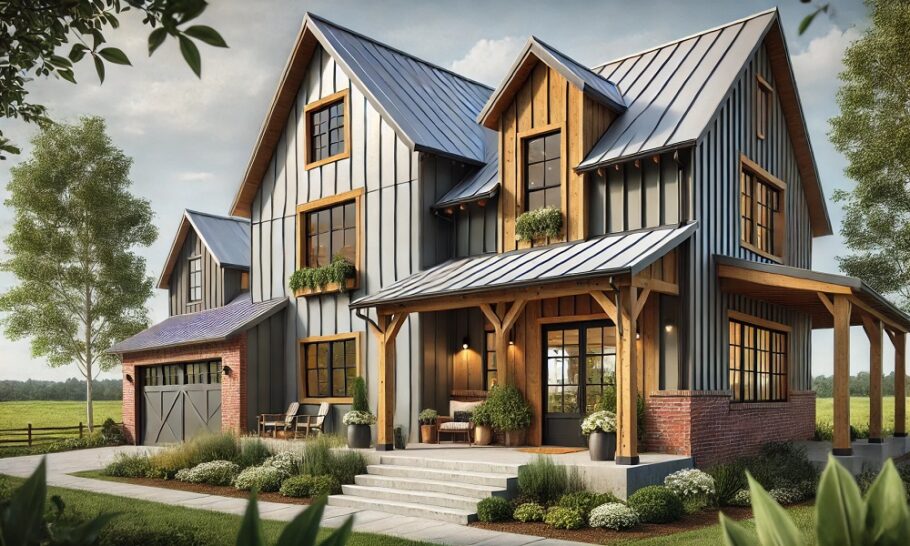
The custom build reigns supreme for the discerning homeowner who views the barndominium as a permanent residence rather than a workshop with a living space. It is for those with specific site challenges, such as steep slopes or strict HOA guidelines, which require unique engineering solutions. If a specific aesthetic—like a modern farmhouse with a steep pitch roof or a contemporary design with extensive glass walls—is the goal, the custom route is the only viable option.
Making the Final Decision
To decide, prospective builders must look beyond the initial price per square foot. Consider the total cost of ownership, including the value of personal time. The kit shifts the risk of material coordination onto the manufacturer, while the custom build shifts the risk of design and execution onto the professional team.
The correct choice ultimately depends on the answer to one central question: Is the desire for a home, or is it for a building? If the priority is a cost-effective, durable structure erected quickly, the kit is a proven solution. If the priority is a bespoke home that reflects a specific lifestyle, with no compromises on design or performance, the investment in a custom build is not an expense; it is an essential step toward achieving that vision.