
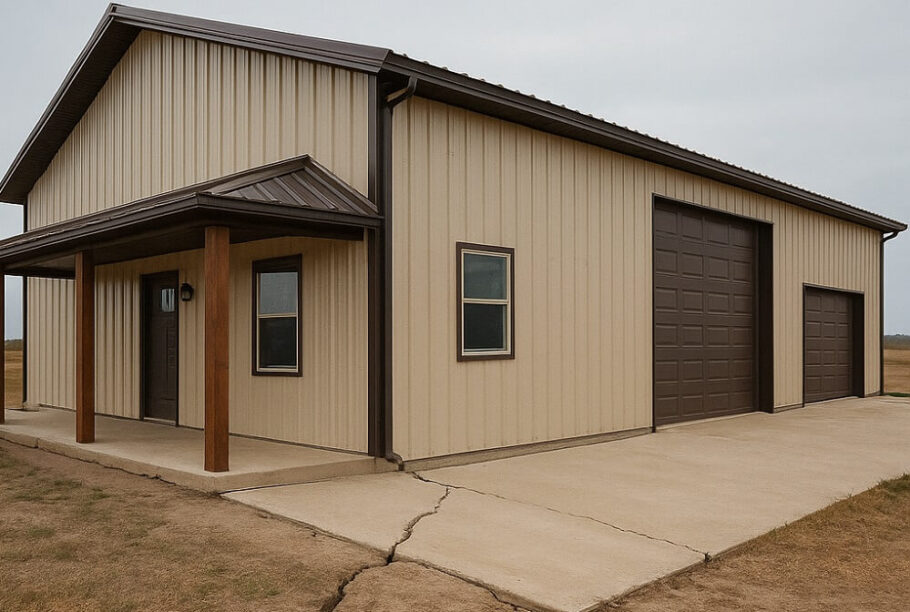
The barndominium trend has swept across the country, offering homeowners the perfect blend of rustic charm and modern efficiency. With their steel frames and metal siding, these structures seem virtually indestructible. Many buyers choose this construction style specifically to avoid the pests that plague traditional wood-framed homes. The logic appears sound—termites eat wood, and barndominiums are made of metal.
But this assumption creates a dangerous blind spot that could cost thousands in structural damage.
The Hidden Wood in Your Metal Home
Walk through any barndominium under construction and the truth becomes immediately apparent. These buildings rely heavily on wood components that remain essential to their functionality and comfort. Roof decking typically consists of plywood or oriented strand board attached directly to steel framing. Interior walls often use wooden studs for easier installation of drywall and fixtures. Cabinetry, trim, doors, and baseboards provide plenty of cellulose for hungry termites to consume.
Even the concrete slab foundation, which many assume provides a barrier against pests, can develop cracks over time that allow subterranean termites to access wood components above. The porous nature of concrete means moisture can travel upward into wooden floor systems, creating ideal conditions for termite colonies to thrive.
Where Termites Gain Entry
The most vulnerable points in any barndominium occur where different materials meet. The transition between metal siding and wooden framing creates gaps and spaces that termites exploit with astonishing efficiency. Utility penetrations for plumbing, electrical, and HVAC systems provide convenient highways for these insects to move from soil to structure without detection.
Expansion joints, window and door frames, and any area where wood contacts concrete offer entry points that homeowners rarely consider during the excitement of building their dream home. Steel panels may remain intact for decades, but the wood they protect can become a feast for termites that enter through seemingly insignificant openings.
The Landscaping Connection
Property owners often unknowingly invite termites closer to their barndominiums through landscaping choices. Wood mulch piled against foundations creates a moist environment that termites love while providing them with an easy transition zone from soil to structure. Shrubs and trees planted too close to the building allow termites to travel from infested branches directly onto roofing materials and find their way inside.
Firewood stored against exterior walls represents one of the most common mistakes, essentially placing a termite buffet directly against the home’s vulnerable wooden components. Wooden fence posts, deck supports, and even garden timbers can serve as bridge structures that allow termites to bypass the metal exterior entirely.
Soil Treatment and Barriers
Proper site preparation during construction provides the first line of defense against subterranean termites. Pre-construction soil treatment with approved termiticides creates a chemical barrier that either repels or eliminates termites attempting to reach the structure. Many homeowners skip this step, assuming their metal construction makes it unnecessary, only to discover their error years later.
Physical barriers offer another layer of protection. Stainless steel mesh, sand barriers of specific particle sizes, and crushed stone foundations can all prevent termite entry while remaining invisible once construction completes. These physical methods work without chemicals and provide permanent protection that never needs reapplication.
Regular Inspection Protocols
Barndominium owners must adopt regular inspection habits that account for the unique vulnerabilities of their metal homes. Monthly visual checks around the foundation and in crawl spaces should look for mud tubes, discarded wings, and damaged wood. These simple inspections take minutes but can catch infestations before they cause significant damage.
Professional inspections remain essential despite the metal exterior. Certified termite inspectors understand how to access and evaluate all the wooden components within a barndominium, including areas that owners might miss. Annual inspections by qualified professionals provide documentation that helps with insurance claims and resale value while catching problems early.
Moisture Management
Termites require moisture to survive and thrive. Effective moisture management around a barndominium dramatically reduces the risk of infestation while providing other benefits like reduced mold growth and improved structural integrity. Gutters and downspouts should direct water at least six feet from the foundation, preventing soil saturation that attracts termites.
Proper grading ensures water flows away from the structure rather than pooling against walls. Crawl spaces require adequate ventilation and vapor barriers to prevent moisture accumulation that would otherwise create a perfect termite habitat. Interior plumbing leaks must receive immediate attention, as they can saturate wooden components and attract pests.
Treatment Options When Infestation Occurs
Discovering termite activity in a barndominium requires swift, professional intervention. Liquid termiticides applied around the foundation create a continuous barrier that eliminates existing colonies while preventing future entry. Baiting systems offer another approach, using stations installed in the soil to gradually eliminate termite populations through colony-wide effects.
Fumigation may become necessary for severe infestations involving drywood termites that have spread throughout the structure. While inconvenient, this treatment effectively eliminates all termites and provides peace of mind that the infestation has been fully addressed. Localized spot treatments using foams or dusts can target specific areas without treating the entire structure.
Building Materials That Resist Pests
Some barndominium owners choose to incorporate additional pest-resistant materials during construction or renovation. Pressure-treated lumber resists both decay and termite attack, making it ideal for any wood that contacts concrete or soil. Borate treatments applied to lumber create a toxic barrier that termites avoid while remaining safe for human inhabitants.
Composite materials for decks and trim eliminate the cellulose that termites consume. Steel studs for interior walls completely remove the wood component from those areas, though they come with their own installation challenges. The initial cost of these materials often proves less expensive than dealing with a termite infestation later.
Understanding Termite Species
Different termite species pose different threats to barndominiums. Subterranean termites build colonies in the soil and travel to structures through mud tubes. These account for most termite damage in the United States and require direct soil contact or moisture pathways to access a home. Their mud tubes provide visible evidence of infestation that homeowners can spot during routine inspections.
Drywood termites infest wood directly without needing soil contact. These pests can fly directly into a barndominium through vents, gaps, or open windows and establish colonies within wooden components. Their presence proves harder to detect and may require different treatment approaches than subterranean species.
The Role of Insurance and Documentation
Standard homeowner insurance policies typically exclude termite damage, viewing it as a preventable maintenance issue rather than an insurable event. This makes prevention and early detection even more critical for barndominium owners. Some specialized pest insurance policies exist but often prove expensive and limited in coverage.
Maintaining thorough documentation of termite inspections, treatments, and prevention measures protects property value and provides evidence of due diligence. This paperwork becomes especially important when selling a barndominium, as buyers increasingly understand that metal construction does not guarantee immunity from wood-destroying organisms.
Long-Term Maintenance Strategies
Protecting a barndominium from termites requires consistent attention over the building’s lifetime. Annual inspections, prompt repairs to any exterior damage, and careful management of vegetation near the structure all contribute to ongoing protection. Keeping records of treatments and inspections helps track any developing issues before they become significant problems.
Simple maintenance tasks like sealing cracks in foundations, repairing damaged siding, and replacing rotting wood components prevent termite access while maintaining the building’s aesthetic appeal. These efforts cost relatively little compared to the expense of major structural repairs resulting from undetected termite activity.
The Cost of Complacency
Termite damage in barndominiums often goes unnoticed for years because owners assume their metal construction provides complete protection. By the time visible signs appear, structural components may require replacement at significant expense. The National Pest Management Association estimates that termites cause over five billion dollars in property damage annually, with barndominiums representing a growing share of affected properties.
The emotional toll of discovering hidden termite damage in a beloved home adds another dimension to the problem. Unseen infestations can undermine the security and comfort that drew homeowners to barndominium living in the first place. Proper protection measures allow owners to enjoy their unique homes without constant worry about the pests that lurk beneath the surface.
Metal construction offers many advantages for modern homeowners, but complete termite immunity is not among them. Understanding the vulnerabilities inherent in any structure that combines steel with traditional building materials helps owners protect their investment effectively. With proper prevention and monitoring, barndominium owners can enjoy their distinctive homes for decades without termite problems compromising their comfort or investment.