
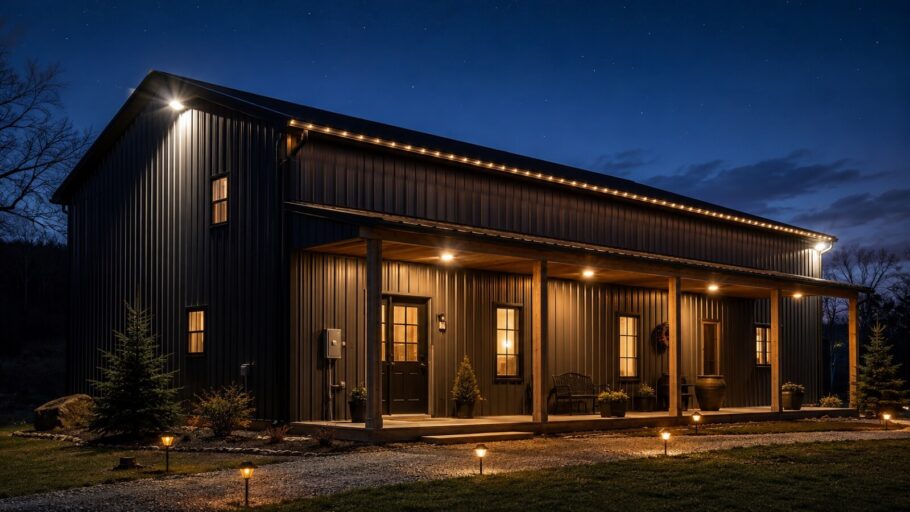
The barndominium represents a unique fusion of rugged industrial space and modern residential comfort. This distinctive architectural style, with its soaring ceilings, exposed structural elements, and vast open floor plans, presents both opportunities and challenges when it comes to interior illumination. Standard lighting setups often fall short in these expansive spaces, leaving corners dark and atmosphere flat. The solution lies not in brighter bulbs, but in smarter control.
Smart lighting scenes have emerged as the essential tool for transforming a barndominium from a simple metal building into a truly dynamic living environment. A lighting scene is a pre-programmed configuration that adjusts multiple lights simultaneously to achieve a specific mood or function. Instead of fumbling with multiple switches to create the right ambiance for a dinner party or a movie night, a single command instantly sets the perfect tone. This technology is particularly impactful in the open-concept layouts typical of barndominiums, where the interplay of light defines distinct functional zones within a single continuous space.
Crafting Scenes for the Great Room
The great room in a barndominium often serves as kitchen, dining, and living area all in one. This multifunctional space demands lighting that can adapt throughout the day.
The Morning Energizer scene should utilise cooler, brighter light with a colour temperature around 5000K. This mimics natural daylight and helps signal to the body that it is time to start the day. In this scene, overhead recessed lights should be at full brightness, while under-cabinet lighting in the kitchen area provides task-specific illumination for preparing breakfast. Pendant lights over a kitchen island or dining table can be set to a slightly warmer tone to create a visual anchor without overpowering the overall brightness.
The Afternoon Work Mode scene offers a balanced, neutral light ideal for focusing on tasks. This might involve dimming the overhead lights to about 70% and activating dedicated task lighting over workspaces or a home office nook. The goal here is to reduce glare and eye strain while maintaining sufficient light for reading, cooking, or working on projects.
The Evening Entertaining scene marks a dramatic shift towards warmth and intimacy. Colour temperatures drop to 2700K, casting a golden, inviting glow. Overhead lights are dimmed low, and emphasis shifts to decorative fixtures and accent lighting. Wall sconces, cove lighting, or track lighting aimed at artwork or architectural features take centre stage. This scene creates a sophisticated atmosphere that encourages conversation and relaxation, distinguishing the living area from the kitchen prep zone, which might retain slightly brighter task lighting.
Specialised Scenes for Specific Zones
Beyond the main living area, other parts of the barndominium benefit enormously from tailored lighting scenes.
In the workshop or garage bay, practical illumination is paramount. The Workshop Focus scene should deliver maximum brightness with a neutral to cool colour temperature, ensuring excellent visibility for detailed work. This can be achieved by activating all overhead shop lights and any directional task lights over workbenches.
The master suite, often designed with a luxurious, open feel, thrives on transitional scenes. A Bedtime Wind Down scene can gradually reduce light levels over a set period, shifting towards a very warm, dim amber hue that promotes melatonin production. This prepares the body for sleep far more effectively than abruptly switching off bright lights. Conversely, a Gentle Wake scene can simulate a sunrise, slowly brightening the room over thirty minutes to create a more natural and pleasant start to the day.
The Technical Foundation for Seamless Control
Implementing these scenes requires a thoughtfully selected ecosystem of hardware. The central component is a reliable smart hub or bridge that communicates with all the lighting devices. This hub must be compatible with the chosen wireless protocol—Z-Wave, Zigbee, or Wi-Fi—ensuring robust connectivity across the barndominium’s potentially large footprint and through its metal construction, which can interfere with wireless signals.
The choice of light fixtures and bulbs is equally critical. For the greatest flexibility, tuneable white or full-colour bulbs in key fixtures allow for precise control over both brightness and colour temperature. Dimmable LED fixtures are non-negotiable for scenes that require reduced light levels. The system should also incorporate smart switches or dimmers, not just smart bulbs, to ensure that physical wall controls remain intuitive and functional, preventing guests from accidentally disabling a scene by using a traditional switch.
Integrating Sensors for Adaptive Intelligence
The most sophisticated smart lighting systems transcend simple programmed scenes by incorporating environmental sensors. Motion sensors can trigger a Hallway Path scene at night, illuminating a dim pathway at floor level to safely guide someone to the kitchen or bathroom without blasting the eyes with full light. Daylight harvesting sensors can automatically adjust electric lights based on the amount of natural light entering through the barndominium’s large windows and skylights, maintaining a consistent light level while saving energy.
A Word on Implementation
A common mistake is attempting to control every single light in the space. Instead, focus on grouping lights by function and zone. The kitchen under-cabinet lights, the great room ceiling cans, the dining pendants—each should be considered a separate group within the lighting control software. This granularity allows for the creation of nuanced scenes where different groups can be set to different brightness levels and colours simultaneously.
Starting simple is advisable. Master a few key scenes that are used daily before building an extensive library of niche settings. The goal is to make lighting intuitive and enjoyable, not a source of confusion. Consistency in naming conventions for groups and scenes also prevents frustration when issuing voice commands or navigating the app.
Ultimately, smart lighting scenes offer a way to respect the raw, open character of the barndominium while elevating it with modern comfort and functionality. The ability to reshape the atmosphere of these great spaces with a touch or a word is not just a convenience—it is a fundamental enhancement to the way one experiences and lives within their home.