
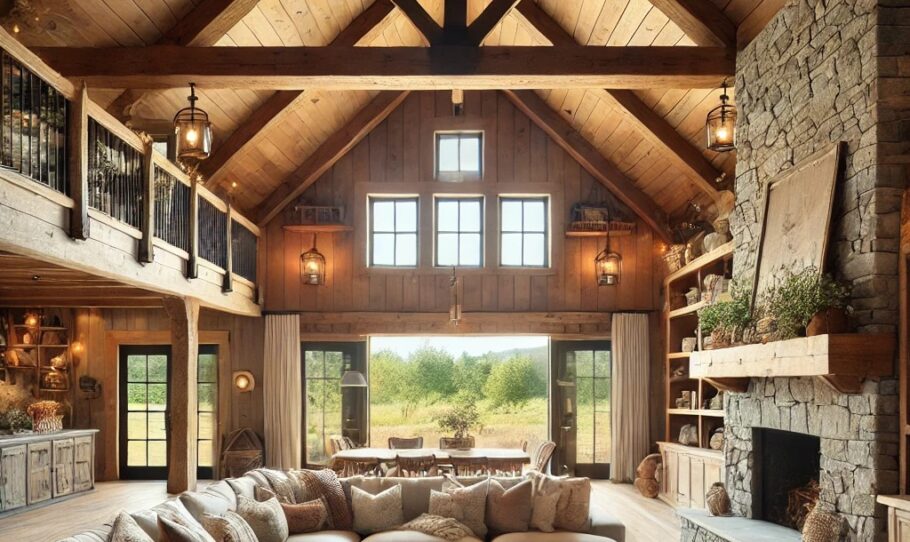
The barndominium has crashed onto the housing scene like a freight train through a picket fence. Part barn, part condominium, these steel-framed hybrids are turning heads from Texas ranch country to the Carolina foothills. But beneath that rustic-chic exterior lies a question every potential owner needs answered before signing the first check: does a barndominium actually increase property value?
The short answer is yes—but with enough caveats to fill a ten-car garage. Understanding those caveats makes the difference between a brilliant investment and a very expensive lesson in niche architecture.
What Exactly Is a Barndominium Worth?
Let’s start with what the market actually says. In rural and exurban areas where these structures first gained traction, appraisers have started developing real data points. A well-built barndominium on a decent piece of land regularly appraises at or above conventional stick-built homes in the same price range. In some Texas markets, barndominiums have shown value appreciation of five to eight percent annually, slightly outpacing traditional homes.
But here’s where things get interesting. The value doesn’t come from the structure alone. It comes from what the structure enables. A barndominium typically offers square footage at a lower cost per foot than traditional construction. That means for the same budget, someone can build a larger home. Larger homes, all else equal, tend to command higher prices. This isn’t complicated math, but it does require looking past the novelty factor.
Location Determines Everything
Drop a barndominium in the middle of suburban Nashville, and the value story changes dramatically. Most suburban jurisdictions have zoning codes written decades before anyone dreamed of living in a metal building. Setback requirements, residential finish mandates, and neighborhood covenants often prohibit these structures entirely. The ones that slip through face an uphill battle at resale because the surrounding comps look nothing like a steel-framed workshop with a living room attached.
Conversely, place that same building on five acres in an unincorporated county with no zoning restrictions, and the value proposition flips entirely. Rural buyers increasingly seek exactly what barndominiums offer: low-maintenance exteriors, open floor plans, and the ability to park toys or run a small business from the same structure. In these settings, a barndominium isn’t a weird outlier. It’s a desirable alternative to aging farmhouses or manufactured homes.
The sweet spot appears to be areas within forty-five minutes of a growing mid-sized city but still zoned agricultural or unrestricted. Land in these zones often carries a premium for barndominium potential, suggesting that savvy buyers already recognize the value play.
The Cost vs. Value Equation
Building a barndominium typically runs thirty to forty percent less than conventional construction for the same finished square footage. The steel frame goes up fast. The roof system covers enormous spans without interior load-bearing walls. The exterior requires virtually no maintenance beyond the occasional pressure wash.
That lower cost basis creates immediate equity potential. A barndominium built for two hundred thousand dollars might appraise for two hundred forty thousand dollars simply because comparable square footage in the area costs that much to build conventionally. Smart money recognizes this arbitrage, which is why some investors have started building barndominiums as rental properties or quick-flip projects.
But the flip side deserves attention. A poorly built barndominium—one with thin insulation, cheap finishes, or structural shortcuts—can become a liability rather than an asset. The market punishes bad construction regardless of style, but barndominiums face extra scrutiny because buyers worry about the “barn” part. Metal buildings require different insulation strategies, different vapor barrier approaches, and different HVAC sizing than wood-framed homes. Get any of these wrong, and the value drops faster than a hay bale off a loft.
What Appraisers Actually Look For
Professional appraisers have caught up with the barndominium trend, at least in markets where these buildings appear regularly. The evaluation process looks at three main factors that determine whether the structure adds or subtracts value.
First comes finish quality. A barndominium with drywall throughout, proper trim work, decent flooring, and standard residential fixtures appraises differently than one with exposed insulation, rough-sawn lumber everywhere, and barn doors on every opening. The rustic aesthetic has its place, but appraisers compare finish levels to conventional homes. Too far outside the norm, and the adjustments start cutting value.
Second, mechanical systems matter enormously. Proper HVAC with correctly sized ductwork, adequate electrical service with enough circuits for modern appliances, and plumbing that meets residential codes rather than agricultural standards. These elements signal that someone built a home first and a barn second. When appraisers see residential-grade systems, they treat the property like a home.
Third, and perhaps most critically, the living space must feel like living space. Natural light through adequate windows, proper ceiling heights, consistent heating and cooling throughout, and soundproofing between living areas and workshop spaces. A barndominium that feels like a converted warehouse loses value. One that feels like a unique home gains it.
The Niche Buyer Problem
Here is the honest truth about barndominium resale value. The pool of interested buyers stands smaller than for conventional homes. Not everyone wants a metal building as a residence. Not everyone wants an open floor plan where the living room, dining room, and kitchen flow together without interior walls. Not everyone wants to look at exposed steel beams or live in a structure that resembles a commercial building from the outside.
This smaller buyer pool matters at resale time. In a hot market with limited inventory, even niche properties sell quickly and for good prices. In a slow market, a barndominium might sit longer than comparable conventional homes. That extended days-on-market statistic can affect the eventual sale price, as buyers sense weakness and negotiate harder.
But niche appeal runs both ways. For the right buyer, a barndominium represents the perfect solution. The buyer who wants a massive workshop attached to the house. The buyer who needs space for an RV or boat inside the same structure. The buyer who dreams of a hobby farm with a home that can handle dirty boots and wet dogs without ruining nice floors. These buyers often pay a premium for a property that checks every box on their unusual list.
Tax Implications and Assessed Value
Property tax assessors have developed their own perspectives on barndominiums, and the news here tilts positive in most jurisdictions. Assessed value typically lands lower than conventional homes of similar size because the cost basis runs lower. Lower assessed value means lower property taxes, which improves the overall investment picture.
However, a few jurisdictions have started treating barndominiums as mixed-use properties, especially when the workshop space exceeds certain square footage thresholds or includes commercial equipment. Mixed-use classification can trigger higher tax rates and different assessment methods. A quick conversation with the local tax assessor before building prevents unpleasant surprises at tax time.
Financing Impacts on Market Value
The lending world has warmed to barndominiums considerably over the past five years. Major lenders including USDA, FHA, and conventional mortgage providers now offer standard financing for these properties, provided they meet typical residential requirements. Permanent foundations, proper utility connections, residential-grade finishes, and compliance with local building codes all matter for loan approval.
This financing availability directly affects property value. A home that cannot secure conventional financing loses a huge portion of its potential buyer pool, which crushes value. Conversely, a barndominium with clean financing credentials trades like any other home in the market. The appraisal process for these loans has become routine enough that most appraisers handle them without drama.
Construction financing remains trickier. Building a barndominium often requires a different lender conversation than conventional construction, because the draw schedule and material costs look different. But once complete and certified as a residence, the permanent financing options mirror conventional homes.
Long Term Value Trends
Looking ahead five to ten years, barndominiums appear positioned for continued appreciation in the right markets. The factors driving their popularity—lower construction costs, lower maintenance requirements, flexible floor plans, and the ability to combine living and workspace—aren’t going away. If anything, remote work trends and the ongoing migration away from dense urban centers strengthen the case for these properties.
The wild card involves market saturation. As more barndominiums get built, the novelty factor diminishes, and these properties become simply another housing option. That normalization helps value stability in the long run, because appraisers will have more comps and buyers will have more familiarity. The risk of being too weird and niche drops as the style becomes mainstream.
Some signs point to barndominiums following the trajectory of mid-century modern homes, which seemed strange and risky when first built but eventually became highly desirable period architecture. Others suggest these buildings will remain a regional phenomenon, popular in the South and Midwest but never catching on in coastal markets. Either way, the properties currently being built will find their value determined by the same forces affecting all real estate: location, condition, and market demand.
Making the Value Work for You
For anyone seriously considering a barndominium, the path to protecting and growing property value comes down to a few concrete decisions. Build in an area where these properties already exist or where zoning clearly allows them. Avoid the temptation to cut corners on insulation, HVAC, and residential finishes just because the structure started as a metal building. Design the living space to feel like a home rather than a converted warehouse, with adequate windows, proper room divisions where desired, and finishes that would look at home in any conventional residence.
Pay attention to the workshop-to-living ratio as well. Massive shop spaces attached to modest living quarters create appraisal challenges, because the cost of the shop space rarely translates dollar-for-dollar into market value. A forty-by-sixty shop with a one-bedroom apartment attached might appraise for less than the construction cost, because buyers place limited value on that much shop space. A thirty-by-forty shop with a three-bedroom, two-bath living space typically works better for value retention.
The bottom line on barndominium property value comes down to execution. Build well, in the right location, with attention to residential standards, and these properties can match or exceed conventional home appreciation. Cut corners, build in the wrong place, or treat the home portion as an afterthought, and the value story turns sour. The barndominium itself isn’t the deciding factor. The choices made in building it make all the difference.