
Most people buy a home for the family they have today, not the family they might have tomorrow. That two-bedroom starter home feels perfect for newlyweds. Then come the kids. Then the in-laws need a place to stay. Suddenly every closet is stuffed, the garage holds zero cars, and the quiet dinner table now seats four people in a space meant for two.
Traditional houses trap families in this cycle of outgrowing and moving. Sell. Buy something bigger. Repeat the whole exhausting process every five to seven years. But there is another way, and it looks nothing like the suburban tract home.
What Exactly Is a Modular Barndominium Cluster?
The barndominium has been gaining traction for over a decade now—a metal building framed like a barn but finished like a home. The modular cluster takes that concept and breaks it into pieces. Instead of one massive structure, the property becomes a collection of connected modules. A main living hub. A sleeping wing. A workshop that converts to guest quarters. Each piece arrives on a flatbed truck, craned into place, and bolted to the next.
Think of it less like a house and more like a camp. The compound grows organically, room by room, pod by pod, exactly when each new space becomes necessary.
Why Traditional Additions Fail Most Families
Ask anyone who has built a conventional home addition, and the stories range from frustrating to catastrophic. Permits take months. Construction drags on while the family lives in a construction zone. Costs balloon beyond any original estimate. A simple extra bedroom can easily run $80,000 to $150,000 and require tearing into existing walls, rerouting HVAC, and patching roofs.
Modular barndominium clusters sidestep nearly every one of these headaches. The modules are designed from the start to attach. The foundation gets laid with future connections already in place. Electrical and plumbing run through junction points that wait behind sealed panels. Adding a new section means clearing the site, setting the slab if needed, and watching a crew bolt on another living module in a matter of days.
The First Module: Starting Small Without Feeling Small
A smart cluster begins with a single module that functions as a complete home. This first piece typically ranges from 1,200 to 1,600 square feet and contains everything a young couple needs. Open living and kitchen space. A bedroom or two. A bathroom that can later become a guest powder room. A utility closet with oversized mechanicals designed to handle future demand.
Steel framing allows for vaulted ceilings even in the first module, which tricks the eye into seeing more space than actually exists. Large windows on the end walls keep the space from feeling like a metal box. And because the whole thing gets built in a factory while the foundation is poured on site, the timeline from breaking ground to moving in often runs under four months.
Phase Two: The Kid Wing Arrives
Somewhere around the second or third birthday, the need for more room becomes obvious. Toys multiply. Quiet hours vanish. The home office desk now doubles as a diaper changing station. This is exactly when the first addition slides into place.
A children’s module connects off the main living area through a short breezeway or a direct doorway. This pod typically includes two bedrooms and a shared bath, plus a small play nook or homework station. By keeping kids’ spaces slightly separated from the main hub, noise stays contained and parents can still host adult conversations in the living room without tripping over building blocks.
The beauty of modular construction really shines here. No demolition. No dust. No relocating the family to a hotel for three weeks. The new module arrives, gets set, and within a week the family has two new bedrooms and a bathroom. The original master bedroom remains untouched. The kitchen never stops working. Life continues almost normally through the whole process.
Phase Three: The In-Law Suite or Home Office
Teenagers eventually need less supervision, but aging parents often need more. Or maybe remote work becomes permanent and a dedicated office space moves from dream to necessity. The third module serves whichever need arrives first.
An in-law suite module works beautifully as a self-contained apartment. Kitchenette. Full bathroom. Separate entrance. Private patio. Mom or Dad gets independence while staying close enough to help with grandkids. When not housing family, this same space rents out as an Airbnb or serves as a quiet writer’s retreat.
For families choosing the home office route, the same module becomes a professional workspace with its own HVAC zone, soundproofing, and even a small conference nook. The separation from the main house means phone calls and video meetings never get interrupted by a hungry teenager raiding the refrigerator.
Phase Four: The Teenage Retreat or Guest Quarters
By the time kids hit high school, everyone benefits from a little breathing room. A fourth module might contain two small bedrooms with a jack-and-jill bathroom, giving older children genuine privacy and a space to study without younger siblings barging in.
Alternatively, this module becomes the dedicated guest wing for families whose aging parents have already moved in during phase three. Out-of-town relatives no longer sleep on a pullout couch in the living room. Holiday gatherings feel less cramped. Everyone sleeps better.
How the Mechanical Systems Keep Up
One legitimate concern about modular clusters involves heating, cooling, and plumbing across multiple connected buildings. A well-designed system anticipates growth from day one.
The main module houses an oversized heat pump or boiler capable of handling double the square footage of the initial build. Chases for refrigerant lines and ductwork run through the connection points between modules, sealed behind removable panels. Each additional module gets its own zone controls, so empty rooms don’t waste energy.
Plumbing follows a similar strategy. Main supply and waste lines stub out at every future connection point. Adding a new bathroom means tapping into existing stubs rather than trenching new lines through frozen ground or cutting into finished slabs. Smart designers even run empty conduit through the foundation for future low-voltage wiring, ethernet, and solar connections.
The Land and Zoning Reality
None of this works without the right property. Modular clusters need space—not necessarily acreage, but enough room to set multiple structures without crowding the property lines. Most successful clusters sit on parcels of at least two acres, though five acres or more offers real flexibility.
Zoning presents the bigger hurdle. Some counties still classify barndominiums as agricultural structures and restrict where they can be built. Others embrace them as legitimate housing, especially in rural and exurban areas. A few progressive municipalities have actually rewritten codes to encourage modular and cluster housing as a response to the affordable housing crisis.
Before falling in love with the concept, a buyer needs to visit the local planning department. Ask about accessory dwelling units, modular construction, and minimum lot sizes. Bring drawings of the proposed cluster. Some areas will approve the whole master plan at once, allowing the family to build out over years without reapplying for permits each time.
Cost Comparisons That Actually Make Sense
The sticker shock of a modular barndominium cluster comes from the upfront price tag on that first module. At $150 to $250 per square foot depending on finishes, a starter module costs roughly the same as a custom home build. But the math changes when looking at total cost of ownership over twenty years.
Compare that young couple who buys a 1,400-square-foot starter home in a suburban subdivision. Five years later, they sell and move to a 2,400-square-foot house. Transaction costs eat 8 to 10 percent of the sale price. The new mortgage carries a higher interest rate. Property taxes reset at the higher value. By the time they finish, they have spent $60,000 to $80,000 just on the act of moving.
The modular cluster family pays for each module as they add it. No realtor commissions. No mortgage refinance fees. No moving trucks or storage units. The property tax assessment rises incrementally with each addition rather than jumping all at once. Over a decade and four modules, the savings easily reach six figures.
What the Finished Cluster Looks Like
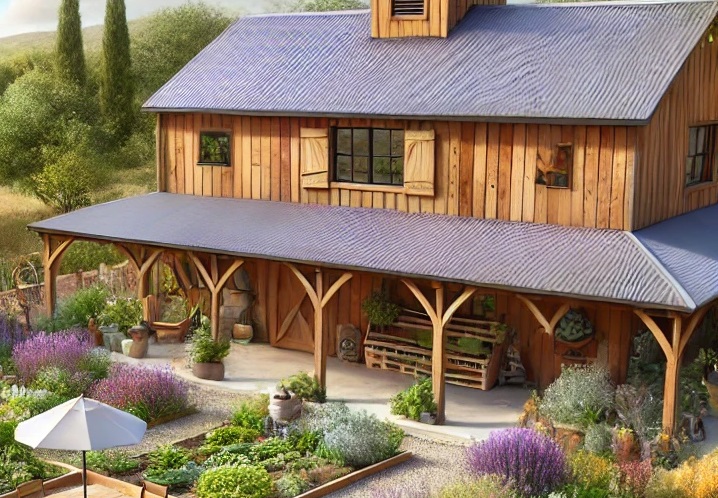
From the road, a well-designed cluster reads as a single compound rather than a disjointed collection of sheds. Consistent metal panel colors and roof pitches tie the modules together. Breezeways and covered walkways create outdoor rooms between buildings. Landscaping softens the industrial edges.
Inside, the modular nature becomes almost invisible. Drywall covers the steel framing. Standard doors and windows make everything feel familiar. The only giveaway might be a six-inch step between modules where foundations settled differently, though careful engineering and adjustable connectors minimize even that.
Some owners lean into the cluster concept, celebrating the connections with glass walkways or garden courtyards between pods. Others go for seamless integration, finishing the gaps so thoroughly that guests never realize they are standing in a building assembled from multiple pieces.
The Resale Question
Nobody wants to build a home that nobody else will buy. Modular clusters actually sell quite well in the right markets, but the buyer pool looks different than traditional home shoppers.
A family looking for turnkey ready won’t appreciate a half-finished cluster with blank connection points waiting for future modules. But buyers who recognize the value of expandable housing actively seek out these properties. Investors see potential for rental income from separate modules. Multigenerational families love having built-in space for grandparents or adult children.
The best strategy for resale involves finishing enough modules to function as a complete home without needing further expansion. A three-module cluster with two bedrooms, a home office, and a guest suite appeals to a much wider audience than a single module with gaping holes in the walls.
Getting Started Without Overwhelming
The families who succeed with modular clusters don’t start with a twenty-year master plan laminated on the refrigerator. They buy the land. They build the first module. They live in it for a year or two before deciding exactly where the kid wing should connect or whether the home office needs morning light or afternoon shade.
That flexibility is the whole point. Traditional construction demands every decision upfront, often years before a family actually knows what they need. Modular clusters let life lead the way. The first child arrives, and the addition follows. The parents get older, and the in-law suite slides into place. A hobby turns into a business, and the workshop module grows into a studio.
The house never stops fitting because the house never stops changing. And that might be the most valuable feature of all.