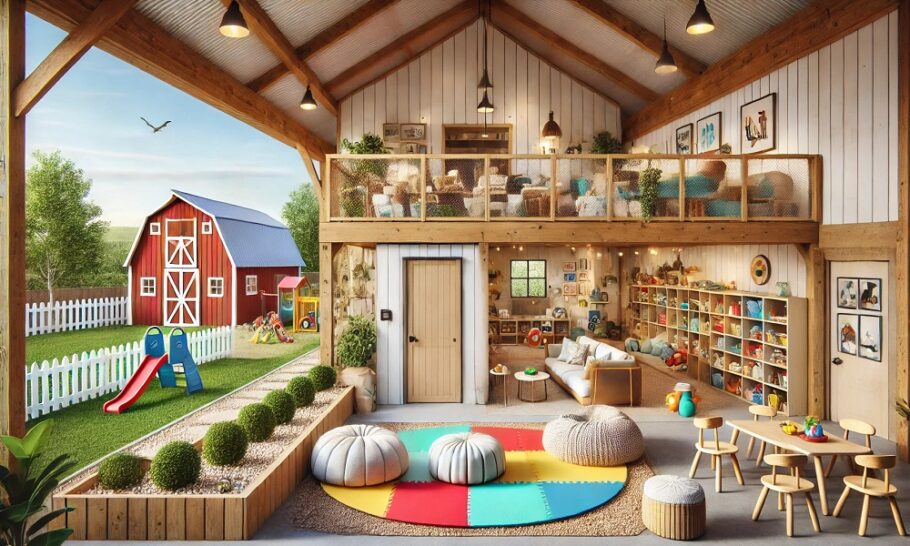
The barndominium crashed the American dream party. No longer just a workshop with a loft for the farmer, these steel-and-wood hybrids are becoming the top choice for first-time buyers and empty nesters alike. Why pay for drywall and crown molding when vaulted ceilings and spray-foam insulation offer better living?
However, convincing a bank that a metal building makes a great home is a different game than getting a loan for a Colonial revival. Lenders have strict boxes. Barndos often refuse to fit inside them. Understanding the right financing path before shaking hands with a builder separates the excited homeowner from the frustrated applicant holding a denial letter.
The Core Problem: “Comps” and Construction Type
Before diving into loan products, one hard truth needs addressing. Traditional mortgage underwriters rely on comparables—recent sales of similar homes nearby. If nobody in the county has sold a barndominium in five years, the automated valuation system throws an error.
Additionally, many lenders worry about “mixed-use” characteristics. Even if a building is 100% residential, that shop bay or wide garage door makes risk departments nervous. They fear the owner might turn the space into an auto repair business, changing the property’s risk profile.
So, how does a buyer get past these hurdles? By choosing the right financing weapon for the specific type of barndo being built.
Option 1: The Construction-to-Permanent Loan (The Gold Standard)
For a true, custom barndominium built from the ground up on raw land, this remains the most common route. Unlike a standard mortgage that funds a finished house, this loan rolls two phases into one.
Lender pays the builder in draws during construction. Once the certificate of occupancy lands on the desk, the loan converts into a standard mortgage.
Why it works for barndos: The appraiser comes to the site during construction. They don’t need to find another barndo down the street. They appraise based on “cost approach”—materials, labor, and land value. Steel frame? High-end finishes? That concrete slab? It all adds up on paper.
The catch: Most construction lenders require 20% to 25% down. Some will accept 10% for exceptional credit, but that’s rare for a nontraditional build. Also, the builder must be licensed and insured. A handshake agreement with the local welding shop won’t satisfy the bank’s title department.
Option 2: USDA Loans (The Rural Loophole)
Here is a secret many barndo builders overlook. The United States Department of Agriculture offers loans for rural properties, and barndominiums qualify—with a massive asterisk.
The property must sit in an eligible rural area. No surprise there. But the barndo must look and function like a single-family home. That means proper kitchen, bathroom, heating, and cooling. No sleeping on a cot next to the tractor.
Where USDA shines: Zero down payment. Competitive interest rates. Lower mortgage insurance than FHA.
Where USDA stumbles: The appraisal is brutal. The appraiser must find “comparable rural properties” that have sold recently. Finding a barndominium comparable in a low-population county is difficult. Some buyers successfully argue that modern farmhouses or pole barn homes serve as comps. Others get denied because the appraiser refused to accept anything without a shingled roof and vinyl siding.
Pro tip: If going USDA, ask the local Rural Development office for a list of approved appraisers who have handled “alternative construction” before. Handing that file to an appraiser who hates metal buildings is a waste of time.
Option 3: FHA 203(k) Rehabilitation Loan (For Conversions)
What about turning an existing pole barn into a home? The standard FHA loan won’t work because the building isn’t finished living space. However, the 203(k) program exists specifically for fixer-uppers and conversions.
This loan bundles the purchase price of the existing structure (or land with a barn) plus the renovation costs into one mortgage. Only one closing. One set of fees.
Option 4: Local Banks and Credit Unions (The Human Touch)
The big online lenders? Forget them. Rocket Mortgage and similar giants run automated algorithms. When the address field says “pole barn” and the structure type says “metal,” the computer spits out a denial instantly with no room for explanation.
Local banks and credit unions hold loans in their own portfolios. They don’t have to sell them to Fannie Mae or Freddie Mac. That means they set their own rules.
What to ask a local lender:
- “Do you offer portfolio loans for unique properties?”
- “What down payment do you require for a barndominium?”
- “Do you use cost approach appraisal or sales comparison?”
Many small-town banks have already financed a dozen barndominiums. They know the fire code requirements. They know insurance is weird. They might ask for 30% down, but at least they say “yes” when the big guys say “no.”
Option 5: Seller Financing (When Banks Just Say No)
Sometimes the best bank is no bank at all. A seller who owns raw land or an existing barn outright might carry the note.
Structure works like this: Buyer pays 10% to 20% down. Seller finances the rest at an agreed interest rate, usually 5% to 8%. Balloon payment due in five to ten years, at which point the buyer refinances with a traditional lender after the barndo is complete.
Risk on this path: Seller financing often carries higher interest rates. Also, the seller might call the loan due early if payments are late. Get everything in writing, including what happens if the seller dies or sells the note to a collection company.
Option 6: Cash-Out Refinance on Existing Home
Building a barndominium as a second property or vacation home? Tapping equity from the primary residence avoids construction loan hassles altogether.
A cash-out refi pulls equity out of an existing home as a lump sum. Use that cash to build the barndo debt-free. No lender inspections during construction. No draw schedules. No arguing over what qualifies as a “kitchen countertop.”
The trade-off: The primary residence’s mortgage balance increases, and interest rates on cash-out refis run slightly higher than standard rates. Also, if the primary residence doesn’t have enough equity, this option disappears.
Critical Tips for Barndominium Financing Success
Separate the land from the building. Lenders hate buying raw land with no immediate construction plan. If possible, buy the land with cash first. Then approach a lender for a construction loan. Owning the dirt outright reduces the loan-to-value ratio and makes underwriters much friendlier.
Get engineering stamps on everything. A set of drawings from a barndominium kit company won’t cut it. Hire a local structural engineer to stamp the plans. This proves the building meets snow load, wind load, and seismic requirements. Lenders sleep better knowing an engineer signed off.
Build a “house” that happens to have metal siding. Design the interior to look like a traditional home from the appraisal photos. That means separate bedrooms, a defined living room, and a kitchen with standard appliances. No open loft bedroom above the parking area. No bathroom accessible only through the shop. Lenders want to see a floor plan that matches a suburban house.
Insurance first, then loan. Before applying for financing, get a homeowners insurance quote from a carrier that covers barndominiums—Foremost, American Modern, or a local farm bureau. Bring that quote to the loan application. Showing proof of insurability eliminates a major objection point for underwriters.
Expect a higher down payment. 5% down conventional loans rarely work for barndos. Be prepared for 15% to 30% down, especially on raw land or construction loans. This is not a penalty. It is the bank protecting itself against an asset that takes longer to sell than a track home.
Document everything in a professional packet. Create a proposal that includes floor plans, exterior renderings, material lists, builder contract, engineering stamps, insurance quote, land deed, and a detailed budget. Submit this packet before the lender asks for it. Looking organized signals low risk. Looking confused signals denied.
Know the exit strategy for shop space. If the barndo includes a large garage or workshop, tell the lender it will store “personal recreational vehicles and household items.” Say “classic car collection” or “woodworking hobby.” Never say “home business” or “rental space” unless wanting to shift into a commercial loan at double the interest rate.
Final Reality Check
Financing a barndominium requires more patience than financing a tract home. The first three lenders might say no. The fourth might say yes with conditions. The fifth might become a lifelong partner for future projects.
The key is understanding that barndos are not defective houses. They are just different. Different requires different underwriting. Different requires local banks, portfolio loans, or government programs designed for rural living.
Build the dream barndo. Just build the financing plan first. A beautiful steel frame does nothing if the bank owns the land beneath it.