
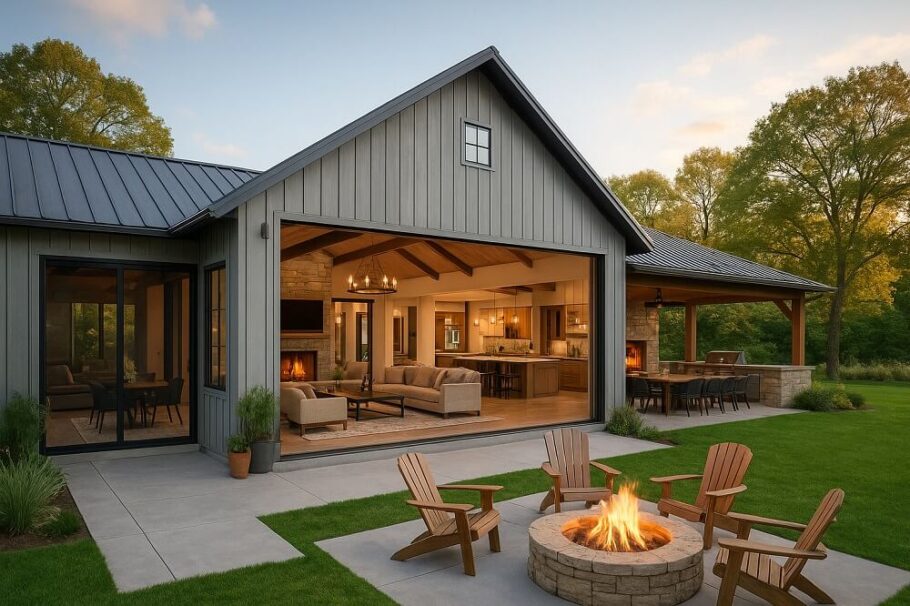
The moving truck is gone. The echo of empty space bounces off those glorious steel walls. After months of planning, budgeting, and explaining to relatives that yes, a barndominium is a real house, the moment has finally arrived. This is not a Pinterest tour. This is survival mode with a rustic twist.
The first day inside a new barndominium feels different from moving into a traditional stick-built home. There is no settling into a cozy neighborhood vibe right away. Instead, there is a vast, open canvas of concrete, metal, and potential—along with a few unique challenges that standard homeowners never face. A realistic approach to those first 24 hours makes the difference between waking up refreshed or waking up wondering what just happened.
Before the Moving Truck Even Arrives
Smart preparation starts before a single box crosses the threshold. The key handoff should happen with plenty of daylight left. No one wants to hunt for the main water shutoff valve with a cell phone flashlight at nine o’clock at night.
Get the utilities confirmed in writing before moving day. Barndominiums often sit on rural properties where propane tanks need filling, well pumps need priming, or septic systems need attention. Call the propane company at least a week ahead. Those tanks arrive empty more often than expected. The same goes for the water heater—check that it is actually running before planning that first hot shower.
A basic toolkit belongs in the vehicle that arrives first. Nothing fancy. Just a multi-bit screwdriver, adjustable wrench, pliers, utility knife, and a roll of duct tape. Barndominiums have a tendency to reveal loose electrical cover plates, unsealed gaps around plumbing penetrations, and doors that need a quarter-turn adjustment on day one.
The First Walkthrough With Fresh Eyes
Once inside, take a slow loop around every room. Not the excited, skipping-around kind of loop. The methodical, suspicious kind. Look up at the ceiling where the barndominium’s steel framing meets the drywall or wood accents. Look down at the floor where the concrete slab meets the baseboards. These transition points tell the real story.
Check every window and door seal. Barndominiums can develop surprising drafts if the spray foam insulation missed a spot or if the weatherstripping got damaged during construction. Run a hand along the edges of exterior doors. Feel any air movement? That needs addressing now, not in February.
Turn on every light switch, even the ones that seem unimportant. Flip every breaker in the panel while someone else watches which outlets go dead. Label that panel immediately with a Sharpie. Future self will send thanks when trying to troubleshoot why the guest bedroom outlets stopped working at midnight.
The Water and Plumbing Reality Check
Here is where barndominium life gets interesting. Many of these homes use tankless water heaters, which means waiting a solid thirty seconds for hot water to travel from the mechanical room to the far bathroom. That is normal. What is not normal is banging pipes or water that never gets hot.
Run every faucet—hot and cold—for at least two minutes. Flush every toilet twice. Run the dishwasher through a quick rinse cycle if possible. Listen for weird sounds. Look under sinks for drips within the first hour of water running through the system. Construction debris sometimes lodges in aerators or supply lines, causing sputtering or low pressure. Cleaning out those aerators takes five minutes. Ignoring them leads to a call to the plumber on a Sunday.
The washing machine deserves special attention. Barndominium laundry rooms often sit near the mechanical core, but drainage lines can be finicky. Run a small test load of old towels before committing to a full batch of favorite shirts. Nothing ruins day one like a drain backup.
Taming the Temperature Situation
Those wide-open spaces and tall ceilings create a thermal challenge. A barndominium does not respond to heating and cooling the way a standard house does. The first twenty-four hours require figuring out the HVAC system’s personality.
Set the thermostat to a reasonable temperature—not cranking it to extremes expecting instant results. Give the system time to work. Walk around feeling for hot or cold spots near large windows or garage doors that were converted into living spaces. Many barndominiums have zones or multiple thermostats. Learn where each one lives and what it controls.
Pay attention to the attic or loft area if the floor plan includes one. Heat rises, and that loft can become unbearable in summer if the insulation or HVAC register placement missed the mark. A simple thermometer placed upstairs for the first day provides valuable data.
Addressing the Acoustics Immediately
Here is something the glossy magazines never mention. Barndominiums can be loud. Really loud. That beautiful metal roof amplifies rain into a drum solo. Those concrete floors bounce every footstep and drop spoons into an echo chamber. Open floor plans mean the kitchen blender sounds like it is inside the bedroom.
The first day is the right time to start softening the space before permanent furniture arrives. Unroll area rugs, even cheap temporary ones, over high-traffic concrete areas. Hang heavy moving blankets over the largest wall surfaces. Set up bookshelves or storage units perpendicular to main living areas to break up sound waves.
Do not panic about the echo. Every barndominium sounds like an aircraft hangar on day one. Carpets, curtains, upholstered furniture, and wall art will absorb that reverberation over time. But the first night of sleep requires some immediate help. Position the bed away from the largest open space and consider sleeping with a white noise machine or fan running.
The First Night Setup
Unpacking can wait. Sleeping cannot. Set up one bedroom completely before touching any other room. That means bed assembled, sheets on, pillows fluffed, and a clear path to the bathroom. Nothing else matters for the first night.
Locate the nearest bathroom and make sure it has toilet paper, hand soap, and towels within reach. Nighttime trips through an unfamiliar dark barndominium lead to stubbed toes and muttered frustrations. A nightlight or two in hallways saves real pain.
Check bedroom windows for proper locking mechanisms and coverings. That first morning sunrise through bare steel-framed windows arrives earlier and brighter than expected. Temporary blinds or even clipped-up sheets make a difference between sleeping until seven or being wide awake at five.
Security and Exterior Checks
Barndominiums often sit on acreage with long driveways and limited neighbors. That privacy feels wonderful, but it also means no one notices unusual activity. Walk the perimeter before dark.
Check every exterior door lock and deadbolt. Many barndominiums have multiple entry points—standard front doors, garage pedestrian doors, sliding barn doors, and patio entrances. Ensure all of them are secure properly. Test the garage door openers if attached garage space exists.
Look at outdoor lighting. Does the motion sensor light near the driveway actually work? Is there a light switch near each exterior door that makes sense? The first night reveals every single dark corner that needs attention. Make notes rather than stumbling around in the dark.
Motion sensor lights near the entry door and along the path from the parking area rank as top priorities. No one wants to fumble for keys while standing in complete darkness on an unfamiliar property.
The Mechanical Room Tour
Every barndominium has a mechanical heart. Find it immediately. This room or closet contains the water heater, HVAC air handler, water softener if installed, pressure tank for the well, and the main electrical panel. Open every access panel and look inside. Not with paranoia, but with basic awareness.
Find the main water shutoff valve and turn it off and on once just to confirm it works. Nothing worse than discovering a frozen valve when a pipe bursts. Locate the circuit breaker for the well pump if applicable. Find the emergency shutoff for the HVAC system. These simple discoveries turn a potential disaster into a minor inconvenience.
Write down model numbers and serial numbers from major equipment. Take photos with a phone. This information becomes invaluable when something needs repair or replacement down the road. Right now, in the first twenty-four hours, everything is new and legible. That changes fast.
Managing the Mess and Movement
Boxes will pile up. Furniture will sit in the wrong rooms. That is fine. The goal for day one is not organization. The goal is creating a functional, safe, comfortable space for sleeping and basic living.
Designate one corner or one room as the staging area. All boxes go there until needed. Keep pathways clear between the bedroom, bathroom, kitchen sink, and main entrance. Tripping hazards multiply when tired and stressed.
Have a basic trash and recycling setup ready. Barndominium living often means hauling trash to a collection point or dumpster rather than rolling a cart to the curb. Figure out that system immediately. Overflowing bags of packing materials create chaos fast.
The First Morning Assessment
Wake up and pay attention to everything. How did the temperature feel overnight? Could the sounds of the water pressure tank cycling be heard from the bedroom? Did any strange settling noises come from the steel framing as the morning sun hit the exterior?
That first morning provides the clearest picture of what works and what needs adjustment. Take notes while fresh. Cold spots near certain windows. A bathroom exhaust fan that rattles. The refrigerator is making a noise that seems wrong. These observations are gold for the punch list.
Before unpacking a single additional box, address any urgent issues discovered overnight. A drafty door needs weatherstripping. A noisy toilet fill valve needs adjustment. A thermostat that overshot the target temperature needs reprogramming. Tackle these tasks while still in moving mode rather than settling into denial.
One more thing deserves attention that first morning: look around with genuine appreciation. Barndominiums require more troubleshooting early on than traditional homes. The reward comes in the character, the space, and the freedom of a home built differently. That first cup of coffee, drunk from a temporary mug while standing on a concrete floor surrounded by moving boxes, tastes like victory. Just make sure the coffee maker is plugged into an outlet that actually works.