
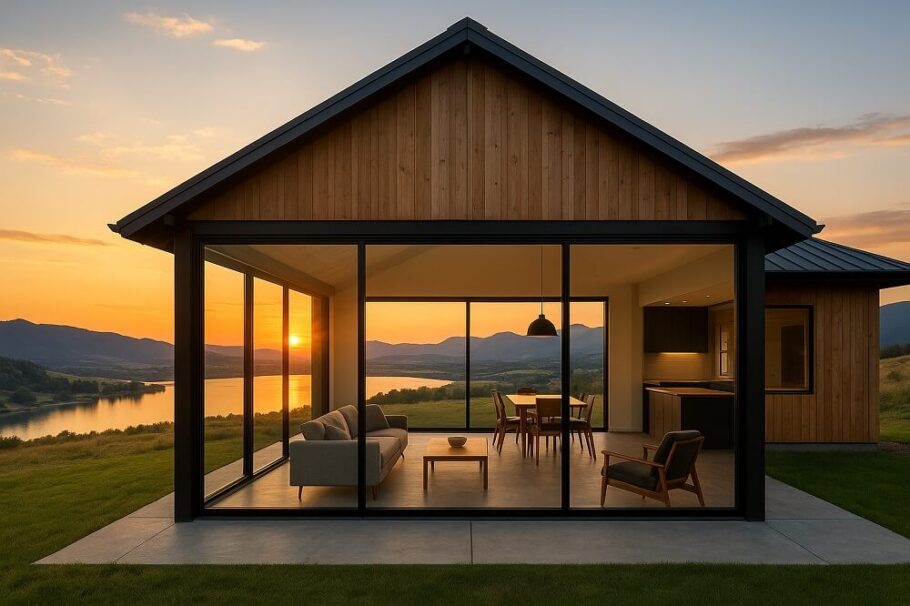
Interior work is where a barndominium finally starts to feel like a home. Walls go up, rooms take shape, and finishes bring personality into the steel shell. But interior construction is also the phase where mistakes become expensive, delays multiply, and coordination problems surface fast—especially in barndominiums, where metal building systems behave differently than conventional wood framing.
Before drywall, flooring, cabinetry, or trim ever begins, there are several non-negotiable items that must be completed, verified, and documented. Skipping or rushing these steps can lead to rework, moisture problems, structural conflicts, or failed inspections.
This guide walks through everything you must have in place before barndominium interior work begins, from engineering documents and utility rough-ins to moisture control and inspection readiness.
A Fully Approved Structural and Interior Layout Plan
Before any interior work starts, your barndominium needs finalized and approved drawings—not “almost done” plans or contractor sketches.
This includes:
- Final architectural floor plans
- Structural framing plans
- Interior partition wall layouts
- Ceiling heights and soffit locations
- Stair, loft, or mezzanine details if applicable
In a barndominium, interior walls may:
- Carry roof or mezzanine loads
- Brace the steel frame laterally
- Support heavy finishes like tile, stone, or cabinetry
Starting interior work without confirmed load paths can result in:
- Improper wall placement
- Undersized framing
- Structural conflicts with steel columns or girts
Once interior framing begins, changes become costly. Final plans must be locked in.
Foundation and Slab Work Fully Completed and Cured
Interior construction should never begin until the foundation system is 100% complete, inspected, and cured.
This includes:
- Slab-on-grade placement
- Thickened edges and grade beams
- Anchor bolts and column base plates
- Embedded utilities and sleeves
- Moisture vapor barrier under the slab
Concrete needs adequate curing time—typically at least 7–14 days—before heavy framing loads or materials are placed on it.
You must also verify:
- Slab elevations are correct
- Floors are level within acceptable tolerances
- No cracking, spalling, or honeycombing exists
Interior finishes magnify slab imperfections. A rushed slab phase guarantees problems later.
Building Shell Completely Weather-Tight
Interior work should only begin once the barndominium shell is fully sealed from the elements.
This means:
- Roof panels installed and flashed
- Exterior wall panels complete
- Windows and exterior doors installed
- Penetrations sealed (vents, pipes, conduits)
Metal buildings are particularly sensitive to moisture intrusion. Even a few rain events inside an unfinished shell can cause:
- Rust on steel framing
- Mold growth on wood framing
- Swollen insulation
- Warped subfloors
If the building is not weather-tight, interior work waits—no exceptions.
Verified Moisture and Condensation Control Strategy
Barndominiums fail more often from moisture issues than from structural ones. Before interior work begins, you must have a clear, intentional moisture management plan.
This includes:
- Vapor barriers (slab, walls, roof)
- Insulation type and placement
- Thermal breaks between steel and interior finishes
- Ventilation strategy
Key questions that must be answered:
- Where is the primary vapor control layer?
- How is condensation prevented on metal panels?
- Is insulation continuous or cavity-based?
- How is humid air exhausted?
Interior finishes trap moisture problems permanently. If moisture control isn’t addressed first, drywall and flooring will suffer.
Rough-In for Electrical, Plumbing, and HVAC Completed
Interior finishes must never be installed before all rough-ins are complete and inspected.
This includes:
- Electrical conduit and boxes
- Plumbing supply and drain lines
- HVAC ductwork or mini-split lines
- Gas piping (if applicable)
- Low-voltage wiring
Barndominiums require special attention because:
- Steel framing limits drilling and notching
- Penetrations through metal must be planned early
- Mechanical runs often conflict with girts or purlins
Once walls are closed, corrections become invasive and expensive. Every trade must finish rough-ins first.
Passed Rough-In Inspections
Before insulation or drywall begins, all rough-ins must pass local inspections.
Typical inspections include:
- Electrical rough-in
- Plumbing rough-in
- Mechanical/HVAC rough-in
- Framing inspection
Skipping or failing inspections leads to:
- Forced demolition
- Schedule delays
- Reinspection fees
- Code compliance issues
Interior work should not proceed until you have documented approvals from the building authority.
Interior Framing Properly Anchored and Braced
Interior framing in a barndominium is not just about dividing rooms. It must be:
- Properly anchored to the slab
- Connected correctly to steel framing
- Designed to handle movement differences between steel and wood
Before drywall:
- Bottom plates must be sealed and anchored
- Top connections must allow for steel deflection
- Load-bearing walls must be verified
- Fire blocking must be installed
Steel buildings expand and contract differently than wood. Improper framing connections lead to cracks, pops, and long-term damage.
Insulation Materials On-Site and Approved
Once inspections pass, insulation should be ready to install immediately.
Before interior work begins, confirm:
- Insulation type matches design (spray foam, batt, rigid)
- R-values meet energy code
- Fire ratings are approved
- Moisture resistance is appropriate
Barndominiums often rely on spray foam or hybrid systems. Improper sequencing—such as installing drywall before foam cures—can cause adhesion failures and odor problems.
Interior Finish Selections Finalized
Interior work grinds to a halt when selections are missing.
Before starting:
- Flooring types and thicknesses must be known
- Tile layouts must be planned
- Cabinet dimensions finalized
- Plumbing fixture specs confirmed
- Door swings and hardware selected
These decisions affect:
- Framing dimensions
- Rough-in heights
- Electrical box locations
- Structural backing requirements
Interior work should begin only when finishes are fully specified, not “to be decided later.”
Material Storage and Site Protection Plan
Interior materials are vulnerable to damage long before installation.
You must have:
- Dry, secure storage space
- Protection for slab surfaces
- Dust control measures
- Traffic management paths
Barndominium shells are large and open. Without a plan, materials get damaged, warped, or contaminated before use.
Clear Construction Sequence and Trade Coordination
Interior work involves many trades working in tight coordination.
Before starting:
- Construction schedule must be finalized
- Trade responsibilities clearly defined
- Material delivery timelines confirmed
- Access points established
Poor sequencing leads to:
- Trades working over each other
- Rework from conflicts
- Extended project timelines
Interior success is about coordination as much as craftsmanship.
Final Pre-Interior Checklist
Before interior work begins, confirm all of the following:
- Approved plans in hand
- Slab cured and inspected
- Shell fully weather-tight
- Moisture control strategy in place
- All rough-ins complete and passed
- Interior framing anchored and braced
- Insulation ready
- Finish selections finalized
- Storage and protection planned
- Schedule coordinated
If even one item is missing, pause and fix it first.
Final Thoughts
Interior construction is where most barndominium projects either shine or struggle. The steel shell may go up quickly, but interior work demands precision, planning, and discipline.
By ensuring everything is in place before interior work begins, you:
- Reduce costly rework
- Improve build quality
- Protect finishes
- Maintain code compliance
- Keep schedules on track
In barndominium construction, preparation is the difference between a smooth interior build and a painful one. Get these fundamentals right, and the rest of the project becomes dramatically easier.