
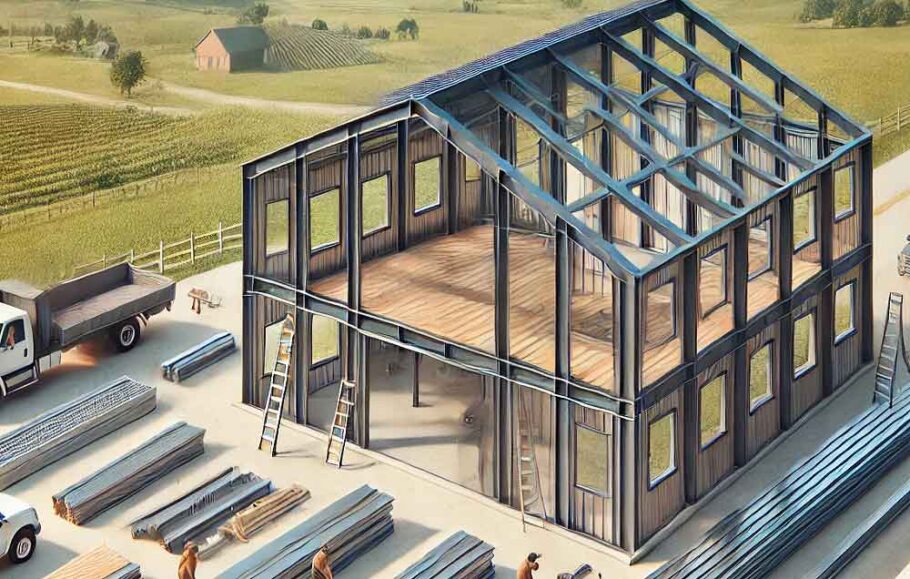
An unfinished barndominium is an exciting sight for any owner—it means progress is happening. But until the project is fully enclosed and occupied, that same open, partially built structure is vulnerable. Vandals, thieves, curious trespassers, animals, and harsh weather all pose real risks during the construction phase. Without proper precautions, damage can occur quickly, leading to costly repairs, delays, and insurance headaches.
Securing an unfinished barndo is not just about locking a door. It’s a layered approach that protects the structure, materials, and systems while controlling access and minimizing exposure to the elements. Whether your barndominium is framed, partially enclosed, or still in the shell stage, the strategies below will help keep it safe until move-in day.
Why Unfinished Barndominiums Are High-Risk Targets
Construction sites naturally attract attention. Barndominiums, especially in rural or semi-rural areas, can sit unattended for days or weeks at a time. That combination makes them particularly vulnerable.
Common risks include:
- Theft of tools, wiring, plumbing fixtures, and appliances
- Vandalism such as graffiti, broken windows, or damaged panels
- Trespassing injuries that could create liability issues
- Weather damage from rain, wind, heat, or freezing temperatures
- Animals nesting inside walls or insulation
Understanding these risks is the first step toward building a solid security plan.
Securing the Building Envelope Early
One of the most important goals during construction is to close in the structure as soon as possible. Even temporary enclosure measures can significantly reduce both vandalism and weather exposure.
Install Exterior Doors as Soon as Openings Are Framed
Temporary construction doors or solid-core doors with deadbolts are far better than leaving openings exposed. Even if the final doors are not ready, temporary doors can be installed and replaced later.
Cover Windows and Large Openings
Before windows are installed, cover openings with plywood or OSB screwed—not nailed—into framing. Screws are harder to remove quickly and discourage casual trespassing.
Seal Roof and Wall Penetrations
Any roof penetrations, wall openings, or mechanical chases should be temporarily sealed. Water intrusion during construction is one of the most common and expensive issues in unfinished barndos.
Temporary Fencing and Controlled Access
Creating a physical boundary around the site adds a strong first layer of protection.
Install Temporary Construction Fencing
Chain-link fencing or temporary panel fencing clearly signals that the site is restricted. Even in rural locations, fencing reduces curiosity-driven entry.
Limit Entry Points
Use one main gate or access point and keep it locked. Multiple entry points make it easier for unauthorized visitors to come and go unnoticed.
Post Clear Signage
“No Trespassing,” “Construction Site,” and “Authorized Personnel Only” signs help deter vandals and provide legal protection if trespassing occurs.
Locking Down Materials and Equipment
Unfinished barndominiums often store valuable materials on-site long before installation.
Use Lockable Storage Containers
Jobsite storage containers or tool trailers are far safer than leaving materials inside an open structure.
Secure High-Value Items
Copper wiring, plumbing fixtures, HVAC components, and appliances should be delivered as close to installation time as possible. If they must be stored on-site, lock them up.
Anchor Large Items
Generators, compressors, and heavy equipment should be chained or anchored to prevent theft.
Temporary Lighting and Visibility
Dark construction sites are far more appealing to vandals.
Install Motion-Activated Lighting
Battery-powered or solar motion lights are inexpensive and effective. Sudden lighting draws attention and discourages trespassers.
Keep the Site Visibly Active
Even simple signs of activity—such as parked vehicles during work hours or regular site visits—reduce the chance of vandalism.
Trim Nearby Vegetation
Overgrown brush or tall grass creates hiding spots. Keeping the area clear improves visibility from roads or neighboring properties.
Using Cameras and Remote Monitoring
Technology has made site security more accessible than ever, even in areas without permanent power.
Wireless Security Cameras
Cellular or solar-powered cameras can send alerts to your phone when motion is detected. Even visible cameras act as a deterrent.
Trail Cameras for Remote Areas
In very rural locations, trail cameras are a simple, cost-effective option. They capture movement and provide evidence if incidents occur.
Monitor Deliveries and Work Progress
Cameras also help track deliveries and contractor activity, reducing disputes and ensuring accountability.
Weather Protection During Construction
Weather can cause just as much damage as vandals—sometimes more.
Protect the Interior from Moisture
Rain and humidity can ruin insulation, warp framing, and lead to mold growth. Use tarps, temporary sheathing, or weather-resistant wraps where permanent materials are not yet installed.
Secure Loose Materials Against Wind
Metal panels, insulation, and lumber can become dangerous projectiles in high winds. Strap or stack materials properly.
Cover Slabs and Subfloors
Concrete slabs should be protected during curing, and exposed subfloors should be covered to prevent swelling or rot.
Plan for Seasonal Conditions
In hot climates, prolonged heat can damage adhesives and finishes. In cold regions, freezing temperatures can crack pipes or damage concrete if not protected.
Preventing Animal and Pest Intrusion
Open barndos are inviting to wildlife.
Seal Ground-Level Openings
Even small gaps can allow rodents, snakes, or raccoons inside. Temporary mesh or blocking can prevent entry.
Avoid Leaving Food or Trash On-Site
Construction debris and food waste attract animals quickly.
Inspect Before Closing Walls
Before insulation and drywall are installed, inspect for nests, droppings, or damage that may have occurred during the open phase.
Insurance Considerations for Unfinished Barndominiums
Many owners assume standard insurance applies during construction—but that’s not always true.
Verify Builder’s Risk Coverage
A builder’s risk policy typically covers theft, vandalism, and weather damage during construction. Confirm coverage limits and exclusions.
Document the Site Regularly
Take dated photos or videos during construction. Documentation helps support insurance claims if damage occurs.
Understand Liability Exposure
Unsecured sites can expose owners to liability if someone is injured while trespassing. Proper fencing, signage, and locks help mitigate risk.
Working with Contractors on Site Security
Security is a shared responsibility.
Set Clear Expectations
Contractors should lock doors, secure materials, and report suspicious activity.
Coordinate Delivery Timing
Avoid leaving expensive materials unattended for long periods.
Schedule Regular Site Checks
If the site is not visited daily, schedule routine inspections—especially after storms or long weekends.
Preparing for the Transition to Full Enclosure
As the project nears completion, security strategies should evolve.
Replace Temporary Measures with Permanent Ones
Swap construction locks for permanent hardware and remove temporary coverings once windows and doors are installed.
Test Permanent Systems Early
Install permanent exterior lighting, cameras, or alarm systems before move-in to ensure everything works properly.
Final Walk-Through for Vulnerabilities
Look for weak points such as poorly sealed doors, exposed wiring, or unprotected exterior outlets.
The Cost of Security vs. the Cost of Damage
Some owners hesitate to spend money on temporary security measures. But the cost of replacing stolen materials, repairing vandalism, or fixing water damage almost always exceeds the cost of prevention.
A single broken window, flooded interior, or stolen copper run can delay construction by weeks and add thousands of dollars in unexpected expenses. Security is not an optional upgrade—it’s part of responsible project management.
Final Thoughts: Protecting Your Investment from Day One
An unfinished barndominium represents a major investment of time, money, and vision. Until it becomes a finished, occupied home or workspace, it remains vulnerable. By securing the structure early, controlling access, protecting against weather, and using simple technology, you dramatically reduce the risks that come with construction.
The goal is not just to stop vandals—it’s to preserve progress. A well-secured site keeps your project on schedule, protects your materials, and ensures that when construction is complete, your barndominium is exactly what you planned it to be.