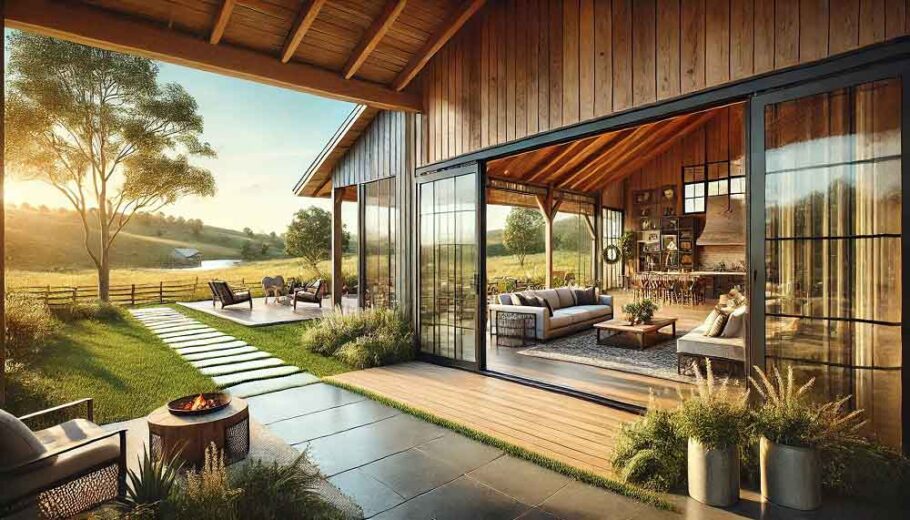
Barndominiums have evolved far beyond their agricultural roots. What began as simple steel-clad structures has transformed into a highly customizable housing solution that blends durability, efficiency, and modern design. One of the most popular evolutions in this space is the hybrid barndominium build—a construction approach that combines a metal exterior shell with traditional stick framing on the interior.
This hybrid method offers the best of both worlds: the strength, speed, and weather resistance of a metal building, paired with the familiarity, flexibility, and code acceptance of conventional wood framing inside. For homeowners, designers, and builders alike, hybrid barndominiums unlock new design possibilities while solving some of the most common challenges associated with all-metal or all-post-frame structures.
In this in-depth guide, we’ll explore how hybrid barndominiums work, why they’re gaining popularity, how they’re built, and what you should consider before choosing this approach for your next project.
What Is a Hybrid Barndominium Build?
A hybrid barndominium typically consists of a pre-engineered metal building shell—including steel columns, roof purlins, girts, and metal siding—while the interior living spaces are framed using traditional wood studs, joists, and trusses.
Instead of relying entirely on steel framing for interior walls, floors, and ceilings, the hybrid approach treats the metal structure as a protective envelope. Inside that shell, the home is built much like a conventional stick-built house.
This method is especially appealing to homeowners who love the barndominium aesthetic and durability but prefer the comfort, acoustics, and design flexibility of wood-framed interiors.
Why Hybrid Builds Are Gaining Popularity
Hybrid barndominiums are not just a trend—they’re a practical response to real-world building challenges.
Familiarity for Builders and Inspectors
Most residential contractors are deeply familiar with wood framing. Stick-built walls, floors, and ceilings are standard practice in residential construction, which means fewer learning curves, fewer mistakes, and smoother inspections.
Building inspectors and lenders also tend to be more comfortable approving homes that use conventional framing methods for habitable spaces, even if the exterior shell is steel.
Design Flexibility Inside the Shell
Steel buildings excel at creating large, open spans—but they can be limiting when it comes to interior wall placement, insulation details, and finishes. Stick framing allows for:
- Easier room reconfiguration
- Standard drywall installation
- Simple electrical and plumbing routing
- Traditional door and window framing
- Multi-story layouts with familiar floor systems
This flexibility is especially important for homeowners who want their barndominium to feel like a traditional home on the inside.
Improved Thermal and Acoustic Performance
Metal structures are notorious for thermal bridging and sound transmission. Wood framing helps reduce these issues by creating natural breaks in conductive pathways and providing cavities that are easier to insulate properly.
Hybrid builds often feel quieter, warmer, and more comfortable than fully steel-framed interiors.
How a Hybrid Barndominium Is Constructed
Understanding the construction sequence is essential when planning a hybrid build.
Step One: Foundation and Slab Design
Most hybrid barndominiums start with a reinforced concrete slab-on-grade foundation. The slab must be engineered to support both the steel shell and the interior framed structure.
Key considerations include:
- Anchor points for steel columns
- Thickened edges or grade beams
- Plumbing rough-ins coordinated with interior framing
- Load paths for interior bearing walls or staircases
In some designs, interior wood-framed walls are non-load-bearing, relying entirely on the steel shell for structural support.
Step Two: Erecting the Metal Shell
The steel building is erected first, forming a weather-tight envelope. This includes:
- Steel columns and rafters
- Roof purlins and wall girts
- Metal roofing and siding
- Insulation systems or vapor barriers (if included at this stage)
Once the shell is complete, construction can continue regardless of weather conditions—a major advantage in many climates.
Step Three: Interior Stick Framing
With the shell in place, the interior is framed like a traditional house.
This typically includes:
- Wood stud walls (2×4 or 2×6)
- Interior load-bearing walls if required
- Floor systems for lofts or second stories
- Ceiling joists or dropped ceilings
- Framed chases for HVAC, plumbing, and electrical
Because the metal shell spans large distances, interior walls often do not need to align with exterior structural elements, giving designers significant freedom.
Step Four: Utilities, Insulation, and Finishes
Once framing is complete, the home proceeds through standard residential construction phases:
- Electrical and plumbing rough-ins
- HVAC ducting and equipment
- Wall and ceiling insulation
- Drywall, trim, and paint
- Flooring, cabinetry, and fixtures
At this stage, a hybrid barndominium is virtually indistinguishable from a conventional home on the inside.
Structural Considerations in Hybrid Designs
Hybrid builds require careful coordination between steel and wood systems.
Load Transfer and Independence
One of the most important design decisions is whether interior walls will carry loads or remain independent of the steel structure.
- Independent framing allows wood walls to float inside the shell, reducing movement conflicts.
- Load-sharing designs require precise engineering to ensure steel and wood components work together without differential movement.
Most hybrid barndominiums favor structural independence for simplicity and long-term durability.
Movement and Expansion Differences
Steel and wood expand and contract at different rates due to temperature and humidity changes. Proper detailing—such as slip connections and expansion gaps—is essential to prevent cracking, noise, or structural stress.
Insulation Strategies for Hybrid Barndominiums
One of the strongest advantages of hybrid builds is insulation flexibility.
Wall Insulation Options
Wood-framed walls can accommodate a wide range of insulation types, including:
- Fiberglass batts
- Mineral wool
- Dense-pack cellulose
- Spray foam combinations
This makes it easier to meet or exceed energy code requirements compared to insulating exposed steel framing.
Roof and Ceiling Assemblies
Hybrid designs often include dropped ceilings or attic spaces, allowing for traditional insulation methods like blown-in cellulose or batt insulation—something that’s harder to achieve in fully metal interiors.
Condensation Control
Metal shells are prone to condensation issues if not properly detailed. Hybrid builds must carefully integrate vapor barriers, air sealing, and ventilation to prevent moisture problems within the wall cavities.
Cost Implications of a Hybrid Build
Hybrid barndominiums are not always the cheapest option, but they often deliver better long-term value.
Where Costs May Increase
- Additional materials for interior framing
- More labor compared to all-steel interiors
- Engineering coordination between systems
Where Costs May Decrease
- Faster shell erection
- Reduced finishing challenges
- Fewer custom steel interior components
- Lower HVAC and energy costs over time
For many homeowners, the improved livability and resale appeal justify the modest increase in upfront costs.
Code Compliance and Financing Benefits
Hybrid barndominiums often face fewer hurdles with:
- Residential building codes
- Appraisals
- Mortgage approvals
- Insurance underwriting
Because the interior construction closely resembles conventional housing, lenders and insurers are more comfortable evaluating risk and value.
This can be a decisive advantage in regions where fully steel or post-frame homes face scrutiny.
Design Opportunities Unique to Hybrid Barndominiums
Hybrid builds unlock creative possibilities that are difficult to achieve with single-system construction.
Open-Concept Living with Defined Spaces
Steel shells allow for wide-open spans, while wood framing enables defined rooms where needed. This combination supports:
- Large great rooms
- Private bedroom wings
- Sound-isolated offices
- Multi-story living areas
Loft and Mezzanine Integration
Wood floor systems make it easier to add lofts, bonus rooms, or mezzanines without complex steel detailing.
Traditional Finishes with Industrial Exteriors
Hybrid barndominiums excel at blending aesthetics—rustic or modern metal exteriors paired with warm, traditional interiors that feel instantly familiar.
Potential Drawbacks to Consider
No building method is perfect, and hybrid barndominiums have their challenges.
- Requires strong coordination between steel and residential trades
- Poor detailing can lead to moisture or movement issues
- Design mistakes early in planning can be costly to correct later
- Not all metal building suppliers are experienced with hybrid projects
Working with designers and engineers who understand both systems is essential.
Is a Hybrid Barndominium Right for You?
A hybrid barndominium is an excellent choice if you want:
- The durability and speed of a metal building
- The comfort and familiarity of a stick-built home
- Flexible interior layouts
- Easier permitting and financing
- Long-term energy efficiency
It may not be ideal if you are pursuing an ultra-minimal, industrial interior or trying to minimize construction complexity at all costs.
Final Thoughts
The hybrid barndominium represents a thoughtful evolution in modern rural and semi-rural housing. By combining a metal shell with traditional stick framing inside, homeowners gain strength, flexibility, and livability without compromising on design or comfort.
As barndominiums continue to gain mainstream acceptance, hybrid construction stands out as a smart, future-ready solution—one that bridges the gap between innovative building systems and time-tested residential practices. For those seeking a home that is both resilient and refined, the hybrid barndominium offers a compelling path forward.