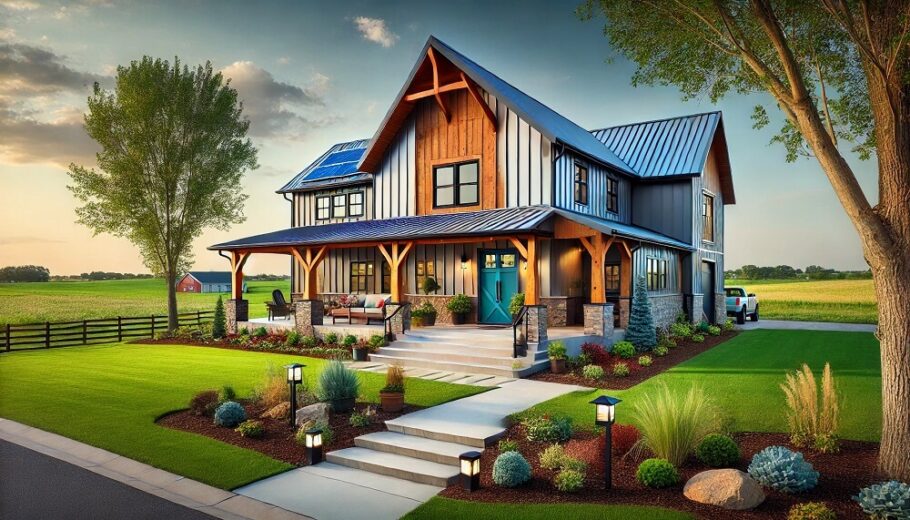
Barndominiums have moved far beyond their agricultural roots and are now a popular housing choice for people who want durability, design flexibility, and cost efficiency. However, while building or living in a barndominium can be straightforward, insuring one properly is often confusing. Many owners assume barndominium insurance works just like standard homeowners insurance, only to discover gaps in coverage after a claim is denied or underpaid.
Because barndominiums combine residential living with metal construction and, in some cases, workshops or mixed-use spaces, insurance companies often view them differently than conventional homes. Getting the right coverage requires planning, documentation, and a clear understanding of how insurers evaluate risk.
This guide explains everything you need to know about properly insuring a barndominium, from choosing the right policy type to avoiding common mistakes that leave owners underinsured.
Why Barndominium Insurance Is Different
Traditional homes are built and categorized in ways that insurance companies understand well. Barndominiums, on the other hand, often fall into gray areas. Some insurers see them as metal buildings. Others see them as barns converted into homes. Still others treat them as custom residences.
These differences matter because insurers base premiums and coverage terms on factors such as construction materials, replacement cost, usage, and risk exposure. A barndominium that includes a large workshop, garage, or commercial space may not qualify for a standard homeowners policy at all.
Understanding this distinction early can save time, money, and frustration later.
Step One: Identify How Your Barndominium Is Used
Before contacting an insurance provider, you must clearly define how the barndominium is used. Insurance eligibility and pricing depend heavily on this factor.
If the structure is used exclusively as a residence, it may qualify for a traditional homeowners policy. However, if part of the building is used for business operations, equipment storage, or livestock, insurers may require a different type of coverage.
Common usage categories include:
- Full-time primary residence
- Secondary or vacation home
- Mixed residential and workshop use
- Home-based business
- Agricultural or storage use combined with living space
Be honest and precise. Misrepresenting how the building is used can result in denied claims later.
Step Two: Choose the Right Type of Insurance Policy
Barndominiums can be insured under several different policy types, depending on their design and use.
Standard Homeowners Insurance
Some barndominiums qualify for standard homeowners insurance, especially if they resemble conventional homes in layout and function. These policies typically cover:
- Dwelling replacement
- Personal property
- Liability protection
- Loss of use
This option is usually available when the barndominium is primarily residential and meets local building codes.
Modified or Custom Home Policies
Many insurers offer custom or modified homeowners policies designed for non-traditional homes. These policies are often a better fit for barndominiums because they allow more flexibility in construction materials and layouts.
Custom policies can address:
- Metal framing and siding
- Large open spans
- Attached workshops or garages
- Unique architectural features
Farm or Agricultural Policies
If the barndominium is located on agricultural land or shares space with farm operations, a farm policy may be required. These policies can combine residential coverage with protection for equipment, barns, and livestock.
Commercial or Mixed-Use Policies
If any portion of the barndominium is used for commercial purposes, such as welding, fabrication, storage, or retail activity, you may need a commercial or mixed-use policy. These policies are more expensive but essential for proper protection.
Step Three: Insure Based on Replacement Cost, Not Market Value
One of the most common mistakes barndominium owners make is insuring the property based on market value rather than replacement cost.
Replacement cost reflects how much it would cost to rebuild the barndominium from the ground up using current materials and labor rates. Market value includes land value and local demand, which do not apply to insurance payouts.
Because barndominiums often feature custom steel framing, large spans, and specialized finishes, replacement costs can be significantly higher than expected.
To determine accurate replacement cost:
- Obtain detailed construction estimates
- Include labor, materials, and design features
- Account for inflation and rising construction costs
Underinsuring your barndominium can lead to major financial losses after a disaster.
Step Four: Provide Detailed Construction Documentation
Insurance companies rely heavily on documentation when underwriting barndominium policies. The more information you provide, the easier it is to secure proper coverage.
Helpful documents include:
- Architectural plans and elevations
- Structural engineering reports
- Foundation and framing details
- Roofing and insulation specifications
- Electrical, plumbing, and HVAC layouts
Metal construction is not inherently risky, but insurers want proof that the building meets or exceeds local building codes and engineering standards.
Step Five: Address Metal Construction Concerns Upfront
Some insurers are hesitant to cover metal buildings due to misconceptions about durability, fire resistance, or repair costs. In reality, modern steel barndominiums often outperform wood-framed homes in many areas.
To reduce insurer concerns:
- Highlight fire-resistant materials
- Provide wind and snow load engineering data
- Show corrosion protection measures
- Explain insulation and moisture control strategies
Demonstrating that the barndominium is built for long-term performance can lead to better premiums and fewer exclusions.
Step Six: Add Endorsements and Riders for Full Protection
Standard policies may not fully protect a barndominium without additional endorsements. These add-ons customize coverage to your specific risks.
Common endorsements include:
- Extended replacement cost coverage
- Ordinance or law coverage for code upgrades
- Equipment breakdown coverage
- High-value personal property riders
- Workshop or detached structure coverage
If your barndominium includes expensive tools, machinery, or custom interiors, riders are essential.
Step Seven: Don’t Overlook Liability Coverage
Barndominiums often include large open spaces, workshops, and outdoor areas that increase liability exposure. Adequate liability coverage protects you if someone is injured on your property.
Consider:
- Higher liability limits than standard homes
- Umbrella insurance for additional protection
- Coverage for home-based business activities
- Guest and contractor access risks
Liability claims can be far more financially damaging than property damage claims.
Step Eight: Understand Regional and Environmental Risks
Insurance requirements and premiums vary based on location. Barndominiums built in areas prone to severe weather face different risks than those in mild climates.
Potential risk factors include:
- Windstorms and tornadoes
- Hurricanes and flooding
- Wildfires
- Earthquakes
- Heavy snow loads
Standard homeowners insurance does not cover flooding or earthquakes. Separate policies may be required to fully protect your barndominium.
Step Nine: Work With an Agent Experienced in Barndominiums
Not all insurance agents understand barndominium construction. Working with an experienced agent can make a significant difference in coverage quality and pricing.
An experienced agent can:
- Match your barndominium to the right insurer
- Advocate for custom coverage terms
- Identify hidden coverage gaps
- Help document unique features properly
Avoid agents who try to force your barndominium into a standard policy without adjustments.
Step Ten: Review and Update Your Policy Regularly
Barndominiums often evolve over time. Owners add workshops, upgrade interiors, install solar systems, or expand living spaces. Insurance coverage must be updated to reflect these changes.
Review your policy:
- After renovations or expansions
- When construction costs rise significantly
- If usage changes
- At least once per year
Failing to update coverage can leave new improvements uninsured.
Common Mistakes to Avoid When Insuring a Barndominium
Many insurance problems arise from avoidable mistakes. Being aware of these issues can protect you from costly surprises.
Common mistakes include:
- Assuming standard homeowners insurance is sufficient
- Underestimating replacement costs
- Not disclosing workshop or business use
- Skipping flood or earthquake coverage
- Ignoring endorsements and riders
- Working with inexperienced agents
Insurance is not an area where shortcuts pay off.
The True Cost of Being Underinsured
The real danger of improper insurance is not the premium you save, but the losses you face after a claim. A fire, storm, or accident can leave underinsured barndominium owners responsible for tens or hundreds of thousands of dollars in rebuilding costs.
Proper insurance provides:
- Financial security
- Peace of mind
- Faster recovery after disasters
- Protection for your investment
Given the unique nature of barndominiums, this protection must be intentional and well-planned.
Final Thoughts on Proper Barndominium Insurance
Insuring a barndominium properly requires more effort than insuring a conventional home, but the payoff is long-term protection and confidence. By understanding how insurers view barndominiums, choosing the right policy type, documenting construction quality, and customizing coverage with endorsements, you can avoid the most common pitfalls.
A barndominium is often both a home and a lifestyle investment. Protecting it with the right insurance is not just a financial decision—it is a critical part of responsible ownership.
Taking the time to get barndominium insurance right ensures that no matter what challenges arise, your home and your future remain secure.