
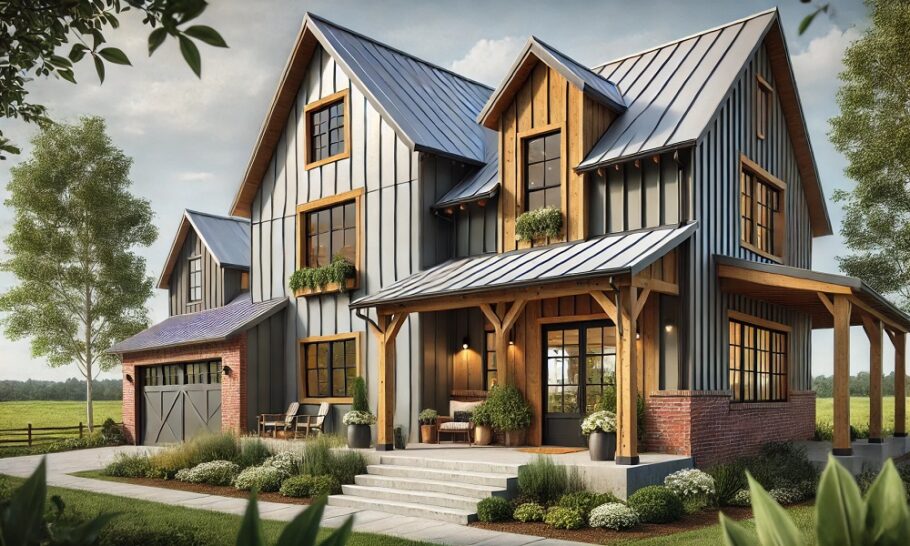
Barndominiums have become one of the most creative housing styles of modern living. Combining the structural efficiency of a barn with the comfort of a custom home, barndominiums offer wide-open interiors, high ceilings, and unmatched flexibility in layout. One of the most exciting design strategies within this architectural style is the use of different levels for sleeping, sitting, and working areas. By breaking up the interior into multiple elevations, homeowners can create visual interest, improve functionality, and achieve a natural flow between daily activities.
This blog explores how to design a multi-level barndominium that separates sleeping, sitting, and working zones without sacrificing openness or comfort.
Why Different Levels Work So Well in Barndominiums
The large, uninterrupted interior spaces of barndominiums make them ideal for split-level or tiered layouts. Unlike traditional homes that rely on walls and hallways for separation, barndominiums can use changes in floor height to define purpose while maintaining a connected feel.
Different levels help:
Define zones without closing them off
Improve sound separation between living and sleeping areas
Create visual depth and architectural character
Maximize the use of vertical space
Allow better organization of daily life
Instead of boxing rooms into corners, level changes naturally guide how a space is used.
Designing the Sleeping Area on a Raised or Lowered Level
Sleeping areas benefit greatly from level separation because it creates a sense of privacy even in an open-concept layout.
A popular option is to place the bedroom on a raised platform. This elevates the sleeping area visually and physically, giving it a calm, retreat-like feel. Steps leading to the bed area act as a psychological transition from busy daytime activities to rest.
Another option is a sunken sleeping area, where the bedroom sits slightly below the main floor. This works especially well in barndominiums with tall ceilings, as it creates an intimate, quiet space without feeling cramped. Sunken areas can also help block out light and noise from the rest of the home.
Loft-style sleeping spaces are also highly effective. A partial-height upper floor or mezzanine can serve as a sleeping zone while leaving the ground level open for living and working. This approach is perfect for smaller barndominiums where floor space is limited but vertical height is abundant.
Careful planning should include:
Comfortable stair or ladder access
Safety railings for lofts
Proper ventilation and temperature control
Lighting that feels relaxing, not harsh
The goal is to make the sleeping level feel distinct, peaceful, and secure.
Creating a Central Sitting Area on the Main Level
The sitting or living area usually works best at the core of the home. This is where family members gather, watch TV, entertain guests, or simply relax.
Keeping the sitting area on the main level makes it feel accessible and welcoming. From this central space, you can visually connect to the raised or lowered sleeping and working zones. This creates a layered, dynamic view across the interior, which is one of the most appealing aspects of a multi-level barndominium.
To enhance the sitting area’s role as the social hub:
Use higher ceilings directly over the living space
Incorporate large windows to bring in natural light
Add statement lighting fixtures to anchor the space
Use area rugs and furniture placement to define the layout
Because the sitting area sits between work and rest zones, it acts as a natural transition space that helps balance productivity and relaxation.
Designing a Productive Work Area on a Separate Level
Working from home has become a standard lifestyle, and barndominiums are perfectly suited for personalized workspaces. A separate level for working helps maintain focus and reduce distractions from household activity.
A raised work platform is ideal if you want better visibility over the rest of the home. This is great for creative professionals, designers, or anyone who enjoys an open, inspiring view while working.
A sunken office area works well if you need quiet and concentration. Lowering the workspace helps block visual distractions and creates a more enclosed, library-like atmosphere while still remaining open.
For those who want complete separation, a half-level between the main floor and a lofted bedroom can serve as an office. This “in-between” level creates a dedicated professional zone that doesn’t interfere with relaxation or social time.
Important design features include:
Plenty of electrical outlets and data connections
Sound-dampening wall panels or flooring
Ergonomic desk and chair placement
Proper task lighting
This type of level-based separation improves work-life balance without needing solid walls or doors.
Using Materials and Lighting to Reinforce Level Changes
The effectiveness of a multi-level barndominium doesn’t rely only on floor height differences. Materials and lighting play a huge role in defining how each level feels and functions.
You can visually distinguish each level by changing flooring materials. For example:
Hardwood or polished concrete in sitting areas
Soft carpet or cork flooring in sleeping zones
Durable vinyl or engineered wood in workspaces
Ceiling treatments also help. Lower ceilings over sleeping areas make them feel cozy, while taller ceilings above the sitting area enhance openness.
Lighting should be layered and purposeful. Warm lighting works best for sleeping areas, neutral ambient lighting suits sitting zones, and bright task lighting is essential for work levels.
Together, these choices make each level feel intentional and distinct, even without walls.
Smart Storage Solutions for Multi-Level Living
One of the biggest advantages of designing different levels is the storage potential they create. Platforms and stairs can hide drawers, cabinets, or even small closets.
Examples include:
Storage drawers built into stair risers
Pull-out cabinets beneath raised sleeping platforms
Bookshelves integrated into half walls
Hidden storage behind stepped seating
These features keep the overall space looking clean and uncluttered, which is essential for open-concept living.
Safety and Accessibility Considerations
While multi-level designs are visually appealing, they must be safe and practical. Barndominiums often serve as long-term homes, so accessibility matters.
Design with:
Wide, stable steps instead of steep ladders when possible
Handrails for elevated areas
Non-slip flooring on stairs and platforms
Rounded step edges to prevent injuries
For families with children or elderly residents, partial-height railings and gentle step heights provide peace of mind without ruining the open feel of the home.
Adapting Different Levels to Various Barndominium Sizes
Multi-level concepts aren’t only for large barndominiums. They can be scaled to fit almost any footprint.
In smaller barndominiums, even a single raised platform can separate sleeping from living space. Compact lofts work well for beds, while the main floor handles sitting and working.
In medium-sized designs, split levels allow a clear division between work and rest, while keeping the living area central.
In large barndominiums, dramatic level changes, wide staircases, and expansive loft spaces can create a truly architectural interior that feels more like a modern studio than a traditional home.
The key is proportional design so the levels feel natural and not forced.
Emotional and Psychological Benefits of Different Levels
Living in a multi-level barndominium isn’t just about aesthetics. It directly affects how people feel and function in their homes.
Raised sleeping areas create a sense of personal retreat.
Sunken seating areas feel grounded and relaxing.
Elevated workspaces feel empowering and focused.
These subtle emotional cues help structure the day naturally, guiding users from rest to social activity to productive work without mental strain.
Conclusion
Creating different levels in a barndominium for sleeping, sitting, and working is a powerful way to transform a large, open space into a highly functional and beautiful home. Instead of relying on traditional walls, level changes define purpose, improve flow, and enhance daily living.
By carefully planning sleeping platforms, central sitting areas, and dedicated work zones, you can design a barndominium that feels organized, inspiring, and comfortable. When combined with thoughtful lighting, materials, and storage, a multi-level layout becomes more than just a design choice—it becomes a lifestyle upgrade.
A well-designed tiered barndominium doesn’t just look impressive; it supports better rest, deeper focus, and more meaningful relaxation every single day.